





Why Summer Makes Us So Tired
Summer exhaustion, often called ‘summer fatigue’, is more than just feeling a bit hot and bothered. The intense heat forces your body to work overtime to maintain its core temperature, a process called thermoregulation. This expends a significant amount
of energy. Furthermore, we lose vital fluids and electrolytes through sweat, leading to dehydration, which is a primary cause of lethargy and headaches. The digestive system can also become sluggish in the heat, as the body diverts blood flow towards the skin to cool down, leaving less for digestion. This can result in bloating and a feeling of heaviness, adding to the overall sense of exhaustion.
Ginger: A Potent Root for Relief
Ginger, or 'adrak', is a cornerstone of traditional Indian medicine and cuisine for good reason. It contains powerful bioactive compounds like gingerol, which give it its characteristic flavour and medicinal properties. Ginger is renowned as a potent anti-inflammatory and antioxidant. For summer exhaustion, its most valuable benefit is its effect on digestion. It stimulates 'agni', or the digestive fire in Ayurvedic terms, helping to break down food more efficiently and prevent the sluggishness and bloating that heat can cause. Improved digestion means your body can better absorb nutrients, giving you more sustained energy. Furthermore, ginger is a diaphoretic, meaning it can promote gentle sweating, which is the body's natural cooling mechanism.
The Paradox: Why Warm, Not Cold?
Drinking a warm beverage on a hot day seems counterintuitive, but there is wisdom behind it. When you drink an ice-cold beverage, it provides immediate but temporary relief. Your body then has to work harder to warm that cold liquid up to your core temperature, expending energy in the process. Some experts suggest this can cause blood vessels in the stomach to constrict, further slowing digestion. In contrast, a warm drink is closer to your body's internal temperature. It doesn't shock the system. More importantly, it can trigger receptors in your mouth and throat that tell your brain to initiate a cooling response—sweating. As the sweat evaporates from your skin, you cool down more effectively and sustainably than you would from the temporary chill of a cold drink.
How to Prepare Your Ginger Water
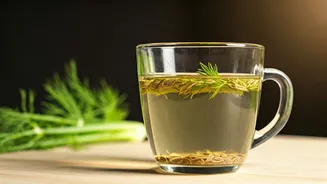
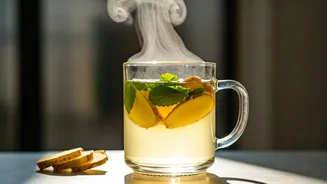
Making this revitalising drink is incredibly simple. You don’t need a complicated recipe, just fresh ingredients. **Ingredients:** - 1-inch piece of fresh ginger - 4 cups of water - Optional: a squeeze of lemon juice, a teaspoon of honey, or a pinch of black salt ('kala namak') for extra electrolytes. **Instructions:** 1. Wash and peel the ginger root. Grate it or slice it into thin coins. Grating releases more of the active compounds. 2. Bring the water to a boil in a saucepan. 3. Add the ginger to the boiling water, reduce the heat, and let it simmer for 10-15 minutes. The longer it simmers, the spicier and more potent it will be. 4. Strain the water into a mug or a thermos. 5. If desired, add a squeeze of fresh lemon juice for a boost of Vitamin C and honey for sweetness once the water has cooled slightly (adding honey to boiling water can reduce its benefits). A pinch of black salt can help replenish lost electrolytes.
Best Practices and Precautions
To get the most out of your ginger water, consider drinking a cup in the morning to kick-start your digestion and metabolism for the day. It’s also an excellent post-lunch beverage to prevent that afternoon slump. While ginger water is generally safe for most people, moderation is key. Consuming it in large quantities could potentially lead to mild heartburn or stomach discomfort. Individuals with specific medical conditions, such as bleeding disorders, or those on blood-thinning medication, should consult their doctor before adding ginger regularly to their diet. Pregnant women should also seek medical advice before consuming ginger in large amounts.