








Beyond Digital Flashcards
For years, educational apps have promised to help children learn. But most have been little more than digital versions of flashcards or simple multiple-choice quizzes. They follow a static path, unable to distinguish between a child who is excelling and
one who is struggling. Smart AI reading companions are fundamentally different. These aren't just pre-programmed games; they are dynamic tutors powered by artificial intelligence. Using a device's microphone, they 'listen' to a child read aloud, functioning as a patient, one-on-one guide that provides real-time feedback and support. This moves beyond simple right-or-wrong answers to a nuanced understanding of a child's reading ability.
How the AI ‘Listens’
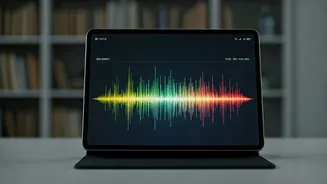
The core technology behind these companions is advanced speech recognition, specifically trained on the nuances of children's voices. Unlike standard voice assistants, these AI models are designed to understand a wide range of accents, speech impediments, and the common mispronunciations young learners make. The AI analyses several data points simultaneously: fluency (words per minute), accuracy (correctly pronounced words), and prosody (the rhythm and intonation of speech). It can detect when a child hesitates, skips a word, self-corrects, or struggles with a specific phonetic sound. This granular level of analysis is what allows the platform to build a detailed, evolving profile of the student's reading skills.
The Adaptive Learning Engine
This is where the 'smart' aspect truly comes alive. The data collected during a reading session feeds into an adaptive learning engine. If the AI detects a student is breezing through a text with high accuracy, it will subtly increase the complexity of the next story, introducing more challenging vocabulary or longer sentence structures. Conversely, if a student is struggling, the system can intervene in several ways. It might slow down the pace, offer a phonetic breakdown of a difficult word, or even switch to a simpler text to build confidence. This constant, micro-level adjustment ensures that the student is always operating in their 'zone of proximal development'—a state where the material is challenging enough to encourage growth but not so difficult that it leads to frustration. This personalisation, matching the material precisely to the student's progress, is something nearly impossible to achieve at scale in a traditional classroom.
A Personal Tutor for Every Child
The primary benefit is delivering personalised instruction at scale. In a class of 25 students, a teacher can't listen to every child read every day. An AI companion can. This provides consistent, non-judgmental practice, which can be particularly helpful for shy or anxious readers who are afraid of making mistakes in front of their peers. The immediate feedback helps reinforce correct reading habits and quickly addresses errors before they become ingrained. By providing a safe space to practice and fail, these tools help build the confidence and resilience essential for developing literacy.
More Than a Tool for Students
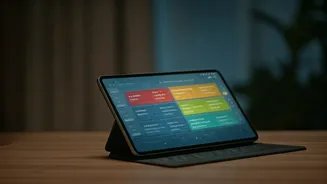
While students are the primary users, these AI companions are also powerful tools for educators. Instead of anecdotal notes, teachers receive detailed, data-driven reports on each student's progress. Dashboards can highlight which specific phonetic skills a child is struggling with, track their fluency over time, and flag potential learning difficulties like dyslexia far earlier than traditional methods might. This allows teachers to move from whole-class instruction to targeted, small-group interventions. By automating the time-consuming task of assessment, the AI frees up teachers to focus on what they do best: fostering a love of reading, leading discussions, and providing the human connection that technology cannot replicate.
Challenges and the Human Element
Despite the promise, this technology is not a panacea. Concerns around data privacy, especially involving children, are paramount. Schools and parents need clear assurances about how student data is stored, used, and protected. There is also the risk of over-reliance on technology, potentially reducing the rich, interactive experience of a parent or teacher reading with a child. Experts agree that these tools are most effective when used to augment, not replace, human instruction. The goal isn't to outsource teaching to an algorithm but to give teachers a 'superpower' that helps them better understand and support each individual learner in their classroom.