


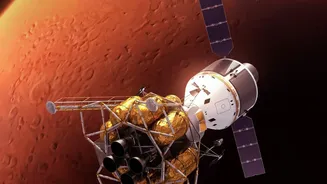

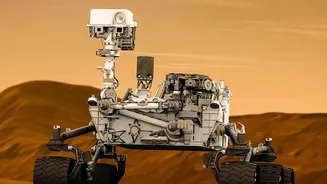
It is one of the most ambitious robotic missions ever conceived: bringing pieces of Mars back to Earth. But the high-stakes Mars Sample Return (MSR) program has faced major hurdles, until now. A new strategic pivot could get it back on track.
A Mission of Monumental Importance
For decades,
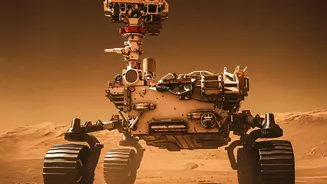
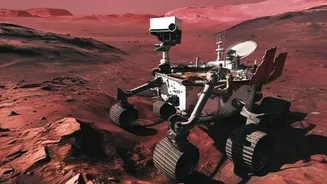
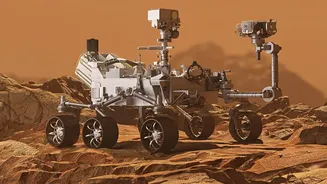
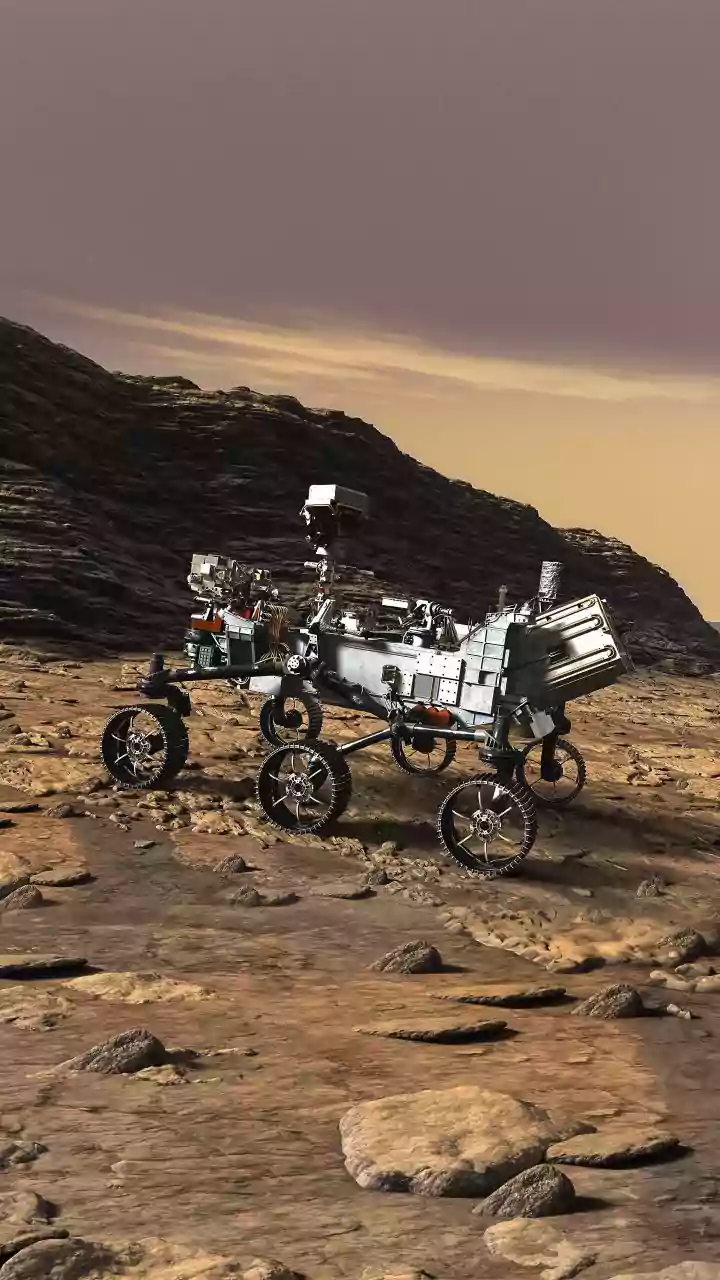
scientists have dreamed of analyzing pristine Martian rocks and soil in laboratories on Earth. The Perseverance rover, which has been diligently collecting samples in Mars' Jezero Crater since 2021, is the first step in that dream. These samples could unlock secrets about the Red Planet's geological history, its past climate, and the ultimate question: did life ever exist there? Studying these samples on Earth would allow for far more detailed analysis than any instrument a rover could carry. It is considered the highest-priority planetary science mission by the National Academies and a crucial step before sending human astronauts, as it can help identify potential hazards in the Martian dust.
An Ambitious Plan Hits Reality
The original plan for MSR was a complex, multi-spacecraft ballet involving NASA and the European Space Agency (ESA). It involved a lander, a fetch rover to grab the samples, and a sophisticated ascent vehicle to launch them into Mars orbit for another spacecraft to capture and return to Earth. However, an independent review in 2023 delivered a stark assessment: the mission, as designed, was facing an unrealistic budget and schedule. Costs were projected to balloon to as much as $11 billion, with a return date slipping to 2040, a timeline NASA Administrator Bill Nelson called 'unacceptably too long'. This 'sticker shock' forced the agency back to the drawing board, acknowledging the original plan was no longer credible.
A Fresh Start for a Vital Mission
In response to the review, NASA has initiated a new effort to redefine the mission's architecture. Announced in early November 2026, the 'Perseverance Sample Retrieval Architecture' (PSRA) aims to develop a new, more feasible strategy. This isn't about scrapping the mission but about finding a smarter, more efficient way to achieve its groundbreaking goals. The new approach involves creating impartial recommendations, reviewing past lessons, and evaluating current capabilities to forge a new path forward. This includes potentially leveraging competition and innovation by developing two landing architectures in parallel during the planning phase, with a final selection expected in the latter half of 2026. The goal is to significantly reduce costs and shorten the schedule compared to the previous plan.
Competition Heats Up
Part of the pressure on NASA to find a workable plan comes from overseas. China is moving forward with its own ambitious Mars sample return mission, Tianwen-3. The Chinese mission is aiming for a 2028 launch and could return samples to Earth as early as 2031. While its approach is different, likely a simpler 'grab and go' collection from a single site, its aggressive timeline adds a new sense of urgency to NASA's efforts. This international competition, reminiscent of earlier space races, underscores the scientific and geopolitical importance of being the first to bring back pieces of the Red Planet since the Apollo missions brought back moon rocks.
The Path Forward
The new PSRA strategy team is scheduled to kick off its work in January 2027, with a final report expected by the winter of 2027-2028. This report will lay out the recommended new architecture for bringing Perseverance's precious cargo home. NASA is soliciting 'out-of-the-box' ideas from its own teams and private industry to find innovative solutions. One proposal from Lockheed Martin, for example, suggests using existing, flight-proven spacecraft designs to deliver the mission for a fraction of the previously estimated cost. While the challenges remain immense—including the first-ever launch from the surface of another planet—this strategic reset signals NASA's unwavering commitment to one of the most important scientific quests of our time.