




From Monuments to Mountains
There’s a clear shift happening in how young people in India approach travel. The generation of millennials and Gen Z is increasingly trading packaged tours for experiences that challenge them physically and mentally. This isn't just about escaping routine;
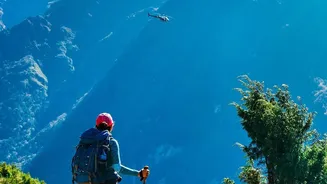
it's about personal growth, authenticity, and collecting experiences over souvenirs. The definition of adventure itself has broadened. While it once meant strenuous Himalayan treks, today it includes everything from forest bathing and village walks to learning new skills like surfing. Experts note the trend has moved from a focus on 'adrenaline to authenticity' and from 'risk to well-being', with travellers seeking connection and mindfulness. This pivot towards experiential travel is significant, with projections suggesting the market in India could reach USD 45 billion by 2027, driven largely by travellers aged 18-35.
The New Indian Bucket List
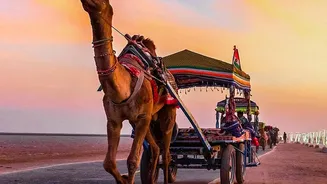
So, what does this new adventure look like? The options are as diverse as India's geography. The rapids of the Ganga in Rishikesh have become a hotspot for white-water rafting, while the clear waters of the Andaman Islands are a major draw for scuba diving and snorkelling. Bir Billing in Himachal Pradesh has earned the title of the 'Paragliding Capital of India', offering breathtaking aerial views of the Dhauladhar range. For those seeking a different kind of thrill, activities like bungee jumping in Rishikesh, skiing in Auli, desert safaris in Jaisalmer, and even caving in Meghalaya are rapidly gaining popularity among the youth. This isn't limited to domestic travel; young Indians are also booking international adventures like treks in Europe and safaris in Africa.
The Social Media Effect
This travel transformation is being powerfully shaped by the digital world. Platforms like Instagram and YouTube have become the primary sources of travel inspiration for young Indians. Visually driven storytelling, posts from travel influencers, and user-generated content like Reels and vlogs create a sense of 'fear of missing out' (FOMO) and a desire to visit new, often offbeat, places. Studies show that a majority of young travellers in India begin their research online, trusting content from peers and influencers more than traditional advertising. In fact, a significant percentage have booked a trip after seeing it promoted by a social media influencer, highlighting the persuasive power of authentic, visual narratives in shaping travel decisions.
A Shift in Travel Mindset
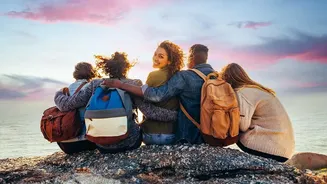
Beyond the adrenaline rush, this trend signals a deeper change in values. Young travellers are prioritising authenticity and connection. They prefer shorter, more frequent trips over one long annual holiday, a style that fits better with demanding work or study schedules. A recent report found that seven in ten Gen Z travellers would rather take three short trips than one long one. This generation seeks personal and unique journeys that reflect their identity, often leaving parts of their itinerary unplanned for spontaneous exploration. The focus is on immersive experiences—engaging with local communities, exploring culinary scenes, and practicing sustainable tourism—rather than simply checking destinations off a list.