

An Invisible Threat from the Sun
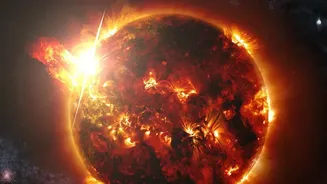
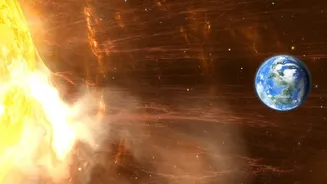
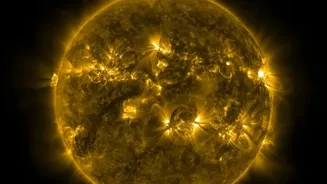
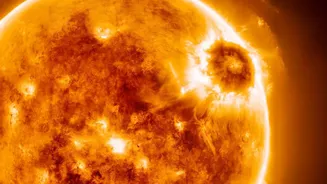
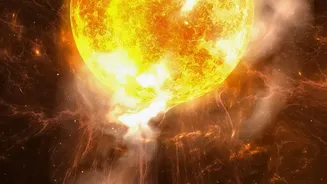
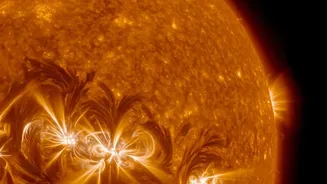
The danger begins 93 million miles away with a coronal mass ejection, or CME. This is a colossal eruption from the sun's surface, launching a cloud of magnetised plasma—billions of tons of solar particles—into space at speeds that can exceed millions
of miles per hour. While many CMEs miss our planet entirely, those that are Earth-directed can trigger a geomagnetic storm. Think of it less like a traditional storm and more like a massive, invisible wave of electromagnetic energy washing over our planet one to three days after the initial eruption on the sun. We are currently in Solar Cycle 25, which is predicted to reach its peak activity, making the study of these events more crucial than ever.
From Sun to Socket: The Danger
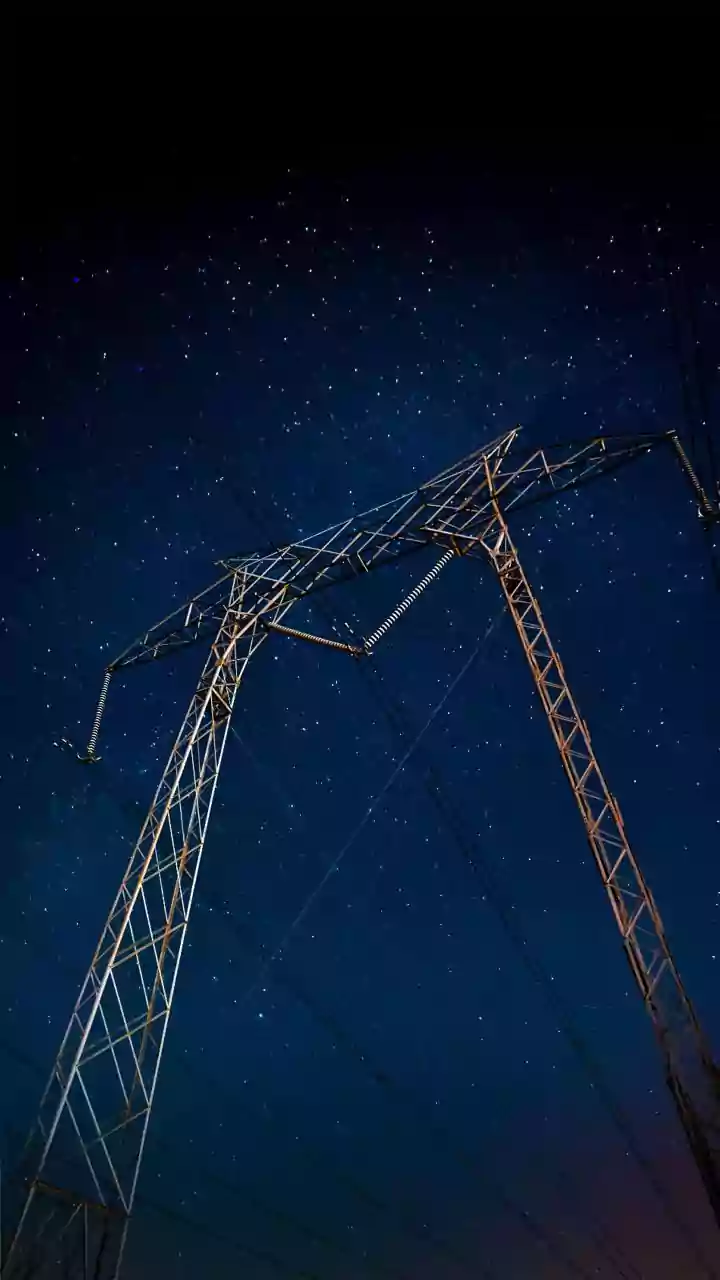
When a CME collides with Earth’s protective magnetic field, it causes the field to vibrate and stretch. This interaction induces powerful, low-frequency electrical currents in the Earth's crust known as geomagnetically induced currents, or GICs. These currents seek the path of least resistance, which often means flowing into and through our long-distance power lines and pipelines. The problem is that our electrical grid is built for high-voltage alternating current (AC), while GICs behave more like direct current (DC). When this rogue DC flows into the massive transformers that are the backbone of the grid, it can cause them to saturate, overheat, and consume massive amounts of reactive power. This can lead to voltage instability, equipment damage, and in the worst-case scenario, a widespread blackout. The 1989 solar storm that plunged Quebec, Canada, into darkness for nine hours is a stark reminder of this vulnerability.
A Digital Shield Against the Storm
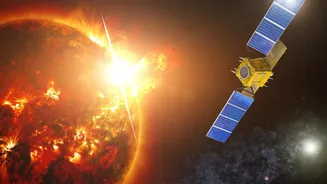
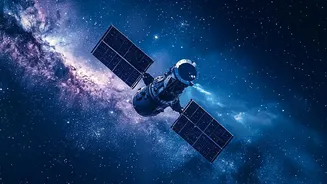
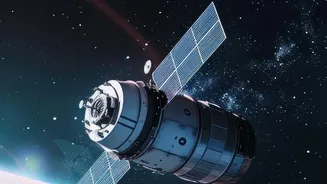
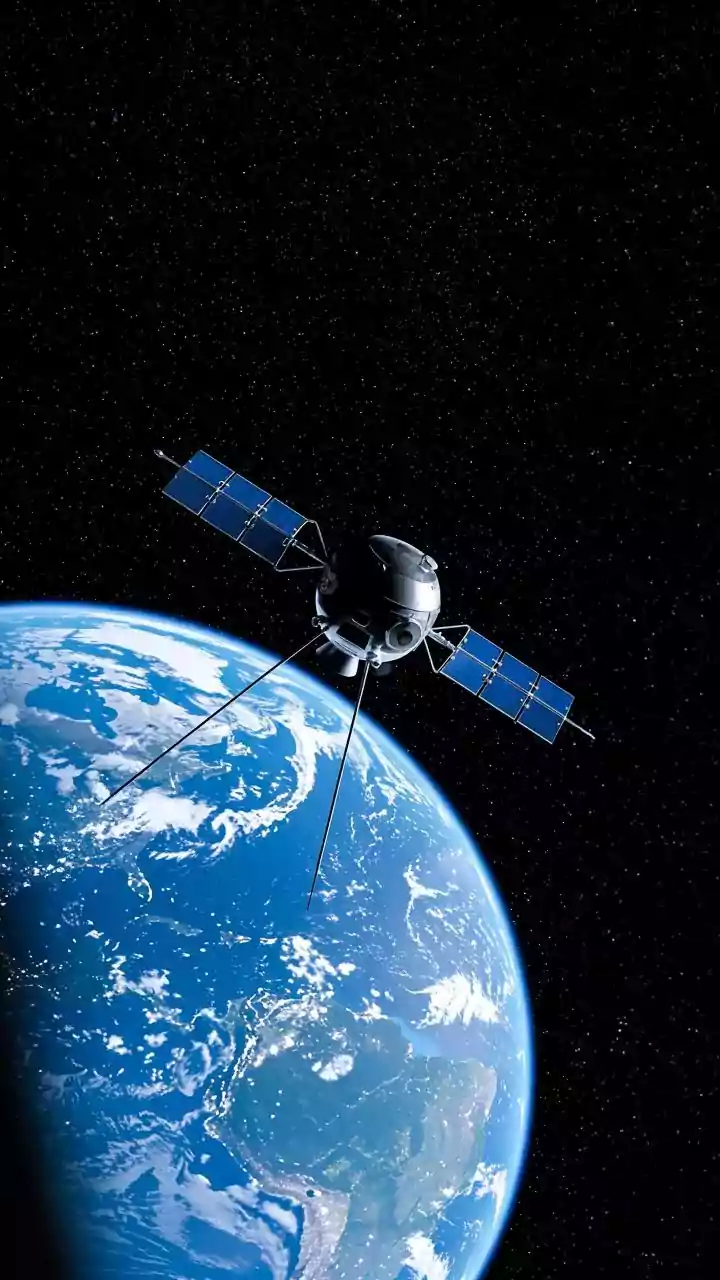
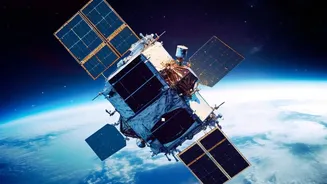
This is where modern impact models come into play. These are not simple forecasts; they are complex computational systems that act as a digital shield for the grid. Satellites and observatories, like those managed by NOAA's Space Weather Prediction Center (SWPC), constantly monitor the sun. When a CME is detected, data on its size, speed, and magnetic orientation is fed into these models. For instance, recent tests using data from NASA's PUNCH mission have shown a remarkable increase in forecast accuracy, predicting a CME's arrival time to within 30 minutes—a tenfold improvement on older methods. These models simulate how the incoming solar storm will interact with Earth’s magnetic field and, crucially, predict the specific locations and intensity of the resulting GICs on the ground.
Turning Prediction into Protection
With a warning of several hours or even days, power utility managers are no longer flying blind. Armed with detailed GIC forecasts, they can take proactive, targeted measures to protect the grid. If models predict strong GICs in a specific region, operators can preemptively reduce the load on vulnerable transformers, reroute power flows across the network to less affected areas, or temporarily postpone scheduled maintenance to ensure the system is at maximum stability. In some cases, utilities are installing physical hardware like neutral blocking devices, which act as a firewall to stop GICs from entering a transformer in the first place. These actions significantly reduce the risk of transformers overheating or protective relays tripping unnecessarily, which could otherwise trigger a cascading failure across the system.