



Decoding Your Coffee Order
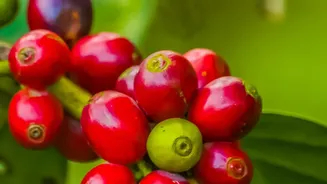
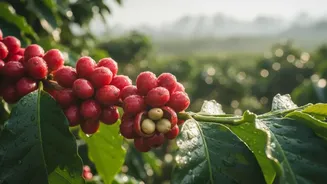
Before we travel to the misty hills of Karnataka, let's clarify the terms. 'Single-origin' means the coffee comes from a specific, known geographical location, often a single farm or cooperative. This traceability is key. 'Arabica' is a species of coffee known for its
nuanced, aromatic flavours, and it naturally evolved to grow in the shade. 'Specialty coffee' refers to the highest grade of beans, judged on flavour, aroma, and lack of defects. It’s a label reserved for quality, not quantity. When you combine these three, you get a traceable, high-quality coffee that tells the story of where it came from.
The Living Forests of Coorg and Chikmagalur
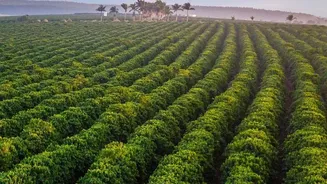
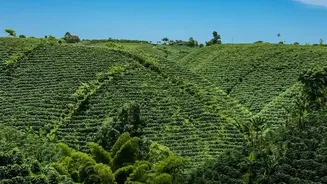
Coorg (Kodagu) and Chikmagalur are not just districts in Karnataka; they are the heartland of Indian coffee, nestled in the Western Ghats, a global biodiversity hotspot. Unlike the vast, sun-drenched fields you might picture, traditional coffee farming here is a form of agroforestry. Coffee plants are grown under a dense canopy of native trees like silver oak, fig, and jackfruit. These estates are less like farms and more like managed forests, where coffee bushes are just one layer of a complex, thriving ecosystem that is also inter-planted with spices like pepper, cardamom, and vanilla.
Shade-Grown: A Haven for Biodiversity
This method of shade-growing is crucial. The forest canopy becomes a sanctuary for wildlife. Studies have shown that coffee agroforests in the Western Ghats can support over 200 species of birds, including endangered ones like the Nilgiri wood pigeon. These birds, in turn, act as natural pest controllers, reducing the need for chemical pesticides that are heavily used in sun-grown monocultures. The rich leaf litter from the canopy trees enriches the soil, while the extensive root systems prevent soil erosion on the steep hillsides, a critical service during heavy monsoon rains. In short, the forest that shelters the coffee also protects itself.
The Economic Connection to Eco-Friendly Practices
So, how does buying this coffee support these practices? It comes down to simple economics. Sun-grown coffee, which involves clearing forests for high-density planting, produces a higher yield but often of a lower quality. This model pushes farmers to prioritize volume over environmental health. In contrast, shade-grown Arabica matures more slowly, developing complex, desirable flavours that qualify it as 'specialty'. Coffee connoisseurs and specialty roasters are willing to pay a premium for these unique, high-quality beans. This higher price provides farmers with the financial incentive to maintain their traditional, lower-yield but more sustainable agroforestry systems. It makes preserving the forest canopy economically viable, allowing them to earn a better living without stripping the land. Direct trade models, often associated with single-origin specialty coffee, can further empower farmers by ensuring they receive a fairer share of the final price.
Water Conservation and Soil Health
The benefits extend to water, a precious resource. The multi-layered canopy of a shade-grown estate acts like a giant sponge, helping to capture and retain rainwater. This gradual release replenishes groundwater and feeds rivers like the Cauvery, which originates in Kodagu and is a lifeline for millions. Many estates in Coorg are also actively implementing water harvesting techniques to manage this vital resource responsibly. Furthermore, the constant supply of organic matter from falling leaves creates rich, healthy soil, reducing the reliance on synthetic fertilizers that can pollute waterways. Some farms are even converting coffee pulp waste into natural compost, creating a closed-loop system that nurtures the land.