





Tyres: Your Only Grip on Reality
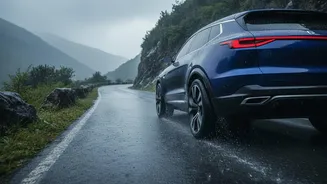
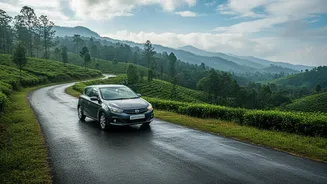
On a wet, twisting mountain road, your tyres are the single most critical safety component. The primary job of tyre tread is to channel water away from the contact patch, preventing a dangerous loss of traction known as hydroplaning. When tyres are worn,
they can't clear water effectively, increasing the risk of sliding, especially on curves. Before any trip, check your tread depth; experts recommend at least 4/32 of an inch for wet conditions. Also, ensure your tyre pressure is set to the manufacturer's recommendation. Incorrect pressure affects handling on steep grades and can lead to uneven wear, compromising the very grip you need most when navigating a slick, winding descent.
Brakes: The Unsung Hero of Descents
Mountain driving is a true test for your braking system. Long, steep descents require constant braking, which generates a tremendous amount of heat. If your brake pads are worn or your brake fluid is old and has absorbed moisture, this heat can lead to a terrifying condition called brake fade, where the brakes become less effective or fail entirely. Wet conditions can also make braking more challenging. A pre-trip check should involve inspecting your brake pads for wear and ensuring your brake fluid is at the correct level and has been changed according to your vehicle's service schedule. This simple check ensures your car can safely handle the demands of repeated downhill braking.
Visibility: Seeing Through the Downpour
You can't avoid what you can't see. In a mountain downpour, visibility can drop to near zero in seconds. Your first line of defence is a pristine set of wiper blades. Old, cracked, or hardened wipers will smear water across the windshield instead of clearing it, creating dangerous streaks and glare. Before you leave, replace any worn blades and top up your windshield washer fluid with a solution designed to repel rain. Also, test your car's defogger and air conditioning systems. Humidity can cause the inside of your windows to fog up rapidly, and a functioning A/C system is the quickest way to clear it and maintain a clear view of the road ahead.
Engine & Fluids: The Heart of the Climb
Climbing steep mountain passes forces your engine to work much harder than it does on flat ground, which generates excess heat. Your car's cooling system, filled with antifreeze or coolant, is responsible for preventing the engine from overheating. Before your trip, check the coolant level in the reservoir and look for any signs of leaks. Low coolant is a primary cause of roadside breakdowns on mountain roads. Similarly, ensure your engine oil and transmission fluid are clean and at the proper levels. These fluids lubricate and cool critical components that are under increased strain during a climb.
Electrical System: Powering Through the Elements
Rain and moisture are the enemies of a car's electrical system. Water can seep into worn seals or find its way into the engine bay, causing short circuits, corroding battery terminals, and affecting sensors for critical systems like your ABS and traction control. An older battery may work fine in dry weather but fail to start the car in damp conditions. Likewise, moisture can cause problems with ignition components like spark plugs and distributor caps, leading to a rough-running engine or a complete failure to start, especially when the vehicle is under load, like going uphill. A quick inspection of your battery terminals for corrosion and a check of your car’s seals can prevent a frustrating electrical gremlin from stranding you miles from help.