





The Three Faces of Methi
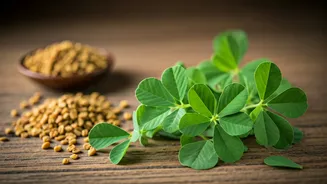
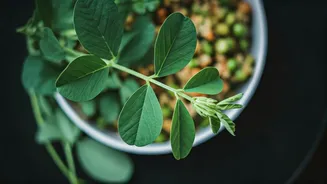
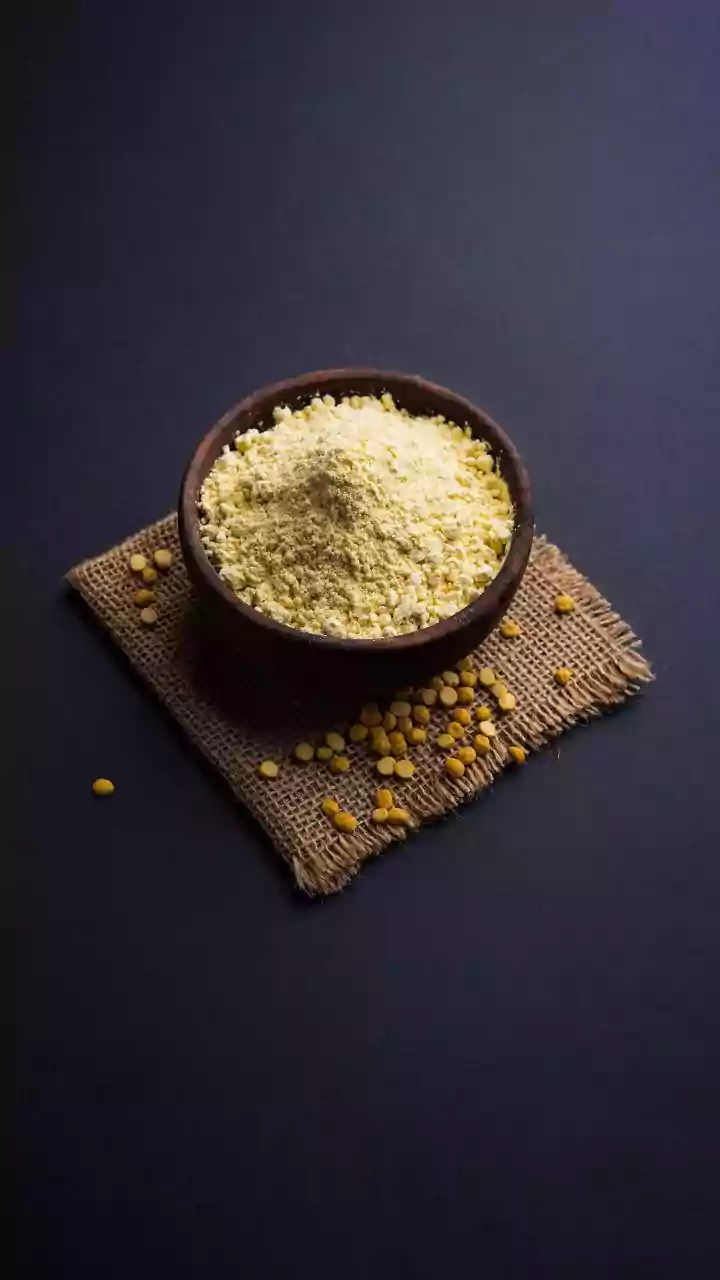
Methi is a versatile plant from the Fabaceae family, and it's used in three primary forms in the kitchen: fresh leaves, dried leaves (kasuri methi), and seeds. Each form offers a distinct flavour profile and culinary application. Fresh methi leaves are
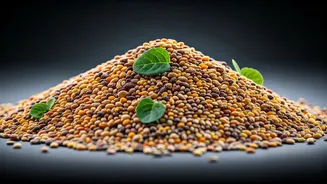
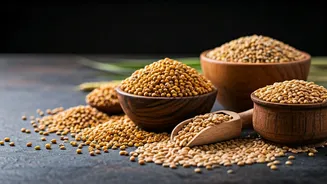
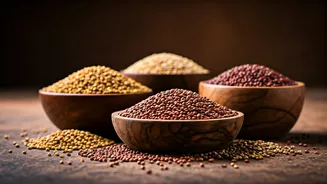
used like any other leafy green, offering a slightly bitter and earthy taste similar to a mix of celery and fennel. The seeds are hard, yellowish, and cuboid, known for their potent, bittersweet flavour. Dried kasuri methi, perhaps the most aromatic of the three, provides a smoky, earthy, and deep savoury note that mellows upon cooking. Understanding the differences is key to unlocking their potential to make healthy food more appealing.
The Flavor Magic: From Bitter to Better
The secret to methi's power lies in its complex flavour, which is often described as a combination of bitter and sweet, with a characteristic aroma reminiscent of maple syrup or burnt sugar. This unique profile is due to a chemical called sotolon. While bitterness might sound unappealing, in cooking, it's a tool for creating balance. Methi's bitterness can cut through the richness of creamy dishes, balance the sweetness of tomatoes, and add a layer of complexity to otherwise simple preparations like dals and vegetable stir-fries. When used correctly—often by toasting the seeds or crushing the dried leaves—the bitterness subsides, revealing a warm, nutty, and almost caramel-like undertone.
Liven Up Vegetables and Lentils
One of the biggest challenges in healthy eating is making everyday vegetables and lentils exciting. This is where methi shines. A handful of fresh, chopped methi leaves can be wilted into a simple dal at the end of cooking, instantly adding a fresh, herbaceous layer of flavour. For a quick vegetable stir-fry with potatoes (aloo methi), carrots, or cauliflower, fresh leaves add depth that salt and pepper alone cannot achieve. Kasuri methi is a game-changer for gravies and curries; crushing the leaves between your palms and sprinkling them over a finished paneer or vegetable curry releases an irresistible aroma and adds a professional touch. Even a simple bowl of yoghurt can be transformed into a flavourful dip with a pinch of kasuri methi.
Upgrade Your Breads and Grains
Healthy, whole-grain breads and rice dishes can sometimes feel dense or one-dimensional. Incorporating methi is an easy way to infuse them with flavour from the inside out. Kneading chopped fresh methi or crushed kasuri methi into the dough for rotis, theplas, or parathas makes the bread itself a flavourful component of the meal, not just a vehicle for curry. Even a simple pot of rice or pulao can be elevated by tempering a few whole methi seeds in oil at the start or by stirring in fresh leaves along with other vegetables. The aromatic and savoury notes make these staples more enjoyable on their own.
Mastering the Seeds
Fenugreek seeds are the most potent form and require a bit more care to avoid overpowering a dish with bitterness. The key is to mellow them out. Dry roasting the seeds in a pan over medium heat until they darken slightly and release a nutty aroma is a common technique to reduce their bitter edge. Another method is to temper them in hot oil or ghee along with other spices like cumin and mustard seeds at the beginning of cooking a dal or curry. The heat and fat soften the bitterness and infuse the oil with their warm, maple-like flavour. Remember, a small amount goes a long way.
More Than Just Taste
Beyond its culinary magic, methi is packed with nutrients. The seeds are a good source of fiber, protein, iron, and magnesium. Traditionally, fenugreek has been used in various forms of natural medicine, with studies exploring its potential benefits for blood sugar regulation, digestion, and lowering cholesterol. While the leaves are also nutritious, containing vitamins and minerals, their primary role in your kitchen will be as a flavour hero. Adding methi to your diet is a simple way to boost both the taste and the nutritional value of your healthy meals.