


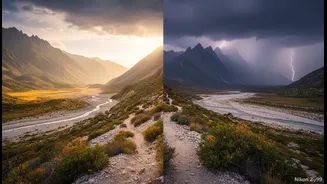


The Great Rain Shadow Escape
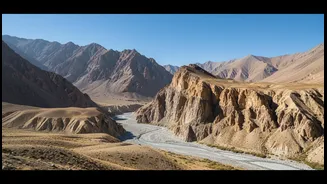
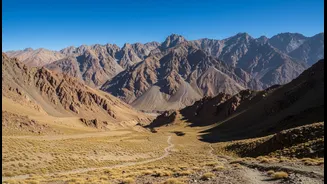
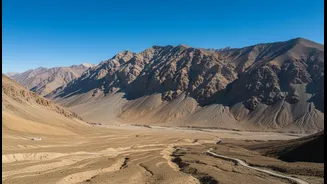
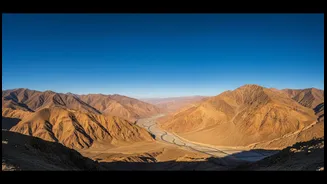
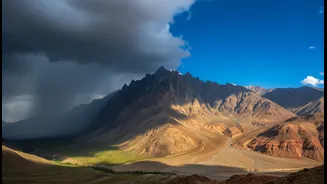
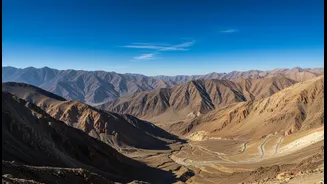
The primary reason for Ladakh's magnetic pull during the monsoon months is simple geography. Nestled in the mighty Himalayas, Ladakh is a rain-shadow region. This means the towering mountain ranges block the moisture-laden monsoon clouds that drench most
of the subcontinent from July to September. While popular hill stations in Himachal Pradesh and Uttarakhand grapple with landslides and washed-out roads, Ladakh offers pleasant, sunny days with minimal rainfall. This makes it a rare and reliable haven for those looking to trade grey skies and relentless downpours for predictable, adventure-friendly weather. The average temperature remains comfortable, ranging from 20°C to 25°C in the daytime, perfect for exploration.
An Adventure Seeker's Paradise
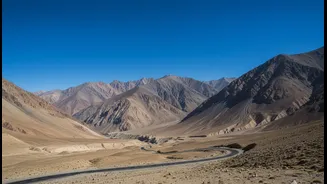
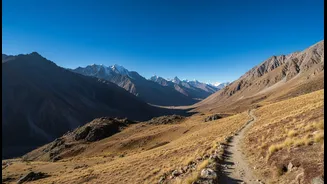
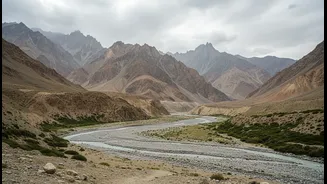
For young travellers, a vacation is often synonymous with adventure, and Ladakh delivers on an epic scale. The dry summer months are the best time for high-octane activities that are impossible elsewhere during the monsoon. Motorbiking across the world's highest motorable passes, like Khardung La, is a rite of passage. The challenging Manali-Leh and Srinagar-Leh highways, fully open during this period, offer a legendary road trip experience. The rivers, swollen with glacial meltwater, provide the perfect conditions for thrilling white-water rafting, especially on the Zanskar and Indus rivers. Trekking routes, such as the Markha Valley and Sham Valley treks, are also at their most accessible, offering breathtaking views of the stark, beautiful landscape.
Surreal Landscapes and a Thriving Social Scene
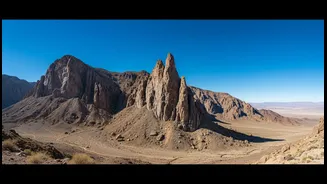
Beyond the adrenaline rush, Ladakh's otherworldly landscapes offer a visual feast that is particularly appealing to a generation fluent in social media. The fluorescent blue of Pangong Tso, the high-altitude sand dunes of Nubra Valley with its double-humped Bactrian camels, and the dramatic mountain-ringed Tso Moriri lake are just a few of the iconic sights. The capital, Leh, has a vibrant backpacker culture. Its charming lanes are filled with lively cafes serving everything from local thukpa to continental fare, bustling markets selling prayer flags and silver jewellery, and hostels that become melting pots for travellers from around the world. This creates a unique blend of solitude in nature and social connection in town.
A Unique Cultural Immersion
A trip to Ladakh is also a deep dive into a rich and serene culture. The landscape is dotted with ancient Buddhist monasteries (gompas) perched precariously on cliffsides, like Thiksey, Hemis, and Diskit. The sound of chanting monks, the sight of colourful prayer flags fluttering against a backdrop of barren mountains, and the profound sense of peace offer a stark contrast to the chaos of city life. Many young travellers are increasingly seeking more than just sightseeing; they are looking for meaningful experiences. Engaging with the gentle, welcoming local culture, trying traditional Ladakhi food, and even staying in village homestays provide an authentic connection that makes the journey more memorable.
Planning Your High-Altitude Getaway
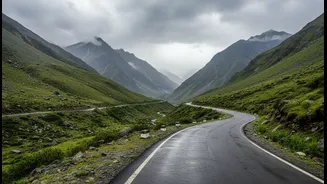
Given that July and August are peak season, planning is key. Flights to Leh's Kushok Bakula Rimpochee Airport should be booked well in advance. Travellers also need to factor in acclimatisation. Arriving in Leh at an altitude of over 11,000 feet requires at least a day or two of rest to prevent acute mountain sickness (AMS). Inner Line Permits are required for visiting areas like Nubra Valley, Pangong Tso, and Tso Moriri, but these are easily obtainable in Leh. While the weather is generally clear, road travel, especially on the highways leading to Ladakh, can occasionally be disrupted by rain in the lower altitudes, so it's wise to build some flexibility into your itinerary.