





Why Grow Your Own?
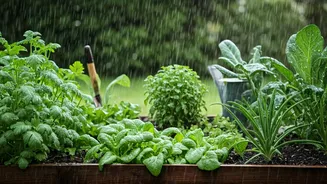
The allure of a balcony garden, especially during the rains, is about more than just aesthetics. For many urban dwellers, it's a response to concerns about food safety, pesticides, and the fluctuating quality of market vegetables during the monsoon. Leafy
greens, in particular, can be gritty and prone to spoilage after travelling through muddy markets. Growing your own offers a simple, powerful solution: absolute freshness and control over what goes into your food. Beyond the plate, gardening is a well-documented stress buster. The simple act of nurturing a plant from seed to harvest provides a tangible connection to nature, a welcome respite from the concrete and chaos of city life. It's a small patch of green that nourishes both body and soul.
Your Monsoon Starter Pack
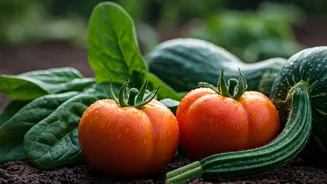
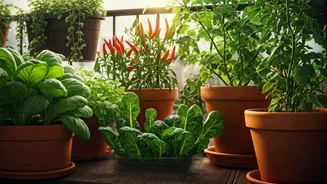
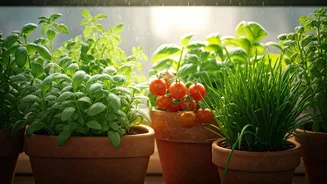
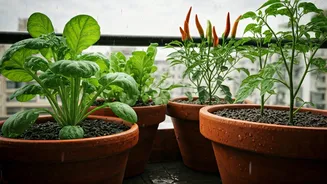
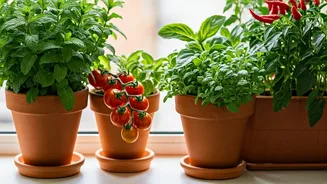
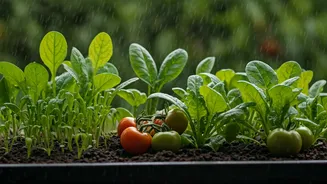
The monsoon is a fantastic growing season, with its high humidity and naturally available water. But not all plants love it equally. For beginners, it's best to start with hardy, fast-growing varieties that thrive in these conditions. Leafy greens are a top choice. Palak (spinach), dhaniya (coriander), and pudina (mint) grow quickly and can be harvested multiple times. Bhindi (okra) is another monsoon favourite that loves the humid weather. For those with a bit more sunlight, cherry tomatoes and chillies do exceptionally well in pots. Herbs like basil and lemongrass not only add flavour to your cooking but also act as natural pest repellents. Start with 3-4 types to avoid feeling overwhelmed.
Setting Up Your Green Corner
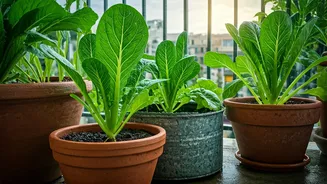
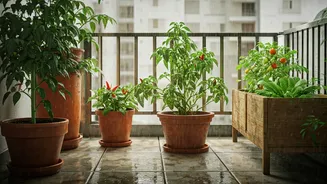
You don't need a sprawling terrace to start. A small balcony with a few hours of sunlight is enough. First, choose your containers. Terracotta pots are classic and breathable, but lightweight grow bags or even recycled plastic containers work well, provided they have drainage holes at the bottom—this is non-negotiable. Next, the soil. Avoid using garden soil directly as it compacts in pots and drains poorly. The ideal potting mix for containers is a balanced blend: one part red soil, one part cocopeat (to retain moisture), and one part compost or vermicompost (for nutrients). You can buy this pre-mixed or create your own. Place your pots in a spot that receives at least 4-5 hours of sunlight, which is crucial for most vegetable plants.
Monsoon-Specific Care
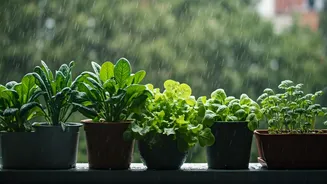
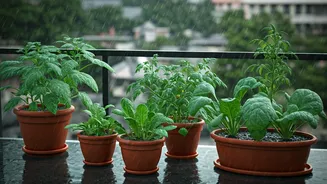
Gardening in the monsoon presents unique challenges, primarily related to water. While the rain is a blessing, too much can be a curse. Ensure every pot has excellent drainage to prevent waterlogging, which leads to root rot. If you anticipate several days of heavy, continuous rain, consider moving smaller pots under a covered area. The increased humidity also creates a welcoming environment for pests and fungal diseases. Inspect your plants regularly for signs of trouble, like spots on leaves or tiny insects. A simple, organic solution of neem oil mixed with water and a drop of liquid soap, sprayed every 10-15 days, can help keep most common pests at bay. Avoid over-watering; stick a finger into the soil—if it feels damp an inch down, wait another day.
The Joy of the Harvest
The true reward comes when you can snip fresh coriander for your dal or pluck a few chillies for a tadka, straight from your own balcony. The flavour of homegrown produce is often more intense and satisfying than anything you can buy. It's a journey that transforms your relationship with food, making you more mindful of the seasons and the effort that goes into growing what we eat. Harvesting your first crop, no matter how small, is a moment of pure joy and a delicious testament to your efforts. It turns your balcony into an extension of your kitchen, providing fresh ingredients that elevate everyday meals.