





What Exactly Is Modular Furniture?
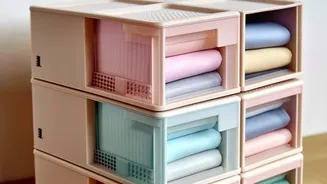
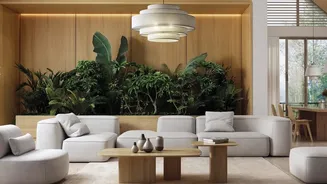
Think of it like building blocks for adults. Modular furniture consists of individual, independent units—or modules—that can be combined in various ways to create a larger piece. Unlike a traditional sofa or shelf that comes as one fixed unit, a modular
system can be rearranged, expanded, or downsized. A modular sofa, for example, might be composed of separate corner pieces, armless seats, and an ottoman that you can connect to fit your specific room layout. This principle of interchangeability is its core strength, offering a level of customisation that fixed furniture simply cannot match.
The Small-Space Superhero
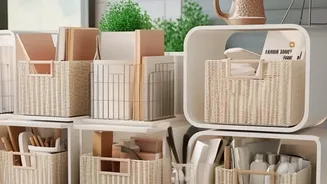
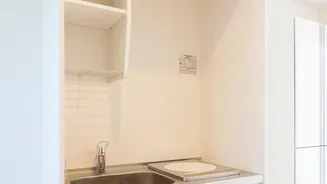
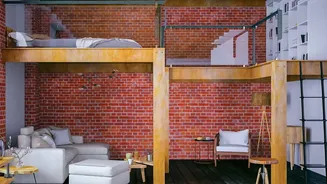
In compact urban apartments, every square foot matters. Modular furniture is particularly adept at maximising this limited space. Because you can tailor the layout to your room's exact dimensions, you can avoid the awkward gaps and wasted areas that often come with standard-sized furniture. Many modular designs also incorporate clever, hidden storage, such as compartments under sofa seats or beds with built-in drawers, helping to keep clutter at bay. Pieces like wall-mounted cabinets or foldable dining tables can serve multiple functions, transforming an area from a living room to a dining space with a simple adjustment.
‘Future-Proofing’ Your Home, One Move at a Time
For renters, the term 'future-proof' is key. Life changes—you might move to a new flat with an entirely different layout, need to carve out a home office, or welcome a new housemate. Modular furniture adapts to these shifts. That L-shaped sofa that was perfect for your last living room can be reconfigured into a straight three-seater with a separate ottoman in your new one. This adaptability makes moving significantly easier; instead of wrestling a bulky couch through a narrow doorway, you're moving lighter, individual sections. This flexibility extends the life of your furniture, as you can add or subtract modules as your needs evolve, making it a smart long-term investment for a mobile lifestyle.
Style Meets Sustainability
Practicality doesn't come at the expense of aesthetics. Modern modular furniture is available in a wide array of stylish designs, materials, and finishes to suit any decor. Beyond its look, modular furniture often aligns with more sustainable living practices. Instead of replacing an entire piece of furniture because one part is damaged or your needs change, you can often just replace a single module. This reduces waste and promotes longevity. Furthermore, many brands are now using eco-friendly materials and designing pieces for flat-pack shipping, which helps to lower their carbon footprint.
What to Consider Before You Commit
While the benefits are compelling, there are a few things to keep in mind. The quality of connectors is crucial for stability, so it's wise to invest in a reputable brand. The lifespan can sometimes be shorter than that of solid wood furniture, especially if made from lower-quality materials like particleboard, which is susceptible to moisture damage. Also, be aware that you are often buying into a specific brand's system, meaning you can't easily mix and match modules from different manufacturers. Costs can also be higher upfront compared to some traditional furniture because each module is a finished piece. Despite this, for many renters, the long-term value and flexibility outweigh these potential drawbacks.