






The Snack You've Been Throwing Away
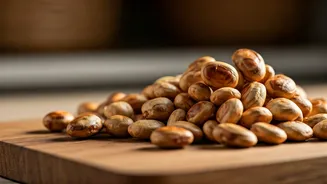
If you’ve ever carved a ripe jackfruit, you know the drill: sticky hands, sweet golden pods, and a pile of large, pale seeds. For generations, these seeds were either discarded or used in traditional curries. But now, thanks to a wave of creativity on social
media platforms like Instagram and YouTube, they’re being reinvented. Food bloggers and home cooks are showing off a simple, genius transformation: baking the seeds until they become irresistibly crunchy, much like roasted chestnuts or a healthier potato chip. This isn't just about novelty; it's a delicious expression of the growing 'waste-not, want-not' ethos in Indian kitchens. The trend taps into a collective desire for sustainable, whole-food consumption, proving that the most overlooked parts of our produce can often be the most rewarding.
More Than Just a Crunchy Bite
So, what’s driving the hype beyond the crunch? It turns out jackfruit seeds are nutritional powerhouses. They are a notable source of plant-based protein and dietary fibre, which helps with digestion and keeps you feeling full longer—a major win for a snack. They also contain resistant starch, a type of starch that feeds the beneficial bacteria in your gut. Beyond that, they are packed with essential minerals like magnesium and potassium, which are vital for nerve function and blood pressure regulation. While they won't replace your daily dal, incorporating them as a snack is a smart, nutrient-dense choice. They offer a satisfying, savoury experience without the empty calories often found in packaged snacks, making them a perfect guilt-free option for that 4 p.m. hunger pang.
A Crucial Step: Cook Them First
Before you rush to the kitchen, there is one non-negotiable rule: jackfruit seeds must be cooked. Raw seeds contain compounds called tannins and trypsin inhibitors, which can interfere with nutrient absorption and cause digestive upset. In their raw state, they are considered toxic and should never be consumed. Thankfully, making them safe and edible is incredibly simple. The heat from boiling or roasting neutralises these anti-nutrients completely. Most recipes call for boiling the seeds first until they are tender, which not only makes them safe but also ensures a better final texture. This is the most important step in the process, turning a potential hazard into a wholesome, delicious treat.
How to Make Your Own
Ready to try them? The process is surprisingly straightforward. First, collect the seeds from a ripe jackfruit and wash them thoroughly to remove any sticky residue. Place them in a pot, cover with water, add a pinch of salt, and boil for about 15-20 minutes, or until you can easily pierce them with a fork. Drain the seeds and let them cool slightly. Once cool enough to handle, you'll notice a thin, white outer skin that peels off easily, revealing the cream-coloured seed beneath. Discard the outer skin. Now, toss the boiled and peeled seeds in a bowl with a little oil (coconut or olive oil works well) and your chosen seasonings. Spread them in a single layer on a baking sheet and bake in a preheated oven at 200°C (400°F) for 15-20 minutes, or until they are golden brown and crispy. Shake the tray halfway through for an even bake.
Flavour Your New Favourite Snack
The beauty of baked jackfruit seeds lies in their versatility. Their mild, slightly nutty flavour, often compared to a potato or chestnut, makes them a perfect canvas for a wide range of spices. For a classic, simple snack, a sprinkle of salt and black pepper is all you need. If you're feeling more adventurous, try a dusting of chaat masala for a tangy, spicy kick that is quintessentially Indian. Other fantastic options include smoked paprika for a barbecue flavour, garlic powder and herbs for a savoury Italian twist, or a pinch of turmeric and chilli powder for a vibrant, warming spice blend. You can even go sweet by tossing them with a little jaggery powder and cinnamon towards the end of baking. Experimentation is key to finding your perfect combination.