






The Blueprint of a National Blockbuster
For decades, Indian cinema operated in distinct linguistic silos. A hit in Tamil Nadu might be remade in Hindi, but rarely did a single film, in its original or dubbed form, conquer the entire nation at once. That changed with the arrival of the 'pan-Indian'
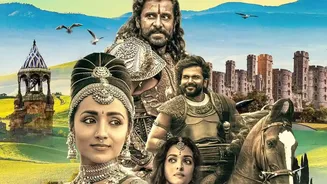
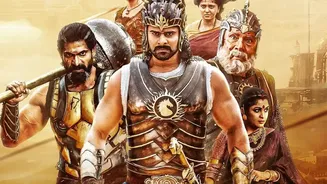
film, a movement largely pioneered by director S. S. Rajamouli with his epic Baahubali series. These films were designed from the ground up to transcend regional tastes, focusing on universal themes of heroism, mythology, and spectacle. Unlike earlier dubbed movies, which often felt like cultural afterthoughts, this new wave was strategically produced and marketed for a simultaneous, nationwide release, creating a unified cinematic event. Films like K.G.F., Pushpa: The Rise, and RRR followed suit, proving that stories rooted in regional settings could achieve unprecedented national success, often outperforming mainstream Bollywood releases in their own markets.
Action as a Universal Language
At the heart of the pan-Indian phenomenon is a simple truth: you don't need subtitles to understand a punch. The action sequences in these films are not mere interludes; they are central narrative events built on raw emotion and breathtaking scale. Rajamouli himself has stated that he tests his stories by imagining them without dialogue to ensure the core emotion connects visually. Think of the physics-defying bridge rescue in RRR or the relentless, visceral hammer-wielding scenes in K.G.F. These are not just fights; they are stories told through motion, impact, and sheer will. By elevating action choreography to an art form, filmmakers found a language that speaks directly to audiences everywhere. The themes are often grand and mythological—good versus evil, an underdog rising against oppression—which resonate across cultural specifics. This focus on visual, high-stakes storytelling ensures that whether you're in a single screen in Tirunelveli or a multiplex in Delhi, the spectacle is just as gripping.
The Score as the Soul of the Spectacle
If action is the body of these films, the background score (BGM) is the soul. Composers like M. M. Keeravani (Baahubali, RRR) and Ravi Basrur (K.G.F. series) have become as famous as the films' stars, and for good reason. Their work goes far beyond simple background music; it is an essential part of the storytelling, an emotional operating system that tells the audience how to feel. The score builds tension, signals character motifs, and turns a simple hero's entrance into a goosebump-inducing event. In fact, studies in neuroscience have shown that background music directly increases a viewer's attention and immersion in visual scenes. The themes from these films—like the iconic, heavy-metal infused score of K.G.F.—have become viral sensations in their own right, detached from the film and shared across social media. This aural identity becomes a powerful marketing tool and a shorthand for the film's entire mood and scale.
A Symphony of Scale
Ultimately, the pan-Indian formula works because these two elements, stunts and score, are not treated as separate components but are fused into a singular, overwhelming experience. The music doesn't just accompany the action; it amplifies it, giving each blow emotional weight and mythical significance. The action, in turn, provides the grand canvas that justifies the soaring, operatic scores. Director Prashanth Neel has spoken about how every department, from cinematography to music, collaborates to visualize a scene, creating a unified sensory assault. This is event cinema designed for the big screen, a communal experience that feels larger than life. In an age of dwindling attention spans, this combination of visceral action and powerful music creates a potent, fast-paced narrative that keeps audiences hooked. It is a carefully engineered spectacle where every plot point is designed to end on a high, delivering a rewarding experience that feels both epic and emotionally satisfying.