



Stuck in a vegetarian cooking rut? It happens to the best of us. The same cycle of paneer, dal, and veggie stir-fry can make mealtime feel monotonous. The secret to breaking free isn't a complex new diet; it's a shift in strategy.
Embrace Seasonal Eating
One of the simplest ways
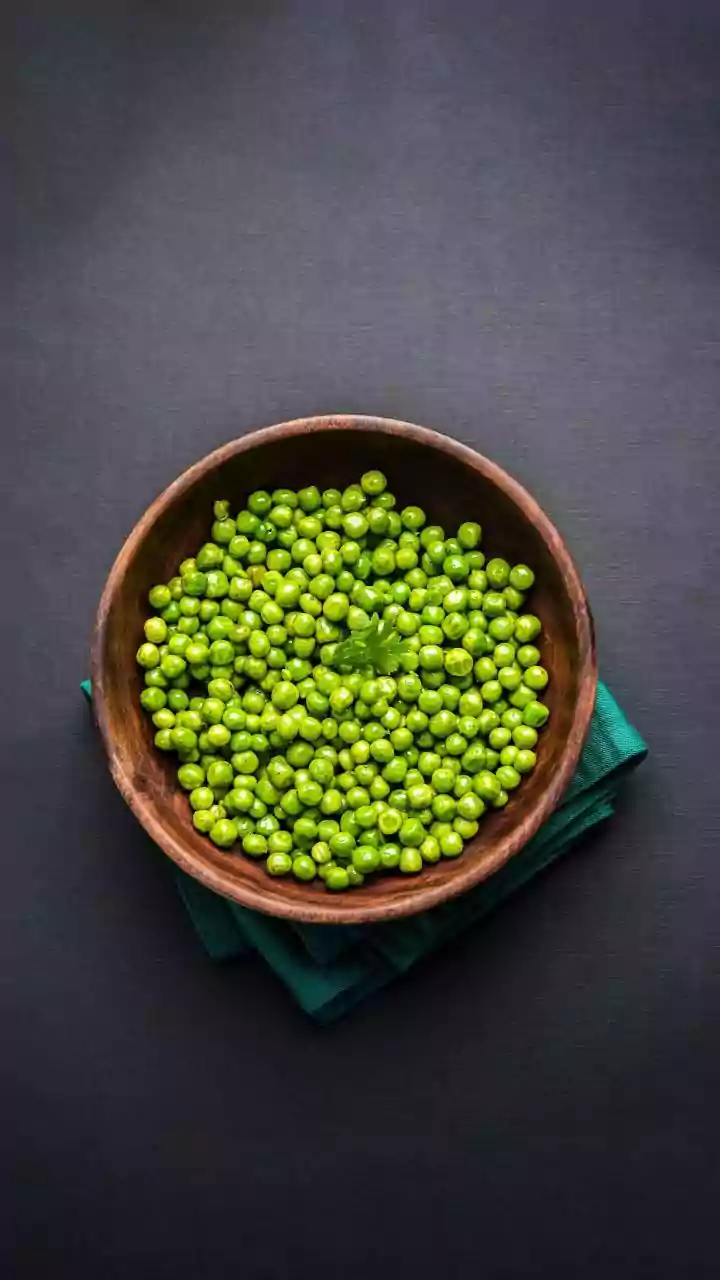
to introduce variety is to let the calendar be your guide. Cooking with seasonal produce ensures you are using ingredients at their peak flavour and nutritional value. Spring might bring tender asparagus and fresh peas, while summer offers an abundance of zucchini, tomatoes, and sweet corn. Autumn is the time for hearty squashes, root vegetables, and mushrooms, and winter provides robust brassicas like cabbage and kale. By aligning your meal plan with the seasons, you naturally rotate your core ingredients, which automatically breaks the monotony and keeps your plate exciting and colourful.
Explore a World of Flavours
Your taste buds are ready for a journey. While Indian and Italian cuisines offer fantastic vegetarian staples, many other global food traditions are rich with plant-based dishes. Consider exploring the fresh, herb-filled flavours of Vietnamese cooking, such as noodle dishes with fresh vegetables or rice paper rolls. Or, dive into Mexican cuisine with cauliflower or black bean tacos and flavourful salsas. Japanese cuisine offers dishes like soba noodle bowls, miso soup, and agedashi tofu. Many cuisines from around the world, including Thai, Ethiopian, and Middle Eastern, are incredibly vegetarian-friendly and provide a new world of spices and cooking techniques to discover.
Master a New Cooking Technique
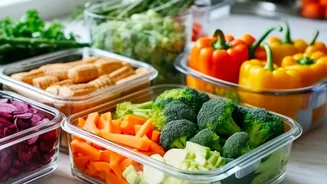
How you cook is just as important as what you cook. If you often sauté or stir-fry, try a different method to completely transform a familiar vegetable. Roasting vegetables like cauliflower, broccoli, and carrots brings out their natural sweetness through caramelization. Grilling can impart a smoky flavour to everything from paneer to bell peppers and mushrooms. Learning to properly press and fry tofu can change its texture from soft to delightfully crispy, making it a star ingredient in salads and bowls. Even simple techniques like pickling radishes or onions can add a bright, acidic crunch that elevates a simple meal.
Rethink Your Pantry Staples
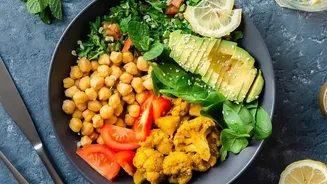
The staples in your pantry—lentils, beans, chickpeas, and grains—are incredibly versatile. Instead of always making dal, try using lentils in a hearty soup, as a base for veggie burgers, or folded into a spinach and yogurt dish. Chickpeas can be roasted for a crunchy snack, mashed into a sandwich filling, or used in stews and curries. Grains like quinoa and millets aren't just for side dishes; they can be turned into patties, used to stuff vegetables like bell peppers or squash, or form the base of a nourishing breakfast bowl. Thinking of these staples as blank canvases encourages creativity.
Unleash the Power of Sauces and Spices
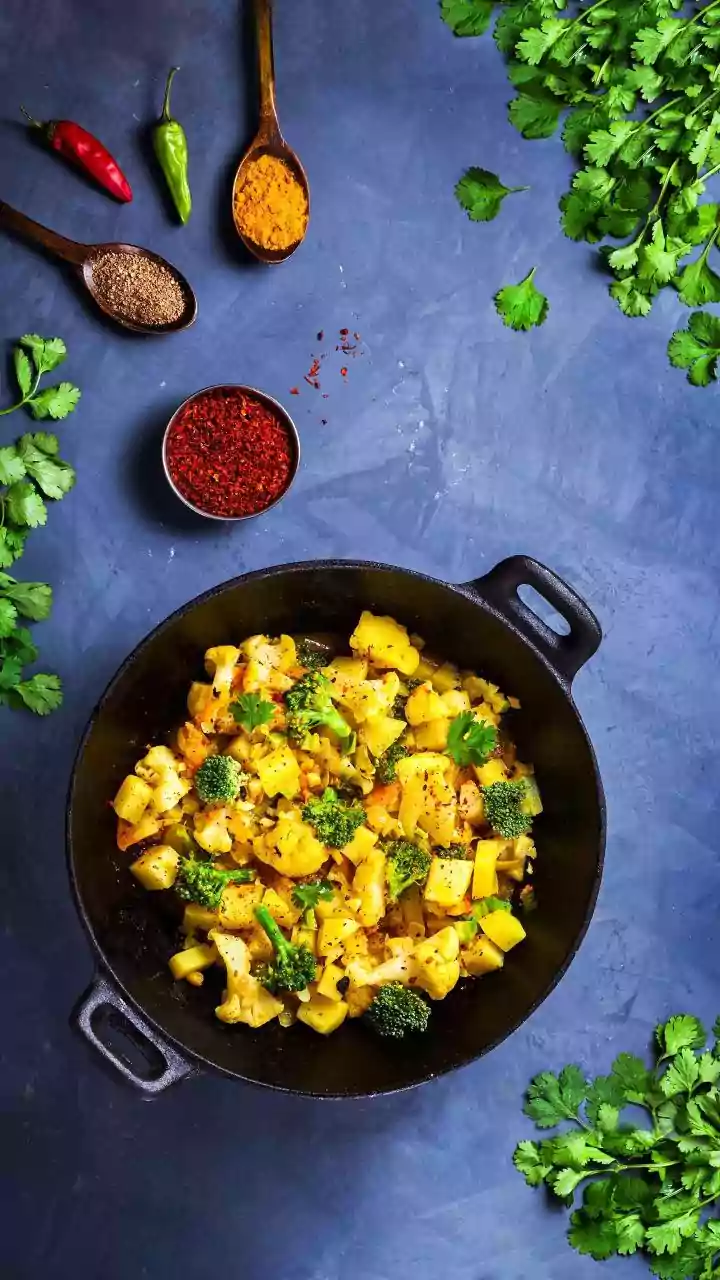
A great sauce can turn a simple plate of steamed vegetables and rice into a crave-worthy meal. Experimenting with homemade sauces is a game-changer. A simple peanut sauce can be used for tofu bowls or lettuce wraps. A creamy red pepper sauce can elevate pasta, while a zesty carrot-ginger dressing brings a salad to life. Don't underestimate your spice cabinet either. A sprinkle of harissa, a dash of smoked paprika, or a flavourful garam masala blend can completely change the character of a dish with minimal effort. Building a small collection of versatile sauces and spice blends gives you endless possibilities for customising your meals.