





Understanding the Spirit of Chaturmas
Chaturmas, which translates to 'four months', is a significant period in the Hindu calendar dedicated to spiritual practices. For 2026, it begins in late July and concludes in mid-November. It's a time when Lord Vishnu is believed to be in a state of
cosmic sleep, and devotees focus on prayer, self-discipline, and penance. A major aspect of this observance is a sattvic diet, which involves avoiding certain foods to cleanse the body and mind, making them more conducive to spiritual activities. The traditional dietary science, rooted in Ayurveda, suggests that during the monsoon season, our digestive systems are weaker and the risk of food and water-borne illnesses is higher, making lighter, easily digestible food a wise choice.
Traditional Rules, Modern-Day Hurdles
The dietary restrictions often include abstaining from non-vegetarian food, onions, garlic, and sometimes specific vegetables like eggplant and leafy greens. Some traditions also advise giving up different food groups month by month, such as leafy vegetables in Shravan, yoghurt in Bhadrapad, milk in Ashwin, and certain dals like urad dal in Kartik. While spiritually significant, adhering to these rules can pose challenges today. Busy schedules can make preparing special meals difficult, and a monotonous diet can lead to nutritional gaps and a feeling of deprivation rather than spiritual elevation. The key is not to abandon tradition, but to adapt it smartly.
Your Modern Chaturmas Pantry
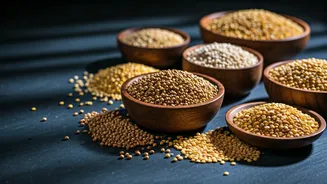
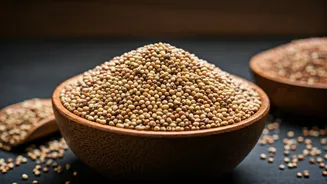
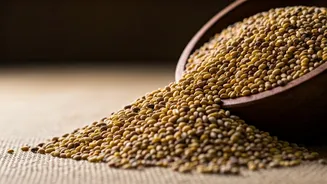
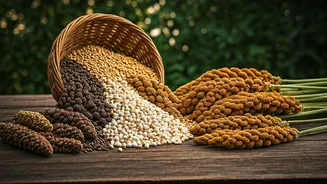
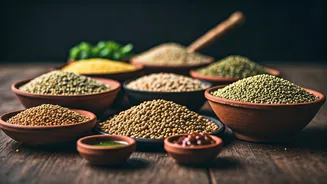
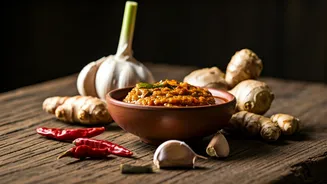
A reset starts in the kitchen. Instead of focusing on what you can't eat, let's stock up on what you can. Think of this as an opportunity for a culinary adventure. Your modern pantry should include ancient grains and millets like amaranth (rajgira), buckwheat (kuttu), and barnyard millet (samak rice). These are gluten-free, high in protein, and provide sustained energy. Rock salt (sendha namak) replaces regular salt. For flavour without onion and garlic, embrace ginger, asafoetida (hing), cumin, black pepper, and fresh herbs. A wide variety of seasonal vegetables like pumpkin, bottle gourd (lauki), and sweet potatoes should be staples, along with fruits for natural energy.
Nutrient-Rich Swaps to Feel Your Best
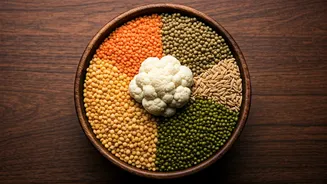
The biggest concern during a restricted diet is getting enough protein and essential nutrients. Here’s how to bridge the gap. Instead of heavy dals like urad, opt for moong dal, which is considered the lightest and easiest to digest. Paneer, tofu, and nuts can be excellent sources of protein and healthy fats. Instead of deep-fried kuttu puris or pakoras, try making a light chilla or paratha on the tawa with minimal ghee. If you're avoiding yoghurt, a well-spiced buttermilk can aid digestion. For a healthy snack, swap out fried potato chips for roasted makhana (fox nuts) or a handful of raw nuts. These simple swaps ensure you remain energetic and nourished, not sluggish.
Sample Reset Meal Plan
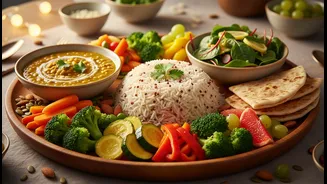
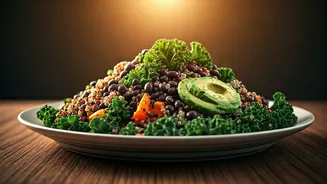
Variety is key to staying motivated. A modern Chaturmas plate can be both delicious and compliant. Start your day with a protein-rich smoothie using amaranth puffs, seeds, nuts, and a compliant milk base. For lunch, try samak rice khichdi with vegetables and a side of cucumber raita (if yoghurt is allowed in the current month). Dinner could be a hearty pumpkin soup or rajgira parathas with a simple lauki sabzi. Snacks can include seasonal fruits, a handful of nuts, or makhana. This approach focuses on whole, unprocessed foods that are light on the digestive system but high in nutritional value. Planning your meals ahead avoids last-minute unhealthy choices.