




Why This Time Is Different
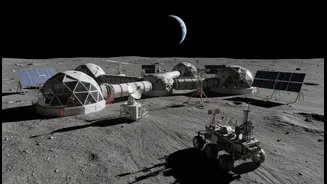
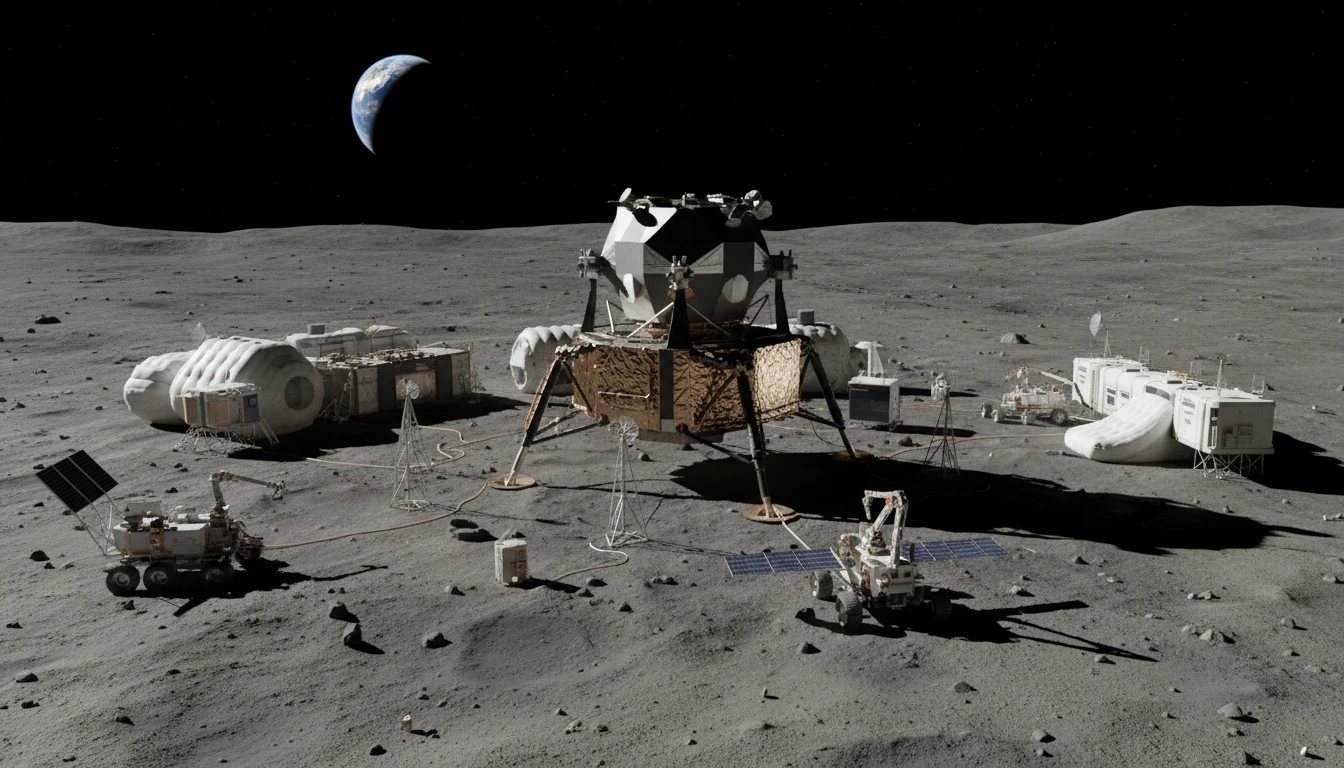
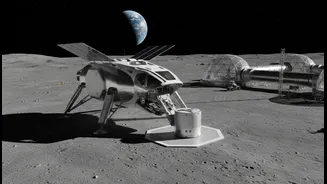
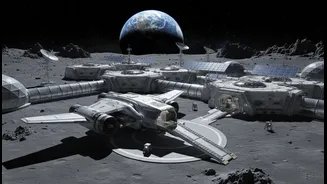
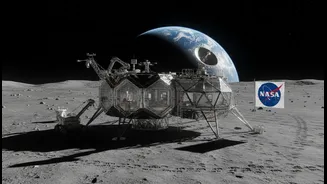
More than half a century after the last bootprints were left in the lunar dust, the return to the Moon is not just about planting flags. NASA's vision for the Artemis program is to establish a long-term human outpost, a 'Moon Base' that will serve as a hub
for science and a stepping stone to Mars. This new chapter in lunar exploration is defined by sustainability. Instead of brief, politically driven sprints, the goal is a permanent presence at the lunar South Pole, a region chosen for its strategic resources. The plan, unfolding in phases through the 2030s, involves building up infrastructure like habitats, rovers, and even nuclear power systems. It's a foundational shift from visiting the Moon to living and working there, unlocking its secrets for the benefit of all humanity.
The Moon's Scientific Treasure Map
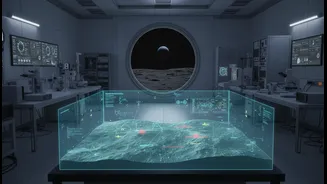
The primary driver for establishing a permanent base is science. The lunar South Pole is a treasure trove of scientific opportunity, mainly due to the presence of water ice in permanently shadowed craters. This ice is a game-changing resource. It can be processed to provide breathable air and drinkable water for astronauts, and it can be broken down into hydrogen and oxygen to create rocket propellant. This capability, known as in-situ resource utilization (ISRU), is crucial for making the Moon base self-sufficient and a viable refueling station for deeper space missions. Beyond water, scientists are eager to study the Moon's unique geology to better understand the history of our solar system. Robots and astronauts will drill for samples, analyze the composition of the lunar soil (regolith), and set up astronomical observatories on a surface free from Earth's atmospheric distortion.
The Rise of the Lunar Economy
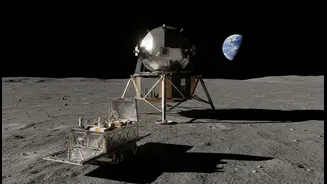
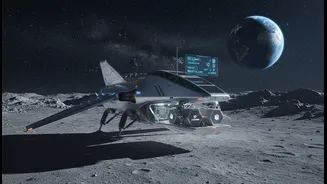
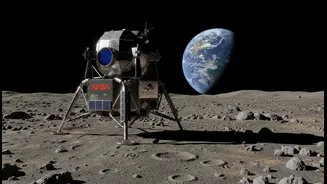
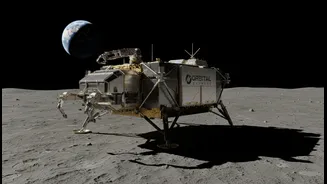
Perhaps the most radical part of NASA's new strategy is how it's getting all this done. Through the Commercial Lunar Payload Services (CLPS) initiative, NASA is no longer building all its own hardware. Instead, it's buying rides to the Moon from a growing list of American companies. With a budget of up to $2.6 billion, NASA is essentially acting as an anchor customer, paying private firms like Intuitive Machines, Firefly Aerospace, and Astrobotic to deliver science instruments and technology demonstrations to the lunar surface. This approach is designed to foster innovation, drive down costs, and create a vibrant commercial ecosystem around lunar exploration. By outsourcing the delivery service, NASA can focus on its core science and exploration goals while helping to birth a self-sustaining lunar economy. Recent contracts awarded in 2026 continue to build out this delivery network, proving the model is central to NASA's long-term plans.
A Bumpy But Promising Road
Creating a new market in deep space is not without its challenges. The CLPS program has embraced a higher tolerance for risk, and the early missions have seen a mix of stunning successes and hard lessons. While some missions have failed or only partially succeeded, such as landers tipping over upon touchdown, others have achieved historic firsts for the commercial sector. For example, Firefly Aerospace successfully landed its Blue Ghost lander in early 2025, proving a commercial company could stick the landing. Each mission, successful or not, provides invaluable data that helps engineers refine their designs and improve the chances of success for future flights. This iterative process of learning from both wins and losses is fundamental to the high-risk, high-reward nature of building a reliable commercial delivery service to another world.