



Humidity and Your Skin: A Sticky Situation
The core of the issue lies in humidity. During the monsoon, the air is saturated with moisture, often with humidity levels soaring between 80-90%. [13] Your skin, which acts as a barrier, is profoundly affected by its environment. [5] In high humidity,
sweat doesn't evaporate as quickly from your skin's surface. [17] This creates a warm, damp environment that can lead to a host of problems, from a perpetually greasy feeling to clogged pores and breakouts. The increased moisture in the air can also disrupt your skin's natural balance, often leading to increased oil or sebum production, making your face feel like an oil slick. [30, 13]
The Problem with Heavy Creams
Heavy creams are typically rich in occlusive and emollient ingredients. [16, 29] Occlusives, like petrolatum, mineral oil, and some waxes, form a physical barrier on the skin to prevent water from escaping—a process known as transepidermal water loss (TEWL). [25, 24] Emollients, such as shea butter and various oils, work to soften the skin by filling in gaps between cells. [25, 11] In dry weather, this is exactly what your skin needs to stay hydrated. However, during the humid monsoon, this protective barrier can backfire. It can trap not just moisture, but also sweat, excess oil, and environmental pollutants, leading to clogged pores, blackheads, and acne breakouts. [17, 30] Using a thick cream that your skin can't properly absorb in the humidity will just leave it sitting on the surface, contributing to a greasy, heavy feeling. [21]
Lighten Up: The Switch to Monsoon-Friendly Moisturisers
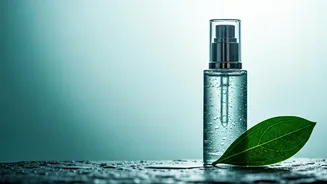
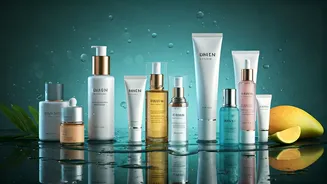
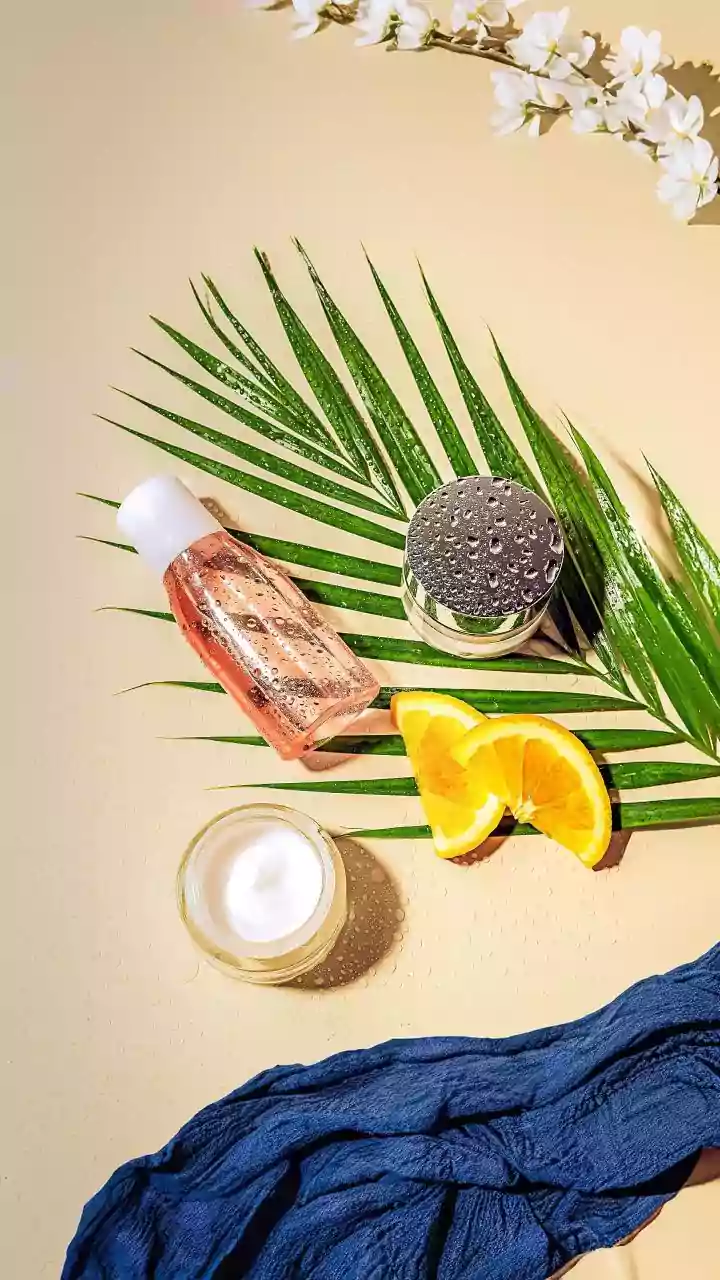
This doesn't mean you should skip moisturising altogether. Even oily skin needs hydration, and skipping this step can cause your skin to produce even more oil to compensate. [31, 22] The key is to switch to a lighter formula. During the monsoon, your skin will benefit from lightweight, non-comedogenic (meaning it won't clog pores), water-based or gel-based moisturisers. [17, 30] These formulas provide necessary hydration without the heavy, pore-clogging barrier of thicker creams. They absorb quickly and leave the skin feeling refreshed, not greasy. [29]
Ingredients to Look For
When shopping for a monsoon-friendly moisturiser, look for products featuring humectants. Humectants are ingredients that attract water and pull it into the skin. [24] Key examples include Hyaluronic Acid, which can hold up to 1,000 times its weight in water, and Glycerin. [10, 20] These ingredients provide intense hydration without the weight. [20] Other beneficial ingredients for the rainy season include Niacinamide, which helps regulate oil production and reduces inflammation, and Salicylic Acid, which helps to keep pores clear. [7, 17] Natural ingredients like tea tree oil, known for its antibacterial properties, and green tea, a powerful antioxidant, can also be beneficial for keeping monsoon-related breakouts at bay. [19, 7]
Beyond Your Moisturiser: A Holistic Approach
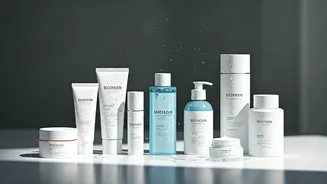
Adjusting your moisturiser is a crucial first step, but a few other tweaks can help your skin thrive. Ensure you're cleansing your face two to three times a day with a gentle, pH-balanced cleanser to remove excess oil and grime. [8, 18] Gentle exfoliation once or twice a week with a product containing AHAs or BHAs can help remove dead skin cells and prevent clogged pores. [15, 8] And don't forget sunscreen—even on cloudy days, harmful UV rays can penetrate the clouds and damage your skin. [12, 14] Opt for a lightweight, gel-based, broad-spectrum sunscreen with at least SPF 30. [12, 8]