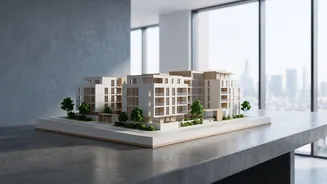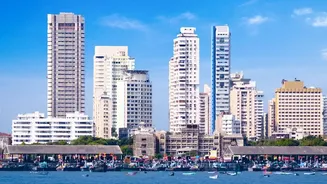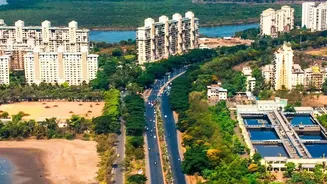




The Unmistakable Tilt Towards Luxury
If you feel like the property market is no longer building for you, you’re not imagining it. A major structural shift is underway in Indian real estate. Developers are increasingly focusing on premium and luxury housing, leaving the mid-range buyer with
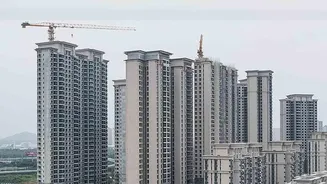
fewer options. Recent data paints a stark picture: new homes priced below ₹1.5 crore made up just 47% of launches in the top seven cities in early 2026, a dramatic fall from 85% just four years prior. In the same period, the share of homes in the ₹1.5 crore to ₹4 crore bracket has exploded from 14% to 44%. This isn't just a trend; it's a realignment of the entire market. While overall housing sales have been mixed, the premium segment has remained resilient, supported by affluent buyers who are less affected by inflation and rising interest rates. This boom at the top is creating a supply crunch for the very segment that represents a vast number of aspiring homeowners.
Why Developers Are Betting on Big-Ticket Homes
The pivot to premium is a calculated business decision, not a sudden whim. Several economic factors have made building affordable and mid-range homes less profitable for developers. The costs of land acquisition, construction materials like steel and cement, and regulatory compliance have all surged, squeezing margins on lower-priced projects. For many developers, building homes in the sub-₹1.5 crore category has simply become a less viable proposition in major urban centres. In contrast, the premium segment offers much healthier profit margins. Demand from high-net-worth individuals (HNIs), non-resident Indians (NRIs), and salaried professionals has remained robust. These buyers often seek larger homes, better amenities, and wellness-focused environments, and are willing to pay a premium for them. This sustained demand allows developers to achieve higher sales values, even if the total number of units sold is lower, making luxury projects a safer financial bet.
The Squeeze on the Mid-Range Buyer
The consequences for the sub-₹1.5 crore buyer are direct and challenging. The most obvious impact is a shrinking pool of options. With fewer new projects launching in this price bracket, competition for available inventory intensifies, pushing prices up even for older properties. In the first quarter of 2026, housing prices across major cities saw significant year-on-year increases, with Bengaluru leading at nearly 24% and the Mumbai Metropolitan Region (MMR) at around 20%. This price appreciation, coupled with softening demand in the affordable and middle-income segments, points to a growing affordability crisis. Buyers are being forced to compromise, either by accepting smaller homes, moving to far-flung peripheral locations in search of cheaper land, or postponing their purchase altogether. This outward migration only works if the new areas have adequate infrastructure like transport and jobs, which is not always the case.
Navigating the New Real Estate Reality
For those determined to buy a home under ₹1.5 crore, navigating this market requires a new strategy. The dream of a spacious home in a prime city location may need to be recalibrated. Buyers should be prepared to look at emerging corridors and Tier-2 cities where property values are more accessible. Financial preparedness is more critical than ever. A recent cautionary tale on social media highlighted a homeowner who regretted buying a ₹1.5 crore apartment after a drop in his variable income left him struggling with the EMI. It's crucial to budget not just for the EMI, but also for hidden costs like maintenance, repairs, and society charges. Aspiring buyers should also stress-test their finances against potential income fluctuations before committing to a large loan. With the market skewed towards luxury, finding value in the mid-range segment demands more research, patience, and a realistic assessment of what one can truly afford.