




Embrace Strategic Ventilation
Good airflow is your first line of defence against trapped moisture. While it seems counterintuitive to open windows during the monsoon, it's crucial to do so during dry spells or when it's not actively raining. Creating cross-ventilation by opening windows on opposite
sides of your home allows fresh air to circulate and pushes damp, stagnant air out. This simple habit, even for just a couple of hours a day, prevents condensation from settling on walls and ceilings, making your home less hospitable for mould.
Use Exhaust Fans Diligently
Your kitchen and bathroom are major sources of indoor humidity from cooking steam and hot showers. Make it a non-negotiable habit to run the exhaust fan every time you cook or bathe. Let it run for 15-20 minutes after you're done to ensure most of the moisture is pulled out of the room. This prevents the humid air from spreading to other parts of the house and significantly reduces the chances of mildew forming on tiles and walls. If you don't have an exhaust, opening a nearby window can help.
Harness Natural Dehumidifiers
You don't always need an electric dehumidifier to combat moisture. Several common household items work wonders as natural moisture absorbers. Place bowls of rock salt, activated charcoal sachets, or even chalk sticks in enclosed, damp-prone spaces like wardrobes, kitchen cabinets, and bookshelves. These materials naturally draw moisture from the air, keeping your clothes from feeling limp and preventing that musty smell in cupboards. For a dual-purpose solution, dried coffee grounds in a cloth bag can absorb moisture while also acting as a natural deodoriser.
Rethink Your Laundry Routine
Drying clothes indoors can release a significant amount of moisture into your home, dramatically increasing humidity levels. Whenever possible, dry your laundry outdoors, even on an overcast day. If you must dry clothes inside, choose a well-ventilated area like a balcony or a room with open windows and a running fan. Avoid drying them in a closed bedroom or living room. Also, ensure clothes are completely bone-dry before storing them away; even slight dampness can lead to fungus and mildew in your wardrobe.
Wipe Down Surfaces Promptly
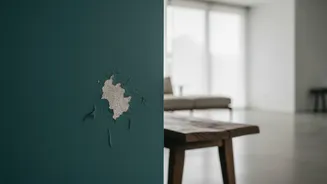
Condensation is common during the monsoon, appearing as water droplets on windows, mirrors, tiles, and even walls. Make it a daily habit to quickly wipe down these wet surfaces with a dry cloth. This simple five-minute task prevents water from sitting and seeping into surfaces, which is a primary cause of paint peeling and fungal growth. Pay special attention to bathroom walls after a shower and kitchen counters after cooking. It's a small effort that yields big results in preventing long-term moisture damage.
Keep Furniture Away From Walls
That small, dark gap between your large furniture and the wall is a prime breeding ground for mould. Air struggles to circulate in these tight spaces, trapping moisture and allowing fungus to grow undetected. A simple but effective habit is to pull your cupboards, sofas, and beds a few inches away from the walls during the monsoon. This small gap allows for better airflow, preventing moisture buildup and protecting both your walls and your expensive furniture from damp-related damage.
Leverage Sunlight Whenever Possible
Sunlight is a natural and powerful disinfectant that effectively kills mould spores. On days when the sun makes an appearance, make it a point to open up your curtains and let the light flood in. Replace heavy, thick curtains with lighter, sheer ones for the season to maximise whatever sunlight you get. You can also air out cushions, rugs, and bedding in a sunny spot. This not only helps dry out any absorbed moisture but also leaves your home feeling fresher and cleaner.