


An End to the Theatrics
Not long ago, the pinnacle of innovative Indian dining involved liquid nitrogen, deconstructed samosas, and sauces served in edible plastic. While visually impressive, this phase often prioritized novelty over soul. Chefs and diners alike are now moving
away from performative cooking. There is a growing consensus that while techniques from other cuisines can be useful, the goal is no longer to simply impress with theatrics but to connect with diners on a more emotional level through honest, soulful cooking. The focus has shifted from what's new and flashy to what's real, authentic, and memorable.
The Great Regional Rediscovery
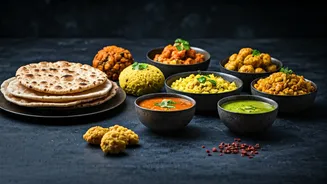
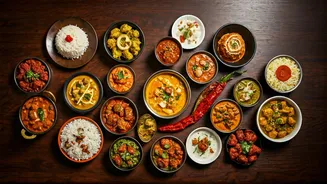
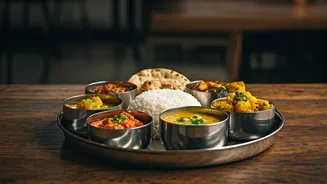
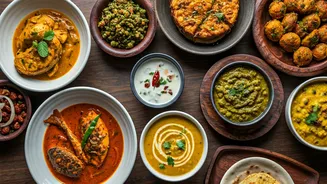
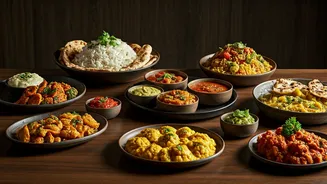
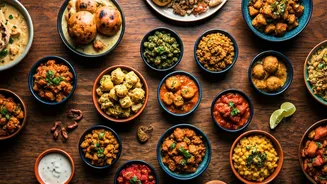
For decades, "Indian food" outside of India—and often within it—meant a narrow menu of Punjabi staples. That is changing dramatically. The new frontier of Indian cuisine is hyper-regional, exploring the immense diversity of the country's micro-cuisines. Chefs are now culinary cartographers, mapping and celebrating the distinct culinary identities of regions like Kerala, Goa, and Kashmir, as well as lesser-known tribal cuisines from the Northeast. This movement goes beyond just serving different dishes; it's about presenting food that tells a story of a specific place, its climate, and its community. Restaurants are creating menus that feel like a journey, not just a meal.
When the Ingredient Is the Star
A significant part of this shift towards depth is a renewed obsession with the ingredient itself. Provenance is the new luxury. Instead of relying on imported novelties, chefs are building relationships with local farmers to source the freshest seasonal produce. The farm-to-table movement has seen a significant surge in India, with restaurants highlighting where their vegetables are grown and ensuring they are organic and chemical-free. This not only results in food that tastes better but also supports local economies and promotes sustainability by reducing food miles. From heirloom grains sourced from a single farm to forgotten vegetables, the biography of the ingredient is becoming as important as the recipe.
Chefs as Culinary Historians
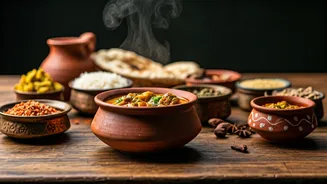
Many chefs have taken on the role of food historians, delving into old texts, family archives, and oral traditions to revive lost or forgotten recipes. These are not necessarily the grand dishes of royal kitchens, but often the humble, time-intensive foods of community and family kitchens that were pushed aside by modern convenience. By bringing back these dishes, chefs are preserving cultural identity and reintroducing modern palates to the complex, nuanced flavors of the past. Initiatives like Bengaluru's Tijouri are creating living archives by incorporating these revived recipes into permanent menus, ensuring they are not lost again.
A Confident New Identity
Ultimately, this move from gimmickry to depth is a sign of a cuisine that has found its confidence. Indian food is no longer trying to prove its worth by mimicking Western fine-dining tropes or seeking validation through fusion. Instead, it is celebrating its own vast heritage, techniques, and flavor profiles. This inward turn is creating a more honest, diverse, and exciting dining landscape. The most innovative dishes are now those that feel both deeply rooted and refreshingly new, connecting the past to the present on a single plate. As chefs and diners alike continue this exploration, the future of Indian food promises to be more flavorful and authentic than ever.