




What is a VR Classroom?
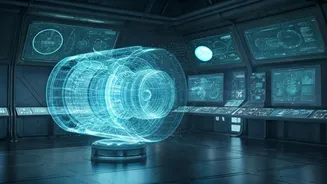
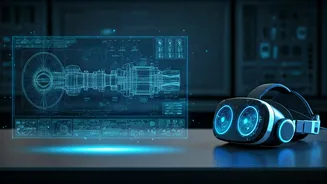
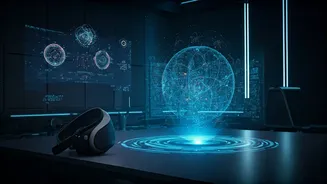
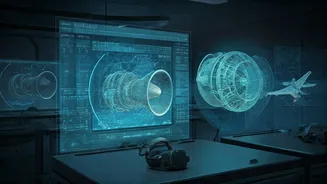
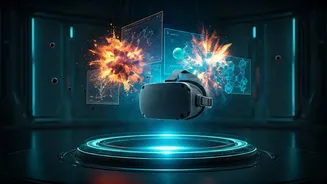
Imagine an engineering student in Nagpur putting on a VR headset and instantly being transported into a hyper-realistic hangar. In front of them sits a full-scale digital twin of a jet engine. They can walk around it, zoom in on a single turbine blade,
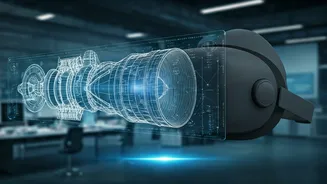
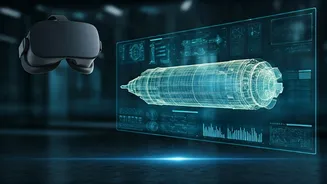
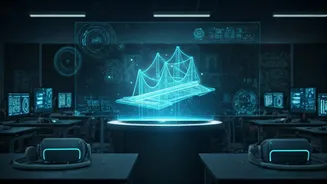
and even begin to disassemble it piece by piece. This is an immersive VR classroom. Unlike a simple video or a 3D model on a screen, VR provides a sense of 'presence'—the feeling of actually being there. Students can interact with complex machinery using hand-held controllers, manipulating virtual tools to perform tasks that would be impossible, dangerous, or prohibitively expensive in the real world.
The AI Brain Behind the Simulation
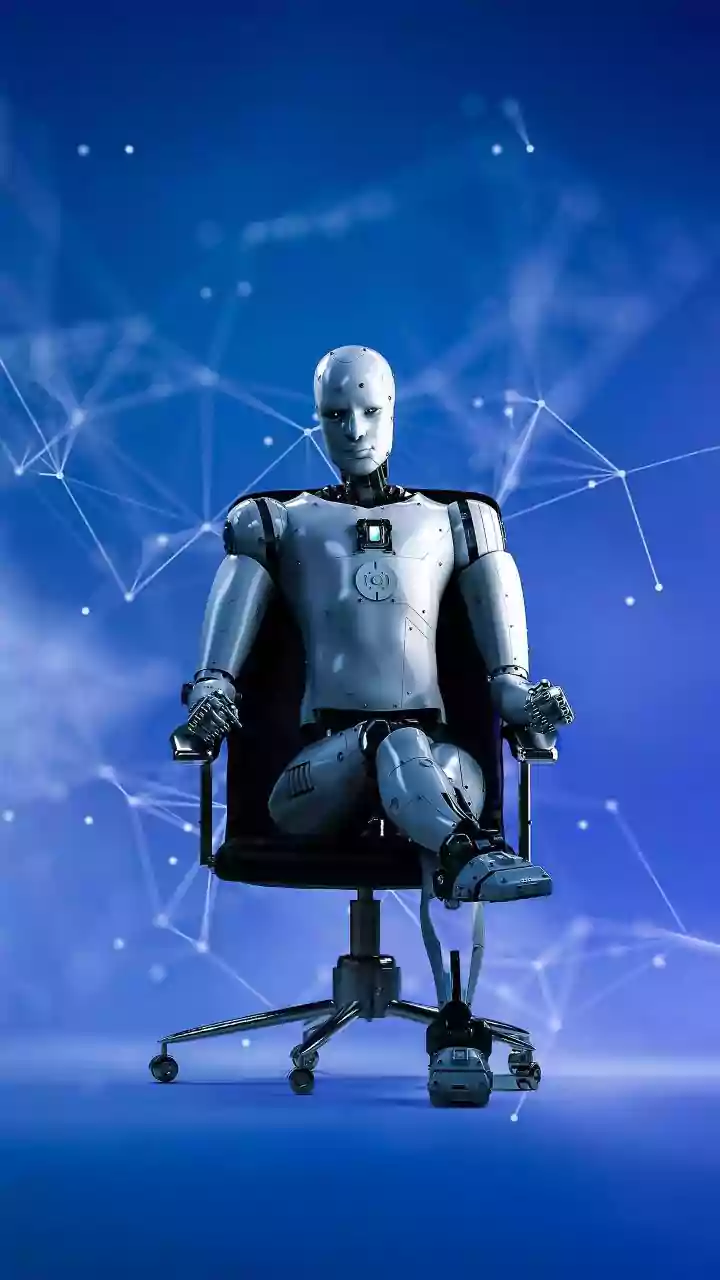
If VR builds the virtual world, AI gives it a mind. The AI's role is what elevates this from a static diorama to a dynamic learning environment. First, it acts as an intelligent tutor. As a student attempts to repair a landing gear system, the AI can provide real-time feedback, highlight mistakes, and suggest correct procedures, personalising the lesson to their skill level. Second, the AI can generate endless, realistic scenarios. It can simulate a sudden hydraulic failure during a maintenance check or introduce unexpected environmental factors like high winds, forcing students to problem-solve under pressure. This moves learning from simple memorisation to developing critical thinking and adaptability—skills essential for any aerospace engineer.
More Than Just Cutting Costs
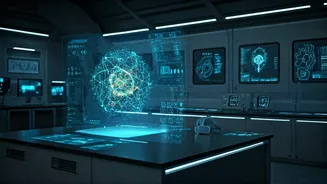
While the cost savings from not needing to maintain multi-million dollar physical labs are significant, the pedagogical benefits are even more profound. The biggest advantage is safety. Students can practice responding to catastrophic engine failures or complex electrical fires with zero physical risk. This 'safe-to-fail' environment encourages experimentation and builds confidence. Furthermore, it democratises access. A student at any college, regardless of its physical infrastructure, can access a world-class virtual lab that is identical to what they might find at ISRO or Boeing. Repetition, key to mastering any skill, is unlimited. A student can practice a difficult welding technique a hundred times in an afternoon, something unimaginable with real-world material and time constraints.
The Indian Aerospace Opportunity
For India, a nation with soaring ambitions in space exploration and domestic aircraft manufacturing, this technology is not a luxury but a strategic necessity. Initiatives like 'Make in India' and the growth of private space-tech startups depend on a pipeline of highly skilled, job-ready engineers. Traditional engineering curricula often struggle to bridge the gap between theory and hands-on practice. Immersive labs can fill this void. Leading institutions like the IITs are already exploring VR/AR applications in education. By adopting this technology on a wider scale, India can rapidly upskill its workforce, reduce training times for complex aerospace roles, and give its engineering talent a competitive edge on the global stage. It’s about creating engineers who haven't just read the book, but have 'lived' the experience.
Challenges on the Path Forward
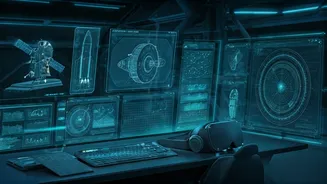
The road to widespread adoption is not without its hurdles. The initial investment in high-fidelity VR headsets and the powerful computing required to run these simulations can be substantial. More importantly, creating accurate, curriculum-aligned virtual content is a specialised skill, requiring collaboration between software developers, educators, and industry experts. There is also the risk of a digital divide, where only premier institutions can afford the best-in-class virtual labs. However, as the cost of hardware continues to fall and platforms for creating VR content become more accessible, these barriers are expected to lower, making this revolutionary educational tool available to a much broader audience of aspiring engineers.