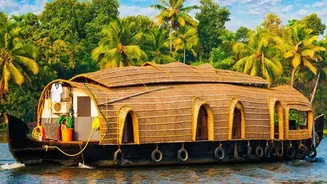








The Search for Authentic Experiences
For years, travel often meant visiting a famous landmark, taking photos, and moving on. Today, that script is changing dramatically. An increasing number of Indian travellers, particularly younger generations, are prioritising immersive experiences over
traditional sightseeing. This shift is driven by a desire to connect with a place on a deeper level—through its food, traditions, and people. Reports show a significant rise in demand for culture-led travel, with travellers spending more time discovering local culture than they did just five years ago. Instead of just seeing a place, they want to feel it, whether that means learning a local craft, joining a culinary workshop, or staying in a community-run homestay. This growing appetite for authenticity is reshaping India's domestic and outbound travel markets, with experiential travel projected to become a dominant segment.
What Makes a Tourism Platform ‘Smart’?
Fueling this trend is a new generation of 'smarter' tourism platforms. These are not just standard booking websites. They leverage technology like Artificial Intelligence (AI) to act as personalised travel curators. According to industry experts, AI helps cut through the overwhelming number of options to build customised journeys based on a user's unique preferences, from wellness retreats to adventure trips. Many Indian travellers have already started using AI to plan their trips, finding it most useful for creating personalised, day-by-day itineraries. Some platforms are also integrating community-based models, connecting travellers directly with local hosts offering unique experiences. For example, the government's revamped Incredible India platform uses AI to personalise suggestions, while initiatives like the National Digital Tourism Stack aim to connect travellers with verified homestays, guides, and local activities.
Beyond the Monuments: What Local Looks Like
So, what kind of experiences are these platforms unlocking? The focus is shifting from destinations to the activities themselves. Holiday searches now often start with an experience, like a wildlife safari in Kenya, a culinary trail in Italy, or a stargazing trip in Ladakh. Domestically, this translates to heritage walks in ancient cities, learning traditional weaving in Kutch, or exploring regional cuisines with a local family. These platforms facilitate 'community-based tourism,' where travellers stay in locally-owned properties and participate in activities managed by the community. This could mean anything from joining a riverside cooking session to trying your hand at painting with local artists or taking a nature trail led by villagers who know the land best. The goal is to move beyond the commercialised tourist trail and have genuine interactions.
A Win-Win for Travellers and Communities
This evolution in travel offers significant benefits for everyone involved. For travellers, it provides a more meaningful and memorable journey, offering a deeper connection to the destination and its culture. For local communities, it creates new and diverse economic opportunities that go beyond seasonal or agriculture-based income. Community-based tourism ensures that the economic benefits of travel stay within the community, supporting local households and small businesses. It also fosters a sense of pride in local heritage and encourages the preservation of cultural traditions and the environment, as communities have a direct stake in protecting the assets that attract visitors. By connecting travellers with these experiences, smart platforms help distribute the benefits of tourism more equitably, moving beyond traditional tourist hubs.