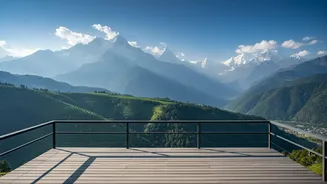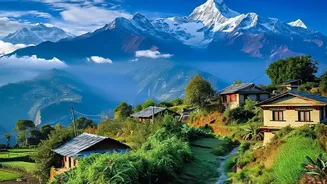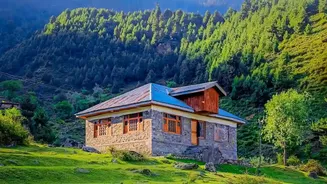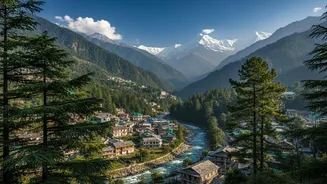




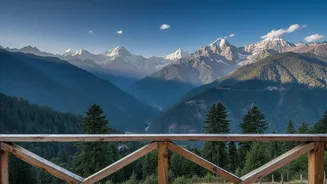


More Than Just a Paragliding Hub
For years, Bir was known primarily for one thing: being one of the world's best paragliding destinations. But in recent years, a different kind of visitor has started to arrive and, more importantly, to stay. Drawn by the serene landscape, Tibetan culture,
and a slower pace of life, remote workers, freelancers, and entrepreneurs have found a unique appeal in this mountain town. Unlike many commercialised hill stations, Bir has retained its authentic, calm personality, offering a quiet, focused environment that is increasingly rare and sought after.
The Connectivity Conundrum Solved
The single biggest question for any aspiring mountain nomad is, 'But what about the Wi-Fi?'. This is where Bir has pulled ahead of many other remote locations. The town's growing popularity with long-stay travellers and remote workers created a demand that service providers have rushed to fill. Major providers like Jio and Airtel have rolled out strong fiber optic networks, with many cafes, homestays, and guesthouses now offering stable connections with speeds from 30 Mbps to over 100 Mbps. This influx of reliable, high-speed internet has been the true game-changer, transforming Bir from a vacation spot into a viable, long-term work base. Some establishments even have redundant lines from different vendors to ensure they are always online.
An Ecosystem Built for Remote Work
Good internet is crucial, but a true digital nomad hub needs more than just a strong signal. An entire ecosystem has evolved in Bir to support the work-from-mountains lifestyle. Dedicated coworking spaces like Karyashaala and Barefoot Bir offer 24/7 access, power backup, and professional work environments. Beyond these, a staggering number of cafes are explicitly laptop-friendly, providing sockets, comfortable seating, and a steady stream of coffee to fuel deadlines. Accommodations have also adapted, with many homestays and boutique hotels like SOWA Stays and The Founders Tribe offering special long-stay packages that include coworking facilities, making it both affordable and practical to settle in for weeks or months at a time.
The Bir Lifestyle: Work, Rest, and Fly
A typical day for a digital nomad in Bir perfectly blends productivity and leisure. Mornings might be for focused work at a cafe in the Tibetan Colony, followed by an afternoon break to watch paragliders land or explore the local monasteries. The town is small and easy to navigate, often by walking or cycling, which contributes to a less stressful daily routine. The evenings are not about loud nightlife; instead, they revolve around quiet dinners, bonfire gatherings, and community events hosted by hostels and coworking spaces. This focus on work-life balance and a strong sense of community is a major draw for those looking to escape the relentless pace of city life and connect with like-minded individuals.
Practical Realities and Considerations
While the setup is impressive, it's not without its challenges. The mountain weather can be unpredictable, and while the internet infrastructure has improved dramatically, occasional power cuts can still happen, making power backups a necessity. The lifestyle is also best suited for those who appreciate peace and quiet; anyone seeking bustling nightlife will find Bir lacking. However, for a growing number of professionals, these are minor trade-offs. The ability to live and work in a beautiful, low-cost environment, supported by modern connectivity and a welcoming community, represents a new, more sustainable way of defining a successful career.