


The Fading Majesty of the Night Sky
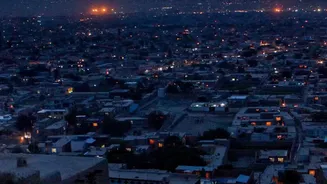
In our ever-brightening world, true darkness has become a luxury. The constant glow from streetlights, homes, and industries creates a pervasive 'light pollution' that blankets our cities and towns, erasing all but the brightest stars from view. For many,
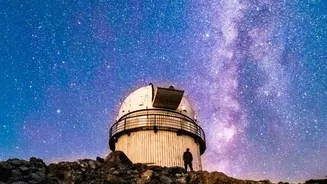
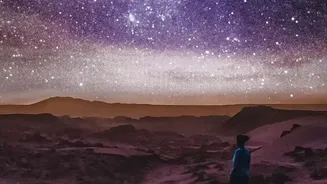
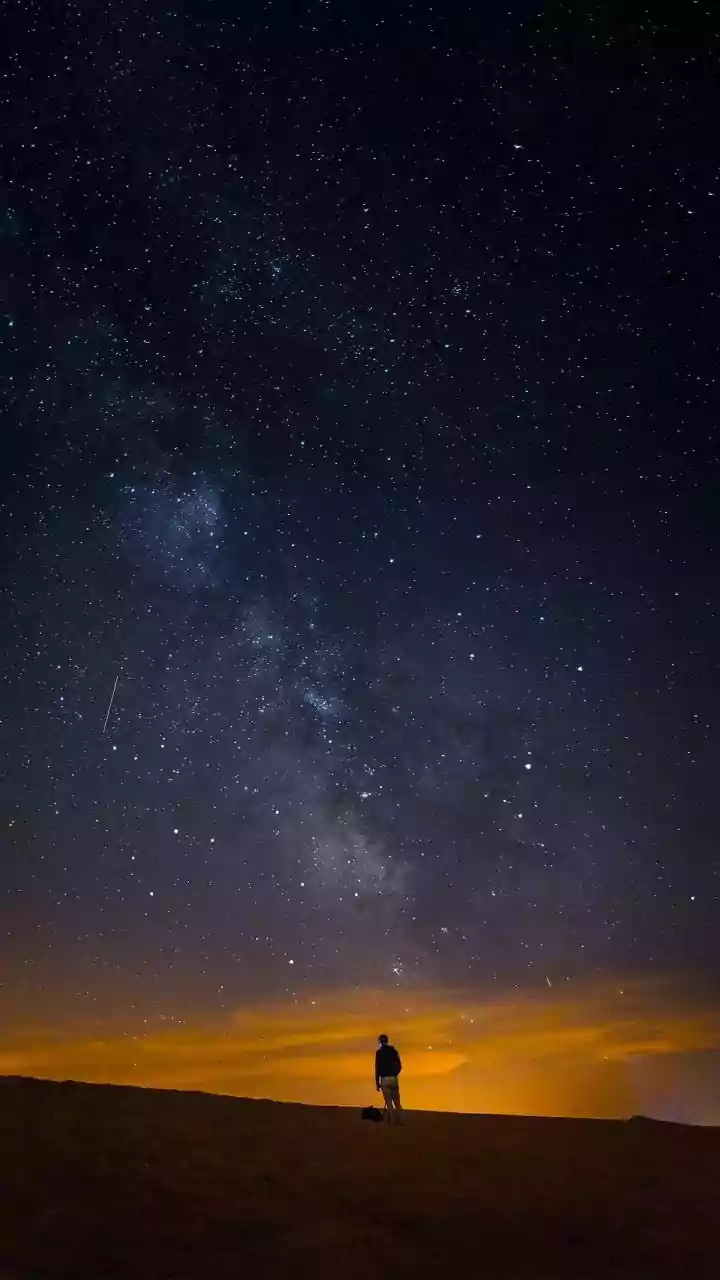
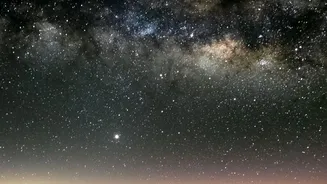
the breathtaking sight of the Milky Way arching across the sky is something only seen in pictures. This isn't just a loss for dreamers and poets; it has tangible consequences. Light pollution disrupts the natural cycles of nocturnal wildlife, affects human sleep patterns, and wastes enormous amounts of energy. While urban centres grapple with this artificial twilight, remote areas with clearer skies are realising they possess a rare and valuable natural resource. This has given rise to a new form of travel: astro-tourism, where the main attraction is the cosmos itself.
Udmal’s Vision: A Community-Led Revolution
Nestled in the Surgana taluka of Nashik, the tribal village of Udmal is emerging as a pioneer in India's dark sky movement. Unlike top-down tourism projects, the initiative here began with the community itself. In a landmark move, the Udmal gram sabha passed a resolution to protect its pristine night skies by controlling artificial light. The goal is not to eliminate light but to use it wisely: think shielded fixtures that direct light downwards, lower-intensity bulbs, and avoiding unnecessary illumination. Backed by the district administration, which has sanctioned funds for the project, and in collaboration with the NGO AstronEra, Udmal is on a path to becoming one of India's first internationally certified 'Dark Sky Communities'. This designation is awarded by DarkSky International to places that show an exceptional commitment to preserving the night.
What Astro-Tourism Could Look Like in Nashik
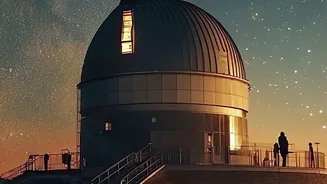
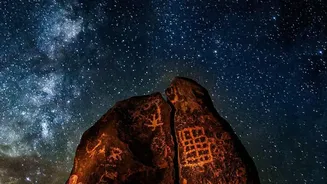
The transformation of Udmal into an astro-tourism hub promises a new identity for a region already known for its vineyards, temples, and treks in the Western Ghats. Imagine weekend trips from Mumbai and Pune not just for wine tasting, but for stargazing. Visitors could stay in eco-friendly homestays run by the local tribal community, who would be trained as 'astronomy ambassadors'. Evenings would be spent with telescopes pointed at Saturn’s rings or distant nebulae, guided by experts who can decode the constellations. The experience would extend beyond astronomy, creating opportunities for night-time nature walks to observe nocturnal creatures, astrophotography workshops, and cultural programmes that weave in local folklore connected to the stars. This model of tourism is low-impact, sustainable, and offers an authentic connection to both nature and culture, aligning with a growing demand for meaningful travel experiences.
More Than Just Stars: The Ripple Effect
The benefits of this initiative extend far beyond tourism. For the local Kokna tribal community, it represents a powerful opportunity for sustainable livelihood that honours their environment. By creating jobs in hospitality, guiding, and conservation, the project empowers residents economically while preserving their cultural and natural heritage. The push for dark skies also brings ecological rewards, helping to restore natural habitats for wildlife affected by artificial light. Furthermore, Udmal's effort is part of a larger push across Maharashtra, with 10 other sites being identified as potential dark sky locations. This positions the state to become a major destination for a niche but growing market of travellers who seek silence, nature, and a sense of awe. Success in Udmal could create a replicable model for other rural areas in India, proving that sometimes, the greatest economic asset is one that has been there all along, hidden in plain sight.