



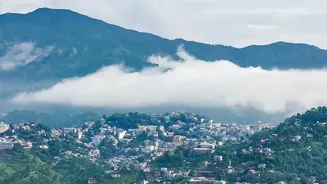

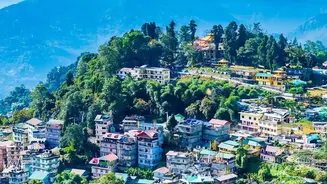
Day 1: Arrival and Journey to West Sikkim
Your adventure begins upon arrival at Bagdogra Airport (IXB) or New Jalpaiguri (NJP) railway station. From here, the journey to West Sikkim is a scenic ride that takes approximately 6 to 7 hours. The most efficient way to travel is by hiring a pre-booked
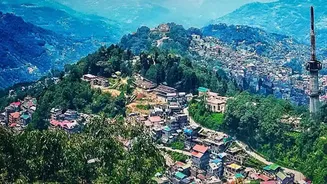
private taxi, as shared jeeps can be infrequent. The road winds alongside the Teesta River before climbing into the mountains. For a six-day trip, it's wise to break the journey. Consider an overnight stay in Pelling, a bustling town about 40 km from Yuksom, which allows for gradual acclimatization and avoids navigating steep mountain roads after dark. This initial travel day is crucial for adjusting to the altitude, which is vital for an enjoyable trip.
Day 2: Exploring Pelling and Reaching Yuksom
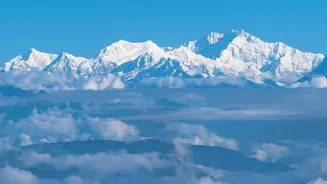
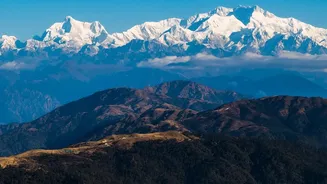
Spend the morning exploring Pelling's key attractions. Visit the Pemayangtse Monastery, one of Sikkim's oldest and most significant, offering stunning views of the Kanchenjunga range on a clear day. Afterwards, make your way to the sacred Khecheopalri Lake, a serene and wish-fulfilling lake revered by both Buddhists and Hindus. The drive from Pelling to Yuksom takes around 1.5 to 2 hours through dense forests and cardamom plantations. Upon arrival in Yuksom, check into your homestay or hotel. At an altitude of about 1,780 metres (5,840 feet), the air is crisp and the atmosphere is tranquil. Spend the evening taking a leisurely stroll through the small main market to soak in the unhurried pace of life.
Day 3: Yuksom’s Historical Heart
Dedicate today to discovering why Yuksom is the historical epicentre of Sikkim. Start with a walk to the Norbugang Coronation Throne, the site where the first Chogyal (king) of Sikkim was consecrated in 1642. This peaceful park, surrounded by ancient trees and prayer flags, is the very foundation of the kingdom. A short walk from there is the sacred Kathok Lake. In the afternoon, prepare for a moderate uphill hike to Dubdi Monastery, known as the Hermit's Cell. Established in 1701, it is considered the oldest monastery in Sikkim. The hour-long walk through a quiet forest trail is as rewarding as the destination itself, offering solitude and stunning valley views.
Day 4: The Trekking Gateway Explained
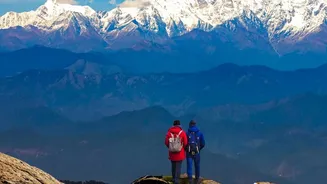
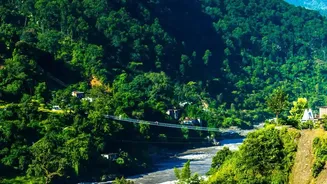
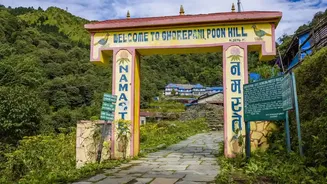
Today focuses on Yuksom's role as a premier trekking hub. The village is the official starting point for the world-renowned Goecha La and Dzongri treks, which lead deep into the Kanchenjunga National Park, a UNESCO World Heritage Site. It's crucial to understand that these are long, high-altitude treks requiring 6 to 12 days, significant preparation, and proper acclimatization—far beyond the scope of a short visit. Instead of embarking on a multi-day expedition, use this day for a beautiful day hike. You can explore the initial trail towards Sachen, the first campsite on the Goecha La route, to get a taste of the trek. This walk takes you across picturesque hanging bridges and through dense forests, offering a glimpse into the larger adventure. Alternatively, guided day hikes around the village explore local trails and viewpoints.
Day 5: Permits, Preparations, and Departure Planning
For any trek entering the Kanchenjunga National Park, including the Goecha La and Dzongri routes, a trekking permit is mandatory for all visitors, including Indian nationals. These permits are arranged through registered local trekking agencies in Yuksom and require photo ID and passport-sized photos. While your six-day itinerary doesn't include a long trek, understanding this process is key for future plans. Use the morning to visit a local agency, gather information, and perhaps plan a return trip for a longer expedition. In the afternoon, begin your journey back towards Siliguri. Driving part-way and staying overnight in a town like Jorethang or even back in Pelling will break up the long drive and ensure you're well-rested for your departure.
Day 6: Journey Back to the Plains
Enjoy a final Sikkimese breakfast with mountain views before completing your journey back to Bagdogra Airport or NJP station. The drive will take several hours, so an early start is essential to avoid any last-minute rush, especially if you have a flight or train to catch in the afternoon. Traffic on mountain roads can be unpredictable, so it's always best to budget extra time. As you descend, the landscapes will shift from alpine forests back to the lush greenery of the plains, leaving you with lasting memories of the tranquility and grandeur of West Sikkim and its historic gateway, Yuksom.