



Why Your Drink Deserves a Second Look
On a scorching day, nothing feels better than a cool drink. But while we are cautious about street food, we often grab a glass of sugarcane juice, lassi, or nimbu pani without a second thought. The reality is that contaminated beverages are a major source
of water-borne diseases like typhoid, cholera, hepatitis A, and diarrhoea. [6, 9, 11] These illnesses are not just caused by drinking unsafe water directly, but also through food and drinks prepared with it. The risk lies in the water used, the cleanliness of the equipment, and one major culprit that often goes unnoticed: ice. [9, 14]
The Hidden Dangers in Street-Side Refreshments
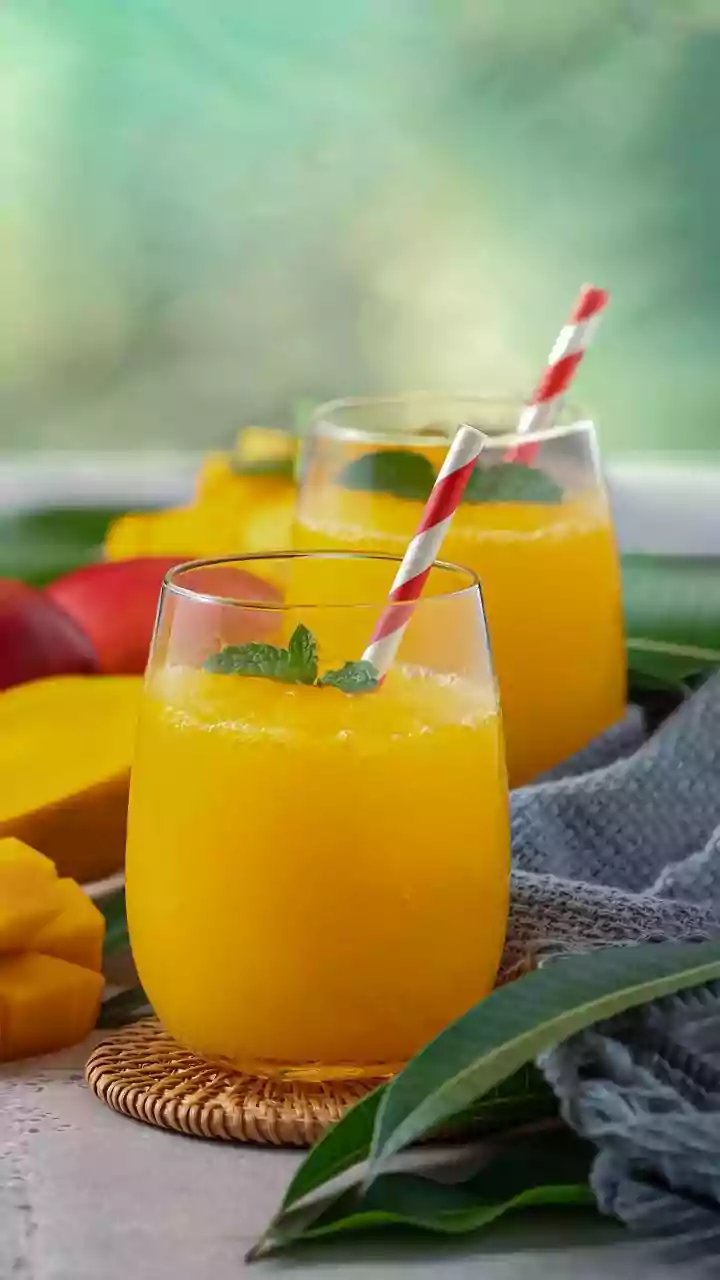
Street vendors offer a tempting array of fresh beverages that provide relief from the heat. However, the convenience can come at a cost. A study by India's National Institute of Nutrition found that a staggering 97% of fruit juice samples collected from street vendors were contaminated with pathogens like E.coli and Staphylococcus aureus. [15] The sources of contamination are numerous. Fruits may not be washed properly, the juicers and containers might be cleaned with non-potable water, and the vendor's own hand hygiene can be a factor. [14, 24] Furthermore, these drinks are often left exposed, attracting dust and flies, which can further transmit diseases.
That Cube of Ice Could Be Trouble
Even if you choose a bottled soda, adding ice from a street vendor can negate your safe choice. Much of the ice used in roadside stalls, often called "raw ice," is not made from potable water and may be contaminated with bacteria and pollutants. [17] This raw ice is often produced in large, unregulated blocks and transported in less-than-hygienic conditions, picking up dirt and germs along the way. Since it's meant for industrial cooling and not consumption, it doesn't meet safety standards. Consuming it can lead to a range of gastrointestinal illnesses. [17] When in doubt, it's always safest to ask for your drink without ice. [12]
Keeping Sips Safe in Your Own Kitchen
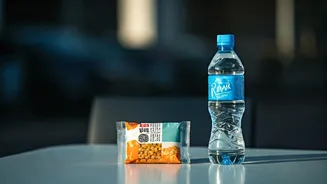
Beverage safety isn't just an outdoor concern. The reusable water bottle, a companion for many, can become a breeding ground for germs if not cleaned properly. [2, 4] Bacteria and mould thrive in moist environments, and studies have shown that unwashed bottles can harbour more bacteria than a toilet seat. [3, 5] Simply rinsing is not enough. It's essential to wash your bottle daily with soap and warm water, paying close attention to all the nooks and crannies like straws and lids where germs can hide. [3, 5] Allowing the bottle to air dry completely before the next use helps prevent mould growth. The material also matters; studies suggest glass surfaces tend to grow bacteria more slowly than plastic or even stainless steel. [7]
Your Checklist for Safer Sipping
Making safer choices doesn't mean giving up on all your favourite drinks. It's about being mindful and observant. When buying from a street vendor, choose stalls that are busy and look clean, as high turnover often means fresher ingredients. [24] Watch how the drink is prepared; if possible, ask for it to be made fresh in front of you. [16, 23] Reject any juices that have been pre-made and are sitting in jugs. [28] Always opt for sealed, packaged drinking water over loose water. [24] If you enjoy fresh juices, consider making them at home where you can control the quality of the water and the cleanliness of the equipment. Carrying your own water bottle filled from a trusted source is always the most reliable option.