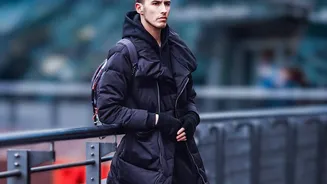

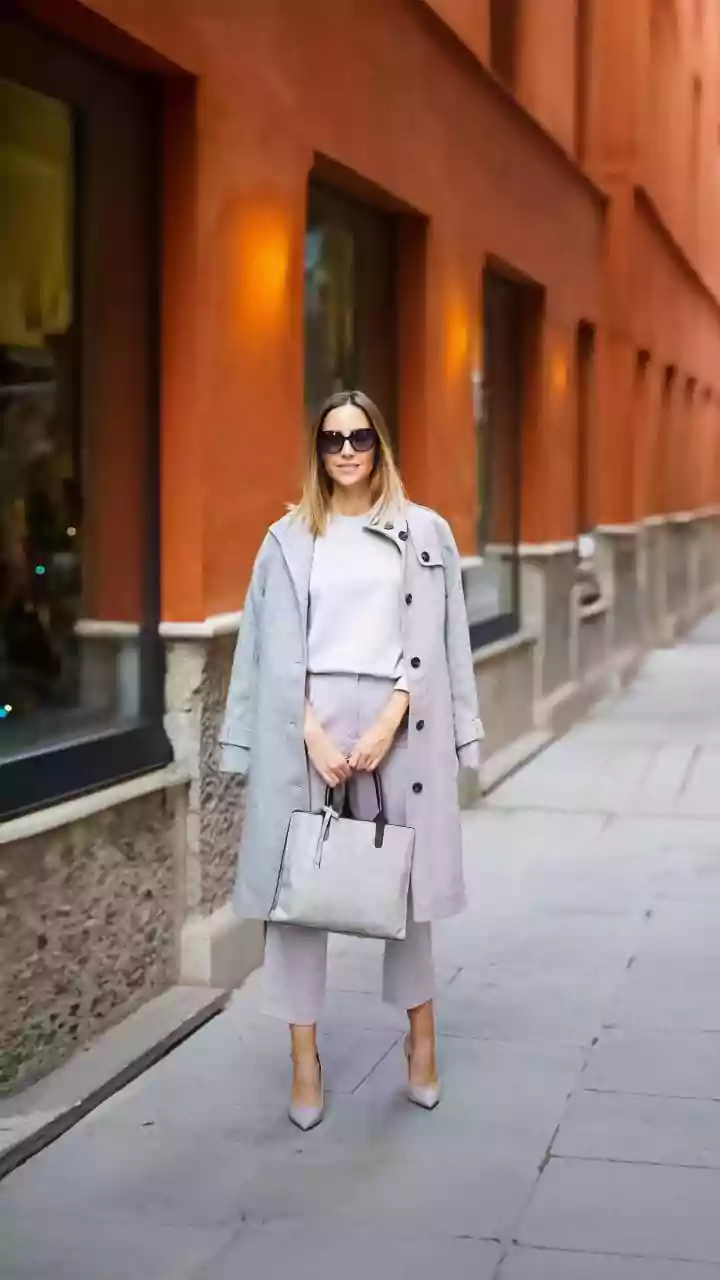

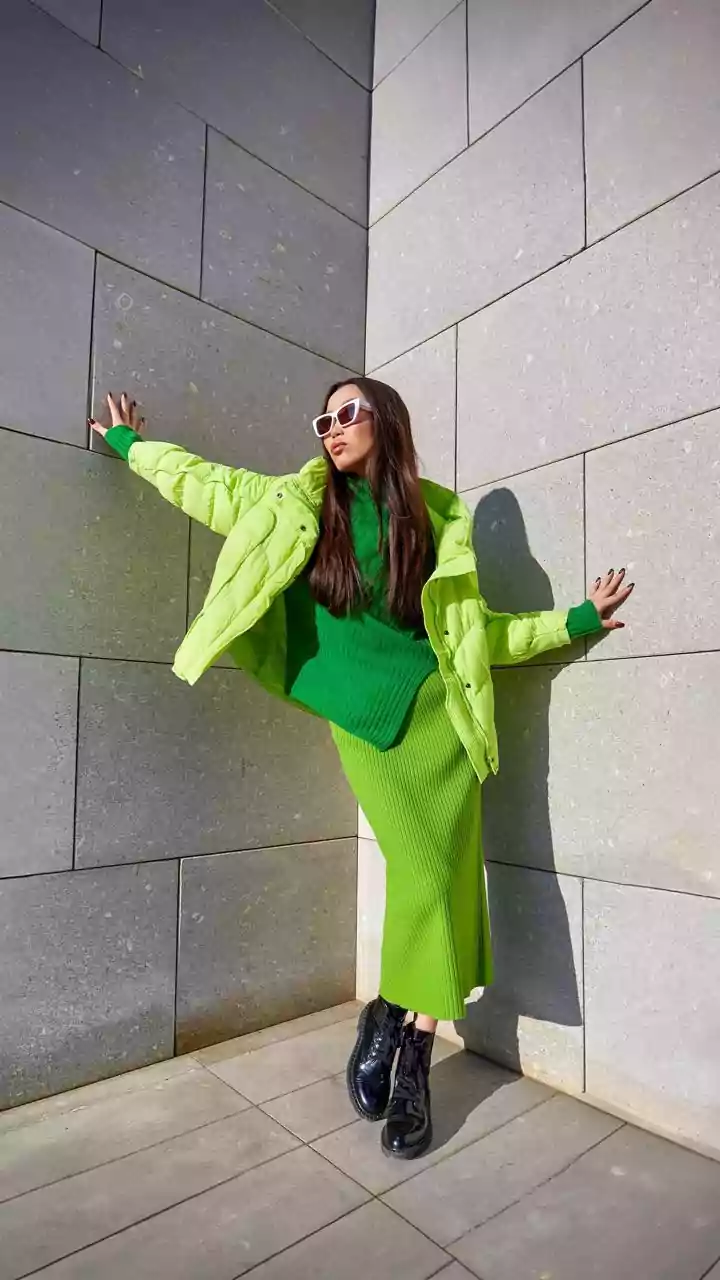



Winter layering is a masterclass in staying warm without looking like a shapeless marshmallow. The biggest culprit? That awkward bunching of fabric around your midsection. But the fix is surprisingly simple and sharp: it all starts with a tuck.
The Science of the Unflattering Bulge
Midsection
bunching happens for a simple reason: too much fabric with nowhere to go. When you layer multiple untucked pieces, like a T-shirt and a hoodie, the hems stack on top of each other. This creates a thick, horizontal band of material right around your waist and hips. Every movement you make causes these free-floating layers to shift, ride up, and fold over one another, resulting in a bulky, untidy look. It visually shortens your torso and hides your natural shape. Streetwear, with its emphasis on hoodies, overshirts, and relaxed fits, is particularly prone to this issue. The goal isn't to wear fewer layers, but to manage them more intelligently from the inside out.
The Foundation: Secure Your Base Layer
The single most effective trick is to secure your innermost layer. This is typically a T-shirt, long-sleeve tee, or even a thin thermal. By tucking this base layer neatly into your trousers, you create a smooth, uninterrupted line from your chest to your waist. This does two things: first, it anchors the entire outfit, preventing the base from riding up and taking other layers with it. Second, it creates a sleek canvas. Your middle and outer layers now have a smooth surface to drape over, rather than a lumpy, untucked shirt hem. For this to work best, the base layer should be relatively fitted and made of a thinner material like cotton, merino wool, or a performance blend. A bulky base will create lumps even when tucked.
Master the Art of the Tuck
Not all tucks are created equal. The right technique depends on the specific layer and the desired silhouette. For streetwear, the goal is often a look that feels deliberate but not overly formal. The 'French tuck', also known as a half-tuck, is your best friend here. This involves tucking just the very front of your middle layer (like a sweater or an overshirt) into your waistband, leaving the sides and back to hang loose. This small gesture defines your waistline, breaks up the bulk, and creates a stylishly relaxed shape without the commitment of a full tuck. For thinner shirts or a cleaner look, a 'military tuck' can be effective. This involves pinching excess fabric at your sides, folding it back into a neat pleat, and then tucking it in to create a sharp, flat front.
Tucking for Your Favourite Streetwear Fits
Let’s apply this to some classic streetwear combos. Wearing a T-shirt under a hoodie? Tuck the tee in completely. This keeps your base layer from peeking out messily from under the hoodie's waistband and prevents the dreaded 'double hem' look. Layering a flannel or overshirt over a tee? Tuck the tee, and then consider a loose French tuck on the overshirt itself to give the outfit shape. If you're wearing a chunkier knit sweater, a French tuck is almost mandatory to avoid looking rectangular. It hints at a waistline underneath and makes the whole outfit look more intentional. The key is that only the innermost layer gets a full, secure tuck; subsequent layers can be partially tucked or left loose for effect.
Choose Your Layers Wisely
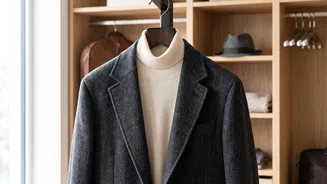
Finally, remember that tucking is a technique, not a magic fix for poor clothing choices. To truly master layering without bulk, fabric selection is key. Start with thin, breathable base layers and add progressively thicker layers on top. Avoid stacking multiple heavy-gauge fabrics. For instance, a thick fleece under a heavy wool coat is a recipe for bulk, no matter how you tuck. Instead, pair a midweight hoodie with a structured denim or bomber jacket. The contrast in fabric weights and textures not only looks better but also allows for more comfortable movement. The fit of your trousers also matters. Midrise or highrise styles provide a more secure waistband to tuck into, making the entire system more effective and keeping your carefully crafted layers in place all day long.