




Start at the City’s Pantry: The Market
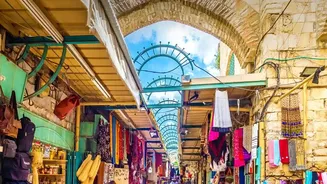
Forget the souvenir stalls. The best market is the one where locals actually shop. This is the city's living pantry and its original civic center. Here, you can learn more in an hour than in a day of sightseeing. Watch the interactions: the friendly haggling
between a vendor and a regular, the careful selection of produce, the reunions between neighbors. Markets are a sensory experience. Notice the smell of fresh bread, the vibrant colours of seasonal fruits, and the sounds of a community going about its day. These spaces are hubs for community life, often clustering food with other local services and cultural activities. By observing what’s for sale, you learn what people eat, what’s in season, and what matters to the local culture. It’s a delicious and direct line into the heart of a place.
Find a Seat in the City’s Living Room
Cafes have always been more than just places for coffee; they are social hubs that foster connection and community. Think of a local cafe as the city's living room—a 'third place' between home and work where the pulse of the neighborhood is most palpable. Find one that isn’t a global chain, take a seat, and just watch. Who comes in? Students with laptops, elderly friends meeting for their daily chat, business people taking a quick break. Cafes reflect the local culture and often act as platforms for local artists or noticeboards for community events. This is your chance to slow down. Instead of grabbing a coffee to go, sit and absorb the atmosphere. Eavesdrop a little, read a local paper, or simply watch the world go by. It’s in these quiet, in-between moments that a city’s true character often reveals itself.
Read the Stories on the Streets
The grand avenues are for show, but the side streets are where life happens. To really explore a city, you have to get a little lost. Step off the main tourist path and wander into residential neighborhoods. This is where you can 'read' the city like a text. Pay attention to the details: the style of the architecture, the plants on the balconies, the graffiti on the walls, the children's drawings taped in windows. These small observations tell a story about the people who live there, their history, and their values. Notice the sounds and smells, which can change dramatically from one block to the next. Walking a route you might normally drive gives you an entirely new perspective. Let your curiosity guide you; following a winding alley or an interesting sound can lead to the most memorable discoveries.
Adopt a Mindset of Slow Exploration
This method of travel is less about a checklist and more about a mindset. It's called 'slow travel', and it’s about making meaningful connections rather than rushing between landmarks. Instead of trying to see five things in a day, pick one anchor activity—like visiting a market or exploring a specific neighborhood. This gives you the mental and physical space to truly experience where you are. Stay longer in fewer places. This allows you to settle into the daily rhythm of a place and discover hidden gems you'd otherwise miss. The goal isn't to 'do' everything, but to feel something. By slowing down, you trade a frantic itinerary for genuine immersion, and the stress of a typical city break for a sense of calm and discovery.
Engage Gently and Respectfully
As you explore, remember that you are a guest in someone else's home. The most meaningful interactions come from a place of respect. Learn a few basic phrases in the local language—a simple 'hello' or 'thank you' can go a long way. When you enter a small shop or a cafe, make eye contact and offer a smile. Buy from local artisans and independent businesses; your money directly supports the community you're enjoying. Be a mindful observer, not an intrusive one. Ask for permission before taking someone's photo. Instead of just taking, find ways to give back, even if it's just with your patient and positive presence. True exploration is a two-way street, built on curiosity and mutual respect.