







A Renewed Focus on English Proficiency
New Zealand has long been a top destination for Indian students and professionals, known for its high-quality education and lifestyle. To maintain the integrity of its immigration and education systems, the country periodically updates its requirements.
Recently, there's been a significant focus on English language proficiency as a key pillar for successful integration. As of June 2026, these requirements were expanded for certain work visa categories, indicating a broader strategy to ensure all newcomers can effectively communicate and understand their rights and obligations in their new environment. This isn't about creating barriers but ensuring a smoother transition for migrants into New Zealand society and workplaces.
Why One Test Is Gaining Ground
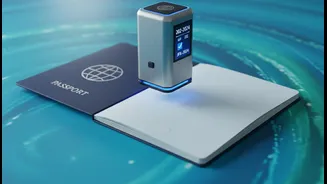
While New Zealand accepts several English tests, including IELTS and TOEFL, the Pearson Test of English (PTE) Academic has become a popular and trusted choice for many applicants. The reason lies in its modern, tech-driven approach. The PTE Academic is a computer-based test that uses Artificial Intelligence for scoring, which eliminates potential human bias and ensures consistency. For applicants, its biggest advantages are speed and flexibility. Results are typically available within 48 hours, a significant benefit for those on a tight visa application deadline. This rapid turnaround and objective evaluation are why many, including Immigration New Zealand, see it as a reliable measure of real-world English skills.
The 'Right' Test for Today's Applicant
The headline's idea of a "right test" is less about a single mandated exam and more about what the test represents: efficiency, objectivity, and accessibility. The PTE's format, where candidates interact with a computer, can be less daunting for those who feel nervous in a face-to-face interview setting, which is a component of the traditional IELTS test. The test assesses integrated skills—listening, reading, speaking, and writing—in a two-hour session. This integrated approach is seen as a better reflection of how language is used in academic and professional settings. With test centres running daily in major hubs, booking a slot is often easier, adding another layer of convenience for aspiring students and migrants from India.
What This Means for Indian Applicants
For the thousands of Indian students and skilled workers planning a move to New Zealand, these developments are crucial. While the choice of test (PTE, IELTS, etc.) is still yours, understanding the benefits of a fast, computer-scored test can be a strategic advantage. Score requirements vary by visa and institution. For example, a student visa for an undergraduate degree might require a PTE score of 50-57, while postgraduate programs and permanent residency applications often require scores of 58 or even 65 and above. This shift comes at a time when New Zealand is also making it easier for Indians in other ways, such as recently adding India to the List of Qualifications Exempt from Assessment, which speeds up visa processing by removing the need for a separate qualification check for many degrees.
How to Prepare for the New Landscape
The key takeaway for any prospective applicant is preparation. First, confirm the specific English language requirements for your desired university course or visa category directly from the institution or Immigration New Zealand's official website. While one test might offer advantages in speed or format, your personal strengths should guide your choice. If you are a confident typist and prefer objective AI scoring, the PTE might be a natural fit. If you are more comfortable with a human interviewer and the possibility of a one-skill retake, IELTS could be the better option. Regardless of the test you choose, achieving the required score is non-negotiable. Focusing on improving your all-round English ability is the most fundamental step toward a successful application.