




The Effortless Charm of Going Native
Why are so many urban gardeners turning to native species? The logic is simple: these plants are already winners. Having evolved in your local environment for centuries, they are perfectly adapted to the climate, soil, and rainfall patterns. This means
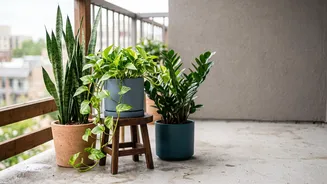
they are naturally more resilient and require significantly less intervention. Forget constant watering, complex fertilisers, and a cabinet full of pesticides. Native plants are inherently low-maintenance because they are already at home. They are fine-tuned to survive local conditions, from the dry heat of Gujarat to the humidity of the coast. This adaptation translates into less work for the gardener and a more robust, thriving green space. Furthermore, choosing native plants helps restore a small piece of the local ecosystem, attracting beneficial pollinators like bees, butterflies, and birds, creating a vibrant, living balcony.
Kitchen Staples That Thrive in Pots
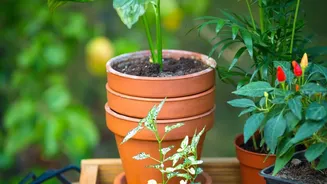
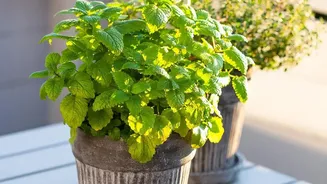
Some of the most popular native plants are already beloved staples in the Indian kitchen. Growing them on your balcony provides both convenience and freshness. Tulsi (Holy Basil) is a prime example; it is revered for its spiritual and medicinal properties, thrives in direct sunlight, and acts as a natural mosquito repellent. Another essential is the Curry Leaf plant (Kadi Patta). While it may start slow, it grows into a long-term companion, providing aromatic leaves for countless dishes with minimal fuss. For those who enjoy a fresh cup of tea, Lemongrass is a tough, sun-loving grass that is easy to harvest and adds a wonderful aroma to your balcony. Even chillies and mint (pudina) are excellent container plants that are productive in the warmth of Indian weather.
Bring Colour and Fragrance with Native Flowers
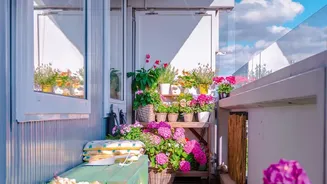
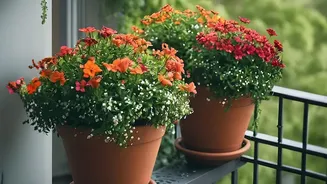
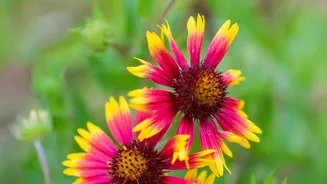
A native garden is far from just green. India's indigenous flora offers a spectacular array of colours and scents perfect for pots and railings. Marigolds (Genda) are a classic choice, celebrated for their bright orange and yellow blooms and their ability to act as a natural pest deterrent for other plants. For intoxicating evening fragrance, nothing beats Jasmine (Mogra), whose white blossoms can perfume an entire balcony. Hibiscus (Gudhal) is another favourite, producing large, vibrant blooms daily and attracting sunbirds and butterflies. For a touch of vivid blue, the Aparajita (Butterfly Pea) is a fast-growing creeper that looks stunning on a trellis and its flowers can be used to make herbal tea. Ixora, with its dense clusters of red, orange, and pink star-shaped flowers, also blooms nearly year-round in much of India.
Simple Steps to Get Started
Starting your native plant journey is straightforward. The first step is to observe your balcony's sunlight. Most flowering and edible plants will need at least four to six hours of direct sun. When choosing pots, simple plastic or terracotta pots with good drainage holes are perfectly adequate. For soil, a basic mix of garden soil, compost, and coco-peat (in a 1:1:1 ratio) provides a great start for most plants. The best place to source your plants is a local nursery. Ask for plants that are native to your specific region; the staff can often provide the best advice on what thrives locally. Don't be afraid to start small. Pick one or two plants, like Tulsi or a Marigold, see how they fare, and let your confidence and your garden grow from there.