


Jamun (Indian Blackberry)
The quintessential monsoon fruit, the deep purple Jamun is a seasonal star. Its unique sweet and tart flavour is a nostalgic taste for many. Jamuns are an excellent source of iron, antioxidants, and vitamin C, which is crucial for fighting off common
monsoon infections like the cold and flu. This fruit is particularly noted for its properties that help in regulating blood sugar levels, making it a great choice for diabetics. When shopping, look for fruits that are plump, firm, and have a dark, uniform colour. Avoid those that are mushy or have blemishes. Enjoy them fresh, perhaps with a sprinkle of black salt to enhance the flavour.
Plums (Aloo Bukhara)
These smooth-skinned, round fruits are a refreshing snack during the humid monsoon months. Plums come in various colours, from deep red to purplish-black, and have a delightful sweet-tart taste. They are packed with dietary fibre, which helps aid digestion—a common concern during the monsoon when our metabolism can feel sluggish. Plums are also a good source of antioxidants. For the best taste, choose plums that are slightly soft to the touch but not mushy, and have a rich, even colour. They are perfect for eating fresh or adding to salads.
Peaches (Aadu)
Known for their fuzzy skin and fragrant, sweet flesh, peaches are a popular monsoon delicacy. This juicy fruit is rich in vitamins A and C, which support immune health and skin vitality. The antioxidants in peaches can help your body combat seasonal illnesses. When selecting peaches, look for a creamy-gold to yellow background colour. A ripe peach will give slightly when gently pressed and have a sweet aroma. They are best enjoyed fresh to savour their unique flavour and pulpy texture.
Litchi
Though they appear towards the end of summer, litchis are still widely available in the early weeks of the monsoon, especially in northern and eastern India. Their rough, reddish-pink skin peels away to reveal a sweet, translucent flesh with a floral taste. Litchis are a great source of vitamin C and other essential nutrients that help boost the immune system. They are also incredibly hydrating. Look for litchis that have a vibrant red, firm shell. Avoid those with cracked or darkened skin, as they may be overripe.
Pomegranate (Anar)
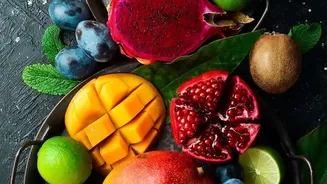
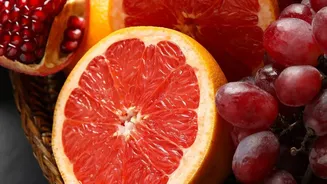
Available for a long stretch during the monsoon, pomegranates are a powerhouse of nutrition. The jewel-like seeds, or arils, are packed with antioxidants and have anti-inflammatory properties that can help protect the body against infections. They are a rich source of vitamin C, which is vital for a strong immune system during the rainy season. When picking a pomegranate, choose one that feels heavy for its size, which indicates it's full of juice. The skin should be firm, smooth, and have a deep red colour. A ripe pomegranate will often make a metallic sound when tapped.
Cherries
Cherries make a welcome appearance during the Indian monsoon, offering a burst of sweet and slightly tart flavour. These small, red fruits are not just delicious but are also a source of antioxidants and can help reduce inflammation. Their short season, primarily peaking in June and extending into early July, makes them a special treat. When buying cherries, look for those that are plump, firm, and have a bright, glossy colour with fresh green stems still attached. They are a wonderful, healthy snack to enjoy while watching the rain.