








The Science Behind the Sip
The main issue lies with how your body processes medication. Many drugs, including some common antibiotics, are broken down in the liver and small intestine by a family of enzymes called cytochrome P450, particularly one named CYP3A4. This enzyme system
acts like a gatekeeper, metabolising drugs so they can be used by the body and then eliminated. However, certain compounds found in citrus fruits can interfere with this crucial process. The most well-documented culprit is grapefruit, but other citrus fruits like pomelos, Seville oranges (often used in marmalades), and tangelos can also have a similar effect.
The Grapefruit Effect Explained
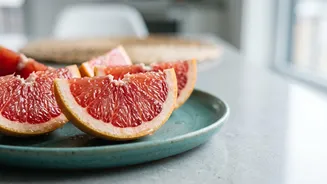
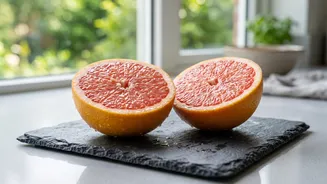
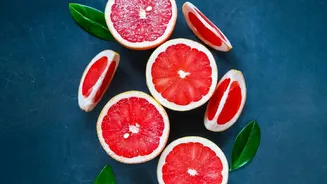
Grapefruit and certain other citrus fruits contain natural chemicals called furanocoumarins. These compounds are potent inhibitors of the CYP3A4 enzyme. When you drink grapefruit juice, furanocoumarins essentially shut down the CYP3A4 enzymes in your gut. Instead of being properly metabolised, more of the drug passes from your intestine into your bloodstream. This can lead to dangerously high levels of the medication in your body, increasing the risk of side effects and toxicity. Taking a single pill with a glass of grapefruit juice can be like taking multiple pills with water. This effect isn't brief; it can last for up to 72 hours, meaning you can't simply space out your medication and juice consumption.
Two Types of Interference
While the headline focuses on slowing absorption, citrus juice can interfere with medications in two primary ways. The first, as described with grapefruit, is blocking the enzyme that breaks down the drug, which actually increases its concentration in the blood to potentially toxic levels. The second mechanism involves different compounds in juices, including orange and apple juice, which can block special proteins called transporters in the gut. These transporters help move certain drugs into the body's cells. When they are blocked, less of the drug is absorbed, reducing its effectiveness. The allergy medication fexofenadine (Allegra) is a well-known example of a drug that becomes less effective when taken with apple, orange, or grapefruit juice.
Which Antibiotics Are Affected?
Not all antibiotics are impacted by citrus. The interaction is specific to drugs that are metabolised by the CYP3A4 enzyme. Some macrolide antibiotics, such as erythromycin, are known to interact this way. However, the acidity in citrus juices can also be a problem for other types of antibiotics, like penicillin. The high acid content can break down these drugs before they are properly absorbed, reducing their overall effectiveness. Because the list of interacting drugs is long and includes medications for many conditions beyond infections (like statins, blood pressure medications, and anti-anxiety drugs), it's a critical issue to be aware of.
Best Practices for Effective Treatment
So, what's the safest way to take your antibiotics? The simplest answer is with a full glass of plain water. Water doesn't interfere with absorption or metabolism and helps ensure the pill travels smoothly to your stomach. Always read the pharmacy label and patient information leaflet that comes with your prescription, as it will contain specific warnings about food or drink interactions. Calcium-rich foods and drinks, like milk and fortified juices, can also interfere with the absorption of certain antibiotics, such as tetracyclines and fluoroquinolones, so it's wise to separate them from your medication dose by a few hours.