


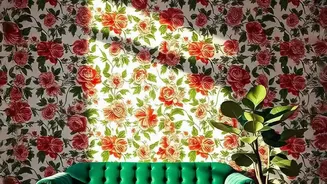
Beyond a Simple Pop of Colour
For years, the formula for a 'bold' living room was simple: place a brightly coloured sofa in an otherwise neutral space. It was an easy, effective way to create a focal point. But in 2026, our design sensibilities have evolved. The new bold-sofa revival
moves beyond this one-dimensional approach. It acknowledges that true impact isn't just about hue; it's about the interplay of shape, texture, and its relationship to the room itself. Designers and homeowners in India are embracing a more holistic view, where the sofa is an integrated architectural element, not just a colourful afterthought. This shift is seeing a move towards earthy tones, rich textures, and sculptural forms that make a statement through their presence and proportion.
The New Importance of Room Scale
At the heart of this trend is the concept of 'scale', which refers to the size of your sofa relative to the dimensions of your room. A hulking, oversized sofa can make a small apartment feel cramped, while a delicate, small-scale piece can get lost in a large, open-plan living area. The 2026 approach is about finding the right balance. Before buying, measure your room, noting ceiling height and the placement of doors and windows. In larger rooms with high ceilings, you can afford to be brave with a taller, deeper sofa that has a significant physical presence. For more compact homes, a 'bold' choice might be a sleek, low-profile sofa whose form is interesting, but its scale is appropriately managed to maintain a sense of openness. The goal is harmony, ensuring the sofa feels like it belongs.
Boldness Through Form and Texture
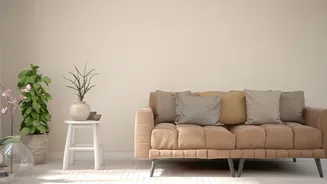
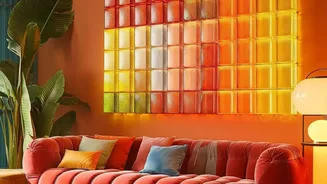
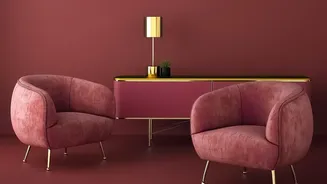
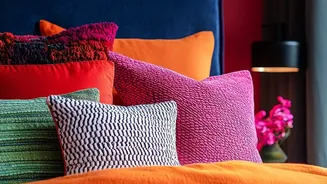
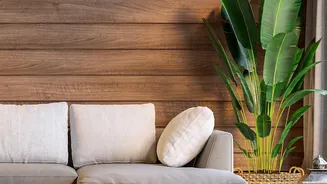
This year, 'bold' is being redefined by silhouette and material. We're seeing a surge in sofas with dramatic, sculptural forms—think deep curves, asymmetric shapes, and modular pieces that can be reconfigured. These designs make a statement regardless of their colour. A large, curving sectional in a warm cream bouclé, for example, is undeniably bold because its form commands attention and invites touch. Texture adds another layer of impact. Rich velvets, tactile bouclés, and even patterned fabrics like modern florals or geometric prints are gaining traction. These materials add visual weight and character, allowing even sofas in muted colours like olive green or terracotta to become the centrepiece of a room.
Colour's More Strategic Role
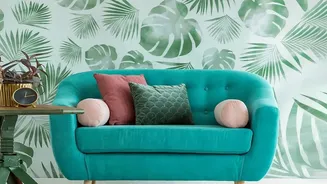
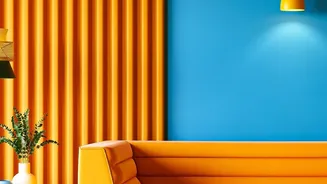
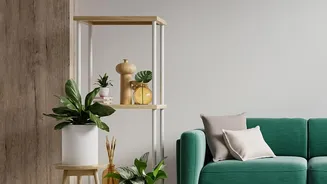
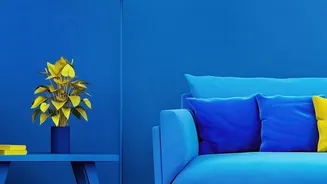
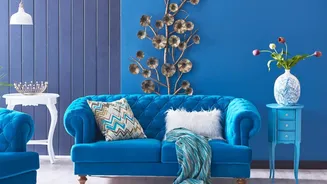
This isn't to say colour is irrelevant. On the contrary, colour is being used more thoughtfully than ever. The primary brights of past trends are giving way to a more sophisticated palette. Deep jewel tones like emerald green, sapphire blue, and rich ruby are popular, adding depth and a sense of luxury. Earthy, grounded colours such as burnt orange, mustard, and deep indigo are also trending, especially in Indian homes, as they create a warm and inviting atmosphere. The key difference is that these colours are now part of a complete package. A designer might choose a deep blue velvet not just for the colour, but for how the light hits the texture and how its grand scale anchors a large room.
Making the Trend Work for You
To embrace this revival, start by assessing your space. Create a floor plan, even a simple sketch, to visualize how a new sofa will fit. Consider not just the footprint but also the 'negative space'—the empty area around it that allows the design to breathe. If you have a large living area, don't be afraid of a sofa with a substantial form. It will anchor the space and can even be used to create zones, like separating a seating area from a dining space. In a smaller home, focus on a unique shape or rich texture on a more compact frame. A two-seater loveseat with a curved back in a beautiful fabric can have more impact than a generic three-seater that merely fills the space. Always remember to choose the main piece, like the sofa, first, as it will establish the scale for everything else in the room.