


The True Cost of Celebration
From Diwali to Christmas, festivals are central to Indian culture, marked by vibrant decorations and enthusiastic gifting. However, this annual cheer often comes with a significant environmental price tag. The demand for new, often single-use, decorative
items and the packaging from mass-produced goods contribute to overflowing landfills. A recent survey highlighted that while a majority of consumers are now making conscious eco-friendly decisions, the challenge of festive waste remains substantial. This has created an urgent need for alternatives that align the spirit of celebration with the principles of sustainability, moving away from a use-and-throw culture towards more mindful consumption.
From Trash to Treasure
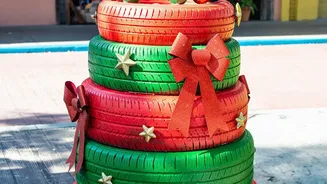
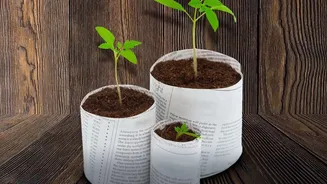
Enter the upcycling artisan. Across the country, a new generation of creators sees immense potential where others see waste. They are innovators who are reviving traditional craft techniques while tackling pressing ecological issues. This is not just about recycling; it's about upcycling—transforming materials of lesser value into something more beautiful and functional. Discarded fabric scraps, plastic bottles, old newspapers, coconut shells, and even industrial waste are becoming the raw materials for exquisite handcrafted goods. These artisans are at the forefront of a movement that proves sustainability can be stunning, blending resourcefulness with deep-rooted artistic heritage.
The Art of Transformation
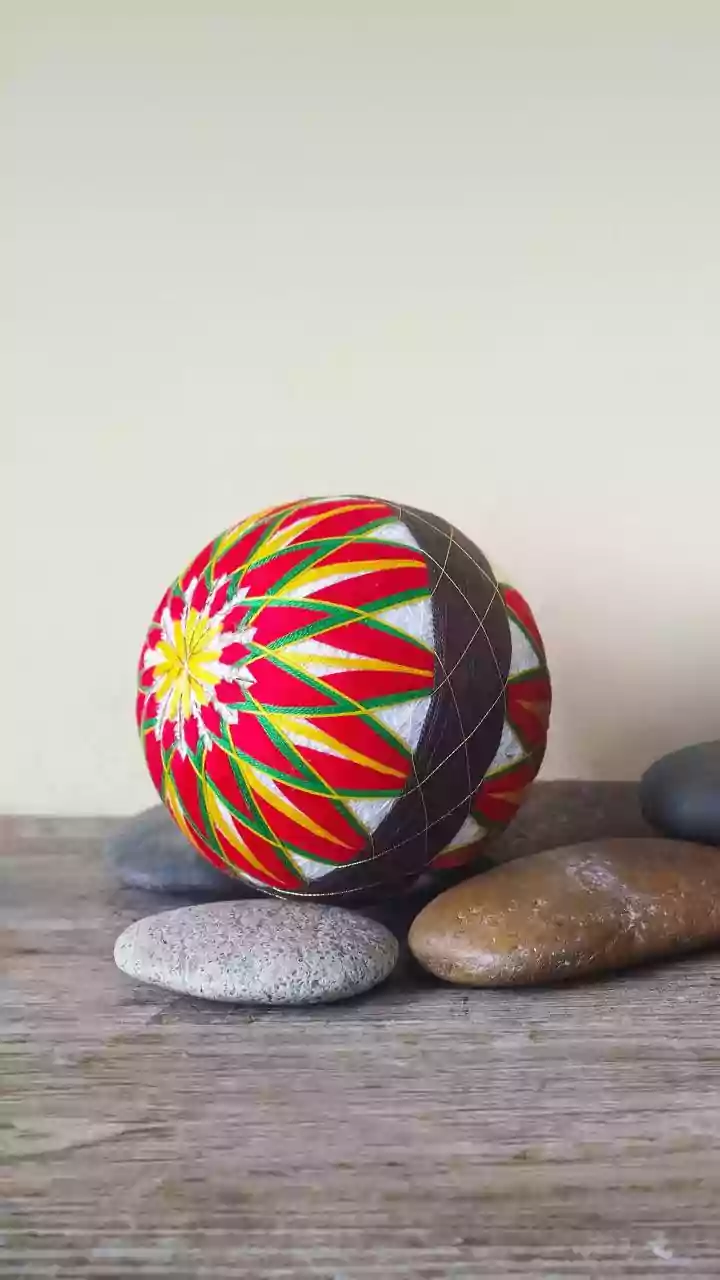
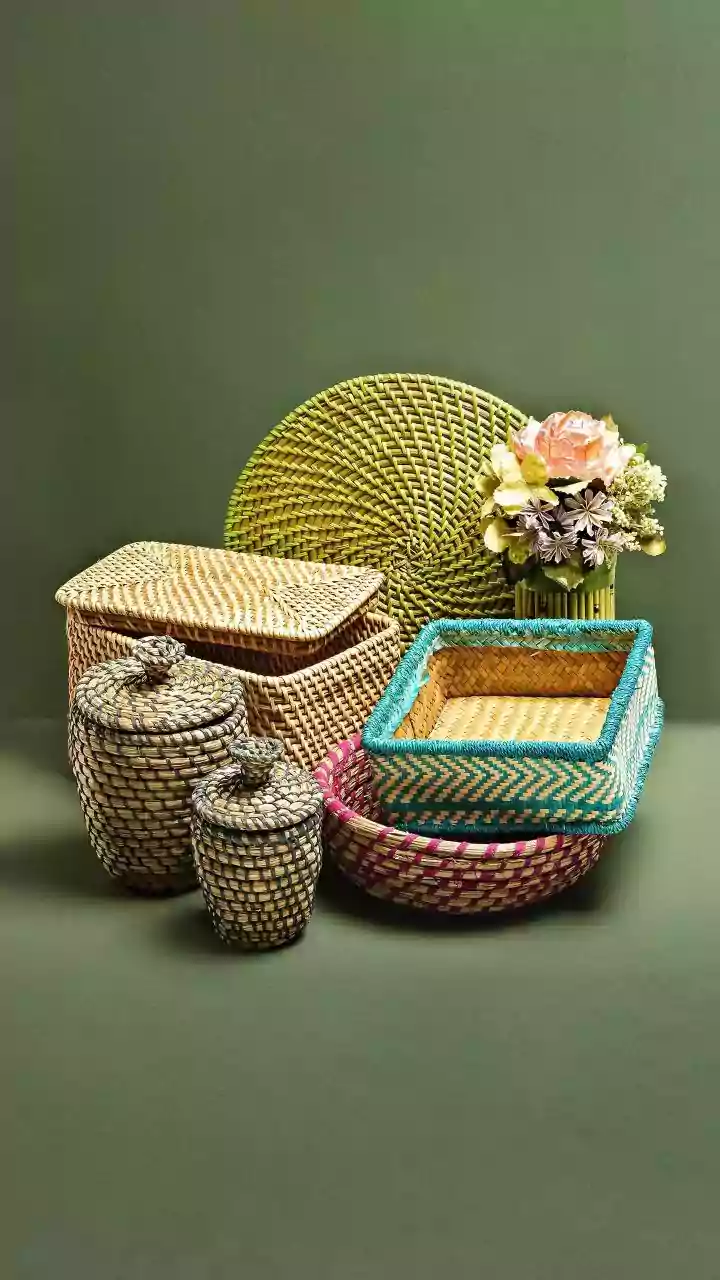
The creative process is a blend of ingenuity and tradition. In West Bengal, women practice Kantha embroidery, stitching together layers of old sarees to create vibrant quilts and cushion covers. In parts of Maharashtra, fabric remnants are braided into colourful 'Chindi' rugs, ensuring no two pieces are alike. Artisans are transforming glass jars into intricate lanterns, weaving discarded plastic into durable bags, and moulding scrap metal into unique sculptures using ancient Dhokra art techniques. In Jaipur, the celebrated Blue Pottery tradition is being reinvented using repurposed industrial waste. This process is more than just assembly; it's a thoughtful reimagining of materials, giving them a second life as festive decor, lighting, and thoughtful gifts.
A Story in Every Piece
Choosing an upcycled handicraft is about more than just making an eco-friendly purchase; it's about acquiring an item with a unique history and character. Unlike mass-produced decorations that are identical and disposable, each upcycled piece tells a story of transformation. It carries the imprint of the artisan's skill and the history of its original material. “One weaver's rejected scrap can become part of a doll's story,” says one creator who turns handloom offcuts into fabric dolls. This approach not only extends the life of the materials but also helps preserve traditional craft forms like Warli painting or Pattachitra, applying them to new, sustainable canvases. Consumers are increasingly seeking this emotional connection, moving towards gifts that feel meaningful and rooted in conscious consumerism.
Challenges on the Path to Green
Despite growing consumer awareness, the path for upcycling artisans is not without its hurdles. They face stiff competition from cheap, machine-made goods that dominate the market. Scaling production while maintaining the handmade quality is another significant challenge, as is the high cost associated with sustainable production. Changing long-standing consumer habits and perceptions around 'waste' materials requires continuous effort. However, the future looks promising. With a rising demand for sustainable products and the growth of online platforms that connect artisans directly with buyers, the space for eco-friendly festive shopping is expanding. These creators are not just selling products; they are championing a circular economy and a more thoughtful way of life.