

Not All Processing Is a Problem
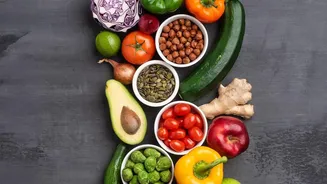
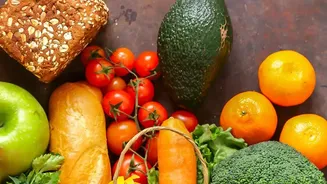
The term 'processed food' covers a vast spectrum. At one end, you have minimally processed items, which are altered for convenience but remain close to their natural state. Think of pre-cut vegetables, roasted nuts, pasteurised milk, or frozen peas. These
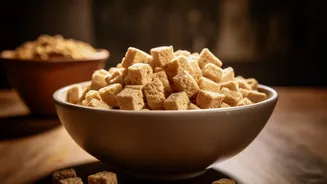
foods are often perfectly healthy and can be huge time-savers. In the middle are processed foods with added ingredients like oils, sweeteners, or spices for flavour and texture, such as jarred pasta sauce or yogurt. The real concern lies with 'ultra-processed foods' (UPFs). These are industrial formulations made with substances not typically used in a home kitchen, engineered to be intensely palatable and shelf-stable. Examples include sugary breakfast cereals, instant noodles, and packaged chicken nuggets. The key is to understand this difference, not fear the word 'processing' itself.
Become an Expert Label Reader
The nutrition label is your most powerful tool, mandated by the Food Safety and Standards Authority of India (FSSAI). First, always check the serving size. A small packet of chips might list calories for a serving of only 10 chips, but most people consume the entire bag. Pay close attention to ingredients, which are listed by weight from highest to lowest. If sugar, salt, or maida (refined flour) are among the first few ingredients, it’s a red flag. Be wary of marketing terms like "natural" or "healthy"; the ingredient list and nutrition panel tell the real story.
The Three Culprits: Sugar, Salt, and Fat
Most health concerns with packaged foods boil down to high levels of three ingredients: sugar, sodium (salt), and unhealthy fats. Sugar hides under many names, including high-fructose corn syrup, dextrose, sucrose, and invert syrup. Products marketed as 'no added sugar' can still contain high levels of natural sweeteners. For sodium, anything over 400mg per 100g is generally considered high and can contribute to blood pressure issues. When it comes to fats, avoid trans fats completely. Even if a label says "0g trans fat," check the ingredient list for "partially hydrogenated oils," which is a source of trans fat. Limiting saturated fat is also a good practice for heart health.
When Packaged Food Can Be Your Friend
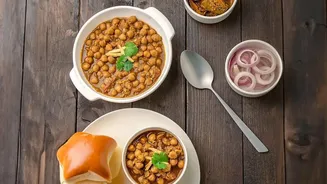
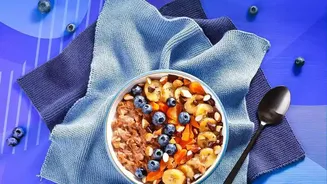
Dismissing all packaged items means missing out on convenient, affordable, and nutritious options. Canned legumes like chickpeas or rajma are excellent sources of protein and fibre. Fortified milk and cereals can provide essential vitamins and minerals like calcium and Vitamin D. Plain yogurt, whole-grain oats, frozen fruits and vegetables, and whole-wheat bread are other examples of processed foods that can easily fit into a healthy diet. These items help make healthy eating achievable on busy days, reduce food waste, and ensure you have pantry staples on hand for quick, nutritious meals. Processing like pasteurisation also plays a key role in food safety by killing harmful bacteria.
Making Smarter Choices, Not Perfect Ones
The goal is not to achieve a diet free of any packaged foods, but to make conscious, informed decisions. A simple rule of thumb is to choose products with short ingredient lists that feature whole foods you recognise. Another strategy is to compare brands. If you need a quick snack, look for the option with lower sugar and sodium content. Debates are ongoing in India about implementing clearer front-of-pack labels, such as warning symbols for foods high in sugar, salt, or fat, which could make these quick comparisons even easier for consumers in the future. Ultimately, it's about shifting the balance of your shopping cart towards more minimally processed items while strategically using other packaged goods to support your lifestyle.