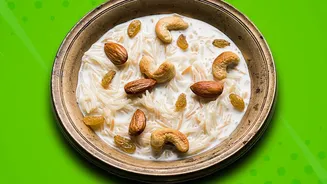




Sabudana for a Quick Energy Boost
Sabudana, or tapioca pearls, is a fasting staple for a reason. It is packed with carbohydrates, providing a quick and easily digestible source of energy to fuel your day. Its high starch content is rapidly converted into glucose, which helps in replenishing
energy stores efficiently, making it ideal for fasting. Whether prepared as a savoury khichdi with peanuts or a creamy kheer, sabudana is versatile and satisfying. To make it even healthier, pair it with protein-rich foods like peanuts or yogurt and opt for steaming or light sautéing instead of deep-frying.
Vrat Flours for Sustained Fullness
Flours like Kuttu (buckwheat), Singhara (water chestnut), and Rajgira (amaranth) are excellent alternatives to regular grains during Sawan fasts. These gluten-free flours are rich in protein, fibre, and essential minerals like iron and magnesium. Kuttu ka atta, in particular, is deeply satisfying and provides sustained energy. You can use these flours to make rotis, puris, cheelas, or parathas. Dishes made from these flours keep you feeling full for longer, helping to stabilise energy levels throughout the day.
Samak ke Chawal, the Healthy Millet
Often called 'vrat ke chawal', Samak ke Chawal or barnyard millet is not a true rice but a type of millet. It's a fantastic food for fasting as it's light, easy to digest, and rich in dietary fibre and protein. Its high fibre content promotes a feeling of fullness, while its low-calorie nature makes it a healthy choice. It can be used to make pulao, khichdi, or even kheer, providing a nutritious and filling meal that gives you the right kind of energy to get through long fasting hours.
Dairy for Protein and Calcium
Milk and dairy products like paneer and curd (yogurt) are permitted during Sawan fasts and are nutritional powerhouses. They are excellent sources of high-quality protein, which helps in maintaining muscle health and improving satiety, preventing hunger pangs. Curd and buttermilk are also great for gut health due to their probiotic content. A bowl of curd, a few cubes of paneer, or a glass of milk can keep you feeling full and energised.
Fruits for Natural Sugars and Hydration
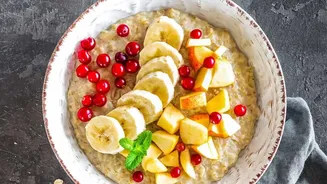
Fruits are a cornerstone of any healthy fasting diet. They are a source of natural sugars, vitamins, minerals, and hydration. Bananas provide potassium and instant energy, while apples are rich in fibre, and pomegranates are packed with antioxidants. A simple fruit chaat, seasoned with rock salt (sendha namak) and a pinch of black pepper, can be a refreshing and energy-boosting snack between meals.
Nuts and Dry Fruits for Healthy Fats
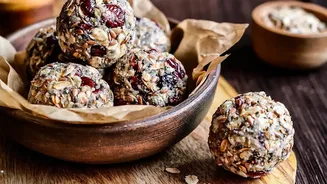
For a quick and sustained energy boost, a handful of nuts and dry fruits is an excellent choice. Almonds, walnuts, cashews, dates, and raisins are packed with healthy fats, protein, and essential minerals. They are nutrient-dense and help keep you feeling full and energetic. You can eat them as a standalone snack or add them to kheer, smoothies, or fruit salads for extra nutrition and crunch.
Don't Forget to Hydrate
Maintaining hydration is just as important as eating the right foods, especially during the humid monsoon weather when Sawan falls. Thirst can often be mistaken for hunger, so it's crucial to drink plenty of water throughout the day. Besides water, you can have coconut water, which is rich in electrolytes, or homemade drinks like buttermilk (chaas), lassi, and lemon water with rock salt to stay refreshed and hydrated.