


The Rain-Soaked Summons
It begins with a scent — petrichor, the earthy perfume of rain hitting dry soil. Then comes the sound, a gentle pitter-patter that grows into a steady drumming on the windowpane. The world outside turns a soft, hazy grey. Inside, a different kind of alchemy
is at work. A primal, uniquely Indian instinct awakens. It’s the sudden, unshakeable need for something hot, something spicy, and something impossibly crunchy. This isn’t just hunger; it's a nostalgic call-to-arms against the damp gloom. It’s the summons for pakoras. This isn't a decision made with the head, but with the heart—and a memory bank filled with countless rainy afternoons. The cool, wet weather demands a counterpoint, a sizzling, golden-brown rebellion served on a plate.
Anatomy of a Champion
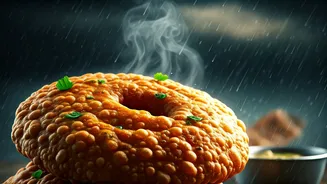
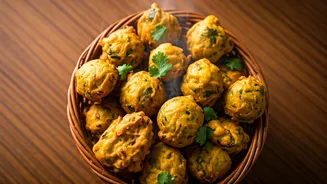
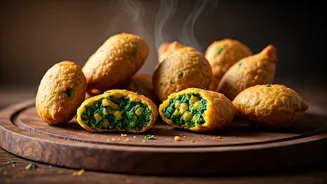
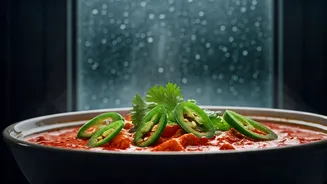
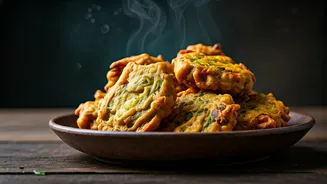
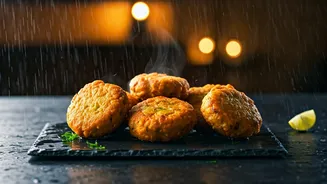
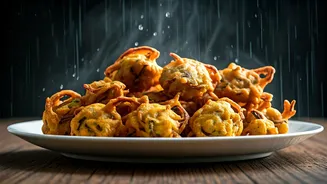
What is this champion of the monsoon? At its heart, the pakora is a marvel of simplicity. A humble vegetable—a slice of potato, a sliver of onion, a leaf of spinach, a fiery green chilli—is lovingly dunked in a spiced batter of besan (gram flour) and plunged into hot oil. It emerges moments later, transformed. It’s no longer just a vegetable; it’s a vessel of texture and flavour. The genius lies in its versatility. The pakora is not a single entity but a whole genre of snack. There’s the ubiquitous onion pakora, its sweet and sharp strands held together in a crispy web. There’s the comforting aloo pakora, a soft, fluffy potato slice encased in a crunchy shell. For the brave, the mirchi bajji offers a jolt of heat. Every household has its own secret ratio of spices in the batter—a pinch more ajwain for digestion, a dash of red chilli powder for kick, a whisper of turmeric for colour.
A Symphony for the Senses
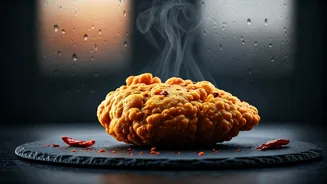
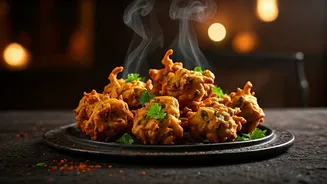
The magic of the pakora on a rainy day is a full-body experience. It’s a direct assault on the monsoon melancholy. First, there's the sound: the sizzle in the pan is the prelude, but the real music is the audible *crunch* with the first bite, a sound that cuts through the drone of the rain. Then, the texture: the crisp, almost jagged exterior gives way to a soft, steamy interior. It’s a delightful contrast that keeps you coming back for more. The temperature itself is a comfort, the searing heat a perfect antidote to the damp chill in the air. And, of course, the taste. The earthy besan, the subtle sweetness of the onion or potato, and the warm embrace of spices create a flavour profile that feels both exciting and deeply grounding. Paired with a tangy green chutney or a sweet-sour tamarind dip, it’s a complete sensory reset.
The Social Fabric of Fritters
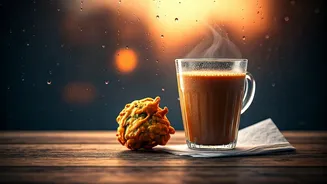
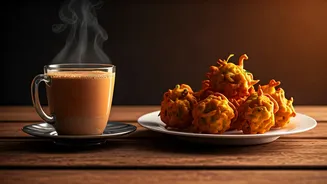
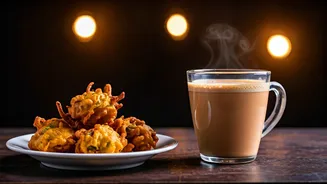
The pakora is more than a snack; it's a social catalyst. The announcement, "Let's make pakoras," can change the entire mood of a household. It signals a shift from individual activities to a collective, kitchen-centric gathering. Someone chops the onions, another mixes the batter, and a designated expert often mans the hot kadai, carefully turning the fritters until they reach the perfect shade of gold. It’s a ritual. The first batch, often misshapen and eagerly snatched straight from the draining plate, is a cook’s privilege. The rest are piled high and served alongside another rainy-day essential: a steaming cup of adrak wali chai. This combination—pakora and chai—is a cornerstone of Indian comfort. It’s the fuel for hours of conversation, board games, or simply watching the rain, a shared experience that strengthens bonds and creates memories.
A Hero with Many Faces
While the onion pakora might be the most common protagonist, this hero wears many masks across India. Travel south, and you might find the formidable mirchi bajji, a whole chilli pepper filled with spices and deep-fried, a test of courage and a delight for spice lovers. In Maharashtra, you have kanda bhaji, where thinly sliced onions are the undisputed star. In the east, you might find fritters made from lentils or even flowers. The core concept remains the same—a crispy, batter-fried delight—but the local ingredients and tastes give it a unique identity. This adaptability is the secret to its widespread appeal. From the bustling street-side stalls where a vendor expertly flips dozens at a time, to the quiet comfort of a family kitchen, the pakora is a unifying force, a snack that belongs to everyone and every region, yet feels deeply personal.