



The Living Curtain Concept
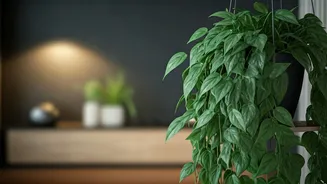
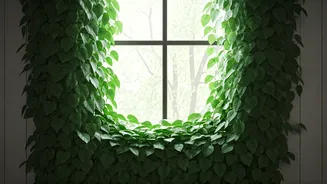
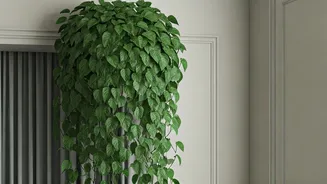
The idea is elegantly simple: instead of fabric curtains, you guide the long, trailing vines of a houseplant to grow along your curtain rod. [12] This creates a beautiful, organic frame around a window, filtering light softly and bringing a dynamic, living
element into the room. It’s a high-impact, low-cost design choice that has gained popularity for its ability to soften a room's lines and add a touch of lush, jungle-like charm. [13] The Heartleaf Philodendron, with its fast-growing and flexible vines, is the perfect candidate for this project. [10]
Why the Heartleaf Philodendron is Perfect
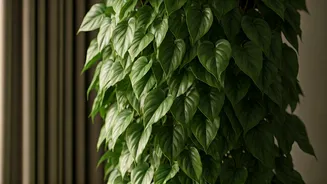
Not all vining plants are created equal for this task. The Heartleaf Philodendron (Philodendron hederaceum) is a standout choice for several reasons. It's famously low-maintenance and forgiving, making it ideal for beginners. [23] Its vines are long, flexible, and grow quickly, meaning you won’t wait forever to see results. [3] This plant is also highly adaptable to various indoor light conditions, thriving in the bright, indirect light typically found near a window without being scorched by direct sun. [1, 4] Its classic heart-shaped leaves provide a dense but delicate cascade of greenery that looks stunning year-round. [10]
What You Will Need
Gathering your materials is straightforward and budget-friendly. You will need: * **A healthy Heartleaf Philodendron:** Choose a plant with several long, established vines for a head start. * **A sturdy curtain rod:** Ensure it’s securely mounted to support the eventual weight of the mature plant. A matte-finish wood or coated metal rod is ideal, as bare metal can get too hot in the sun. [6] * **A pot and saucer:** Position the pot on a shelf, stool, or stand near one end of the curtain rod. * **Small, clear adhesive hooks or soft plant ties:** These will be used to gently guide the vines along the rod. Avoid using wire or anything that could cut into the stems. [18] Soft, stretchy plant tape or velcro ties are excellent choices. [6]
A Step-by-Step Guide to Your Green Curtain
Setting up your living curtain is a quick process, but training the plant takes a little patience. 1. **Position Your Plant:** Place your potted philodendron on a stand or shelf near the end of the curtain rod, ensuring it gets adequate indirect light. Watering it a couple of hours beforehand can make the stems more flexible and less prone to snapping. [15] 2. **Drape the Vines:** Gently lift the longest vines and drape them over the curtain rod. Don’t pull them taut. 3. **Secure Gently:** Use clear adhesive hooks placed on top of or behind the rod to cradle the vines. Alternatively, use soft plant ties to loosely loop around the vine and the rod. [6] Ensure there is slack to allow for growth and movement; you should be able to slip a finger underneath the tie. [6] 4. **Space It Out:** Secure the vines every six inches or so, creating a gentle, draping effect. Overcrowding can trap moisture and block airflow, so give the leaves room to breathe. [6]
Training, Care, and Maintenance
Your role now becomes that of a gentle guide. As new growth appears, continue to tuck and guide the vines along the rod. Periodically check your ties to ensure they aren't becoming too tight, as this can damage the stems. [6] Water your philodendron when the top inch or two of soil feels dry, but be careful not to overwater, which can cause yellowing leaves. [1, 4] Since it's a fast grower, you can prune any leggy or sparse stems to encourage fuller, bushier growth. [5] Simply snip off the excess vine, which you can easily propagate in water to create new plants. [1]
Styling and Variations
Once you master the basic setup, you can get creative. For a fuller look, place a plant at each end of the rod and train the vines to meet in the middle. You can also mix in other easy-care vining plants like Pothos for textural contrast. [16] For a touch of whimsy, intertwine a string of delicate fairy lights along the rod with the vines, creating a magical glow in the evening. This project is not just about decorating; it’s about collaborating with a living thing to create a unique and evolving piece of art in your home. [19]