


The Backlash Against 'Fast Furniture'
For years, the promise of affordable, trendy furniture that could be easily replaced was tempting. This era of 'fast furniture'—much like fast fashion—prioritised low costs and fleeting styles over durability and craftsmanship. The result? Homes filled
with pieces made from particleboard and MDF that would warp, peel, and break, often ending up in a landfill within a few years. Indian consumers are now growing weary of this disposable cycle. The environmental toll is significant, from deforestation to chemical pollution and landfill waste. There's a rising awareness that a cheap price tag often hides the true cost to the planet and the buyer's own wallet in the long run. This dissatisfaction has opened the door for a more thoughtful approach to furnishing a home.
More Than Just a Bargain
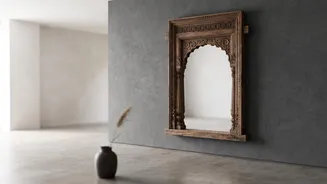
While affordability is certainly a driver, the shift to second-hand is not solely about saving money. Many are discovering that the resale market is a treasure trove of unique, high-quality pieces that mass-produced retail cannot offer. Think of a solid sheesham or teak wood dining table from two decades ago; its structural integrity and character can far surpass a brand-new laminate alternative at a similar price. This trend is about seeking character, history, and a story. Homeowners are looking for items that bring a sense of personality and permanence to their spaces, moving away from the cookie-cutter aesthetics often found in mainstream catalogues. The appeal lies in finding a distinctive piece that makes a home truly individual.
A Smart Move for Sustainability
Environmental consciousness is a powerful motivator behind the growing appeal of pre-owned furniture. Choosing second-hand is a direct contribution to the circular economy, a model that emphasizes reusing and refurbishing items to extend their lifecycle. Every pre-loved desk or chair purchased is one less item in a landfill and reduces the demand for new raw materials, which in turn helps conserve resources like wood and water and lowers carbon emissions from manufacturing and transport. As consumers become more aware of their environmental footprint, buying used furniture is seen as a practical and impactful way to embrace a more sustainable lifestyle.
Where to Find Your Next Treasure
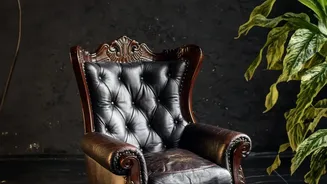
The hunt for second-hand gems in India has never been easier, thanks to a mix of digital platforms and traditional markets. Online marketplaces like OLX, Quikr, and Facebook Marketplace have become go-to destinations for finding everything from vintage armchairs to sturdy wooden beds. These platforms connect buyers directly with sellers in their own cities, making logistics simpler. Beyond the big names, dedicated furniture resale sites and curated Instagram stores are also gaining traction, offering a more selective inventory. For those who prefer a hands-on approach, local antique shops and flea markets remain invaluable resources for discovering pieces with a rich past.
The Joy of Making It Your Own
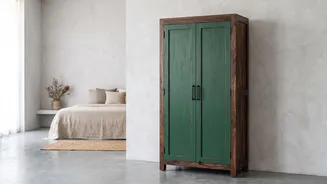
Another facet of the second-hand trend is the rise of upcycling and restoration. A structurally sound but cosmetically worn piece of furniture presents a creative opportunity. With a bit of effort, an old cabinet can be transformed with a fresh coat of paint, or a vintage chair can be reupholstered with a modern fabric. This process not only breathes new life into an old item but also allows homeowners to add a personal touch, creating a truly bespoke piece. In India, the cost of professionally refinishing solid wood furniture is often a fraction of buying a new, lower-quality equivalent, making it both an economical and creative choice.