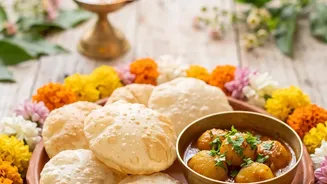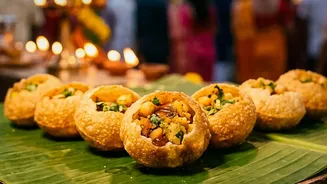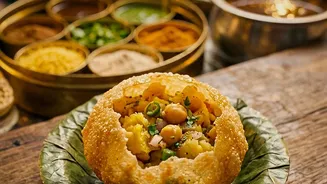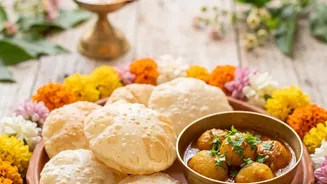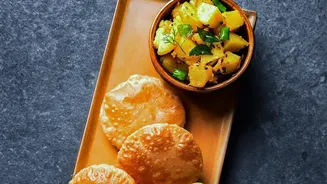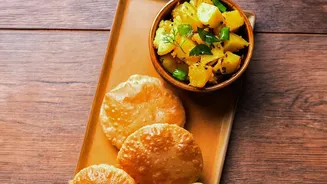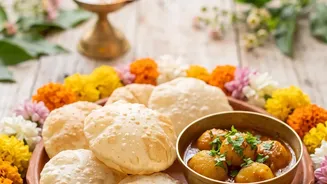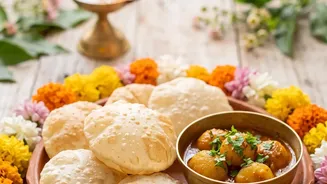



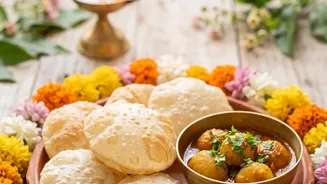
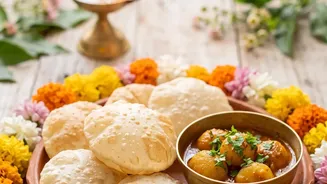
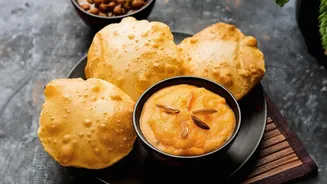
It’s a sight that evokes comfort: a golden, puffed-up puri alongside a steaming bowl of spicy sabzi. This beloved combination is more than just a meal; it's a taste of home and celebration. But how did this duo become a breakfast icon across India?
The Ancient Origins of Puri
The
story begins with the puri, a food with roots deep in Indian history. The name itself is derived from the Sanskrit word 'purika'. This simple, deep-fried bread has been a part of the subcontinent's culinary landscape for centuries, long before its famous partner arrived. In Vedic times, foods were often classified as 'pucca' (cooked with pure ghee) and 'kaccha' (raw or water-cooked). Because it was fried in ghee, puri was considered a 'pucca' food, making it pure enough for religious ceremonies and festive occasions. This sacred status meant puri was initially reserved for celebrations and rituals, a special treat rather than an everyday item.
An Unlikely but Perfect Partner
The 'sabzi' in puri sabzi, most famously made with aloo (potato), is a much more recent addition. The classic spicy potato curry we know and love simply couldn't have existed in ancient India for a simple reason: the main ingredients weren't there. Potatoes, along with tomatoes and chillies, were introduced to India by Portuguese and Spanish traders in the 16th and 17th centuries. It took time for these foreign vegetables to be adopted into local cuisines, but the potato, in particular, was a game-changer. Its versatility and ability to absorb spices made it the perfect, hearty companion for the crispy, airy puri.
From Celebration Food to Breakfast Staple
So, how did this combination make the leap from a special-occasion dish to a breakfast favourite? The transition happened gradually, particularly in North India. As cities grew, so did the culture of street food. Vendors and roadside stalls, or 'dhabas', needed to offer meals that were quick, affordable, and filling enough to power a day's work. Puri sabzi fit the bill perfectly. It provided a delicious, high-energy start to the day for labourers, travellers, and office-goers alike. This accessibility helped shift its perception from a purely festive food to a beloved daily ritual for many.
A Tapestry of Regional Flavors
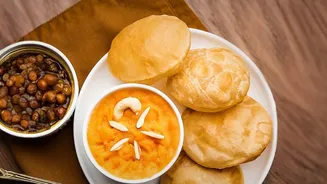
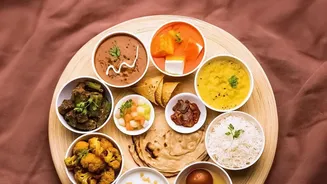
While the North Indian style of aloo sabzi with wheat-flour puris is the most iconic version, the dish transforms as you travel across the country. In Bengal and Assam, you'll find 'luchi', a softer puri made from refined flour (maida), typically served with a lightly spiced potato dish called 'aloor dum' or a lentil curry known as 'cholar dal'. In Gujarat, the puris might be spiced with turmeric and carom seeds, served alongside a sweet and tangy potato curry or shrikhand. In states like Uttar Pradesh and Madhya Pradesh, you might find 'bedmi puri', a heartier version stuffed with a spiced lentil paste. Down south, puris are often paired with a different style of potato masala or even sambar.
The Secret to Its Enduring Charm
The enduring appeal of puri sabzi lies in its perfect contrast of textures and tastes. The crisp, puffy puri gives way to a soft interior, creating the ideal vessel to scoop up the flavourful, often spicy, curry. It’s a combination that is both incredibly simple and deeply satisfying. Beyond the taste, the dish is steeped in nostalgia and cultural significance. For many, it evokes memories of lazy Sunday mornings, festive family gatherings, or the simple joy of grabbing a hot plate from a street vendor. It’s a culinary emblem that binds communities and generations.