

The Plant Protein Puzzle
Proteins are made of building blocks called amino acids. There are nine essential amino acids that our bodies cannot produce, so we must get them from food. Animal products are 'complete' proteins, meaning they contain all nine. Most plant foods, however,
are 'incomplete', as they are low in one or more of these essential amino acids. This doesn't mean plant-based diets are inferior; it just means a little food wisdom is needed. The concern isn't just about total protein quantity but about protein quality—having the right balance of amino acids to effectively build and repair tissues, a process vital for muscle recovery.
A Perfect Nutritional Partnership
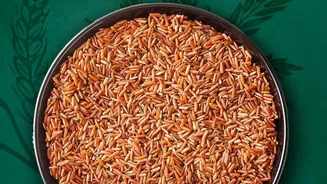
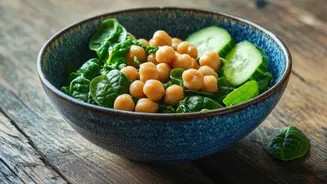
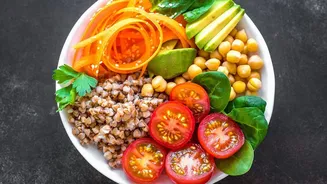
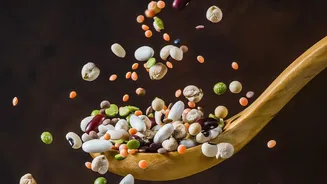
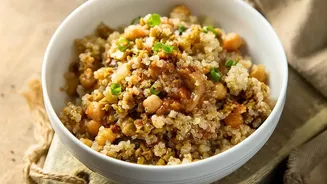
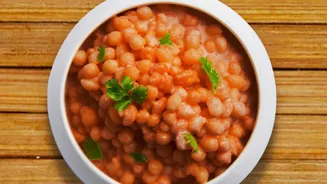
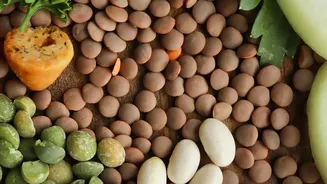
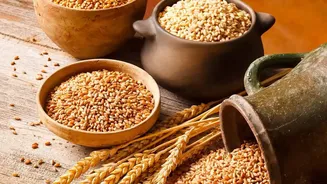
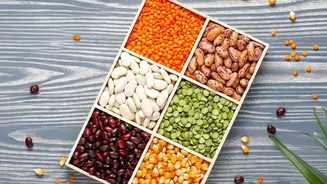
This is where combining foods comes in. Whole grains like rice, wheat, and millet are typically low in the essential amino acid lysine but rich in methionine. Legumes—such as lentils, chickpeas, and beans—are the perfect partners because they are rich in lysine but low in methionine. When you eat them together, their amino acid profiles complement each other, creating a complete protein source that provides your body with all the essential building blocks it needs. This synergistic effect ensures your body can efficiently carry out functions like muscle protein synthesis, which is crucial for repairing the micro-tears in muscles that occur during exercise.
Fueling Your Post-Workout Recovery
After any physical activity, from a brisk walk to a strenuous gym session, your muscles need to repair and rebuild. Providing them with a complete protein source is essential for this process. Consuming a meal that combines grains and legumes after a workout helps kickstart muscle recovery by supplying a full spectrum of essential amino acids. This not only helps in building lean muscle but also reduces muscle soreness and prepares your body for your next activity. While you don't necessarily need to combine these foods in the exact same meal—your body can pool amino acids throughout the day—consuming them together in a post-recovery meal is an effective strategy.
A Tradition of Strength in Indian Kitchens
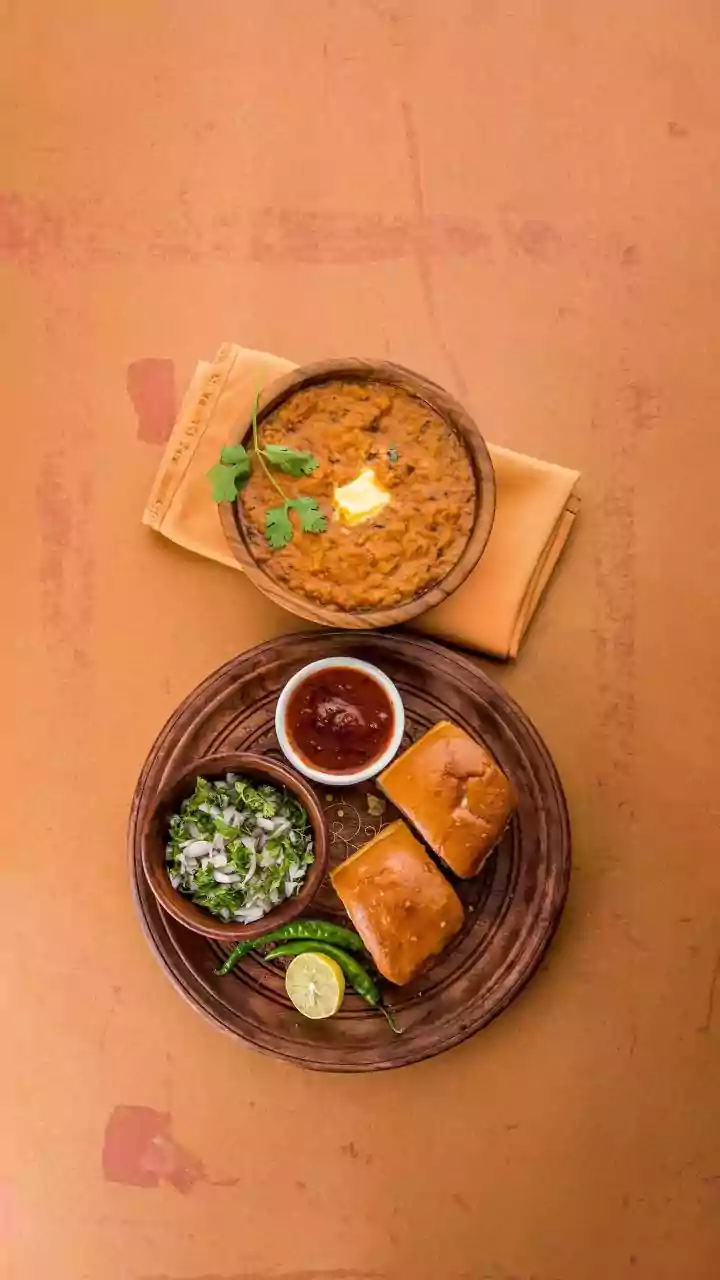
The good news for anyone following an Indian diet is that this principle is already deeply embedded in our traditional cuisine. Many of our most beloved comfort foods are perfect examples of combining grains and legumes. Think of dal with rice or roti, a classic pairing across the subcontinent. Rajma-chawal is another powerhouse combination. The humble khichdi, made from rice and moong dal, is a complete protein meal often recommended for recovery. In the south, idli or dosa (made from fermented rice and urad dal) served with sambar (a lentil-based stew) accomplishes the same nutritional goal. These meals aren't just delicious and comforting; they are scientifically sound ways to get high-quality plant-based protein.
Simple Ways to Power Up Your Plate
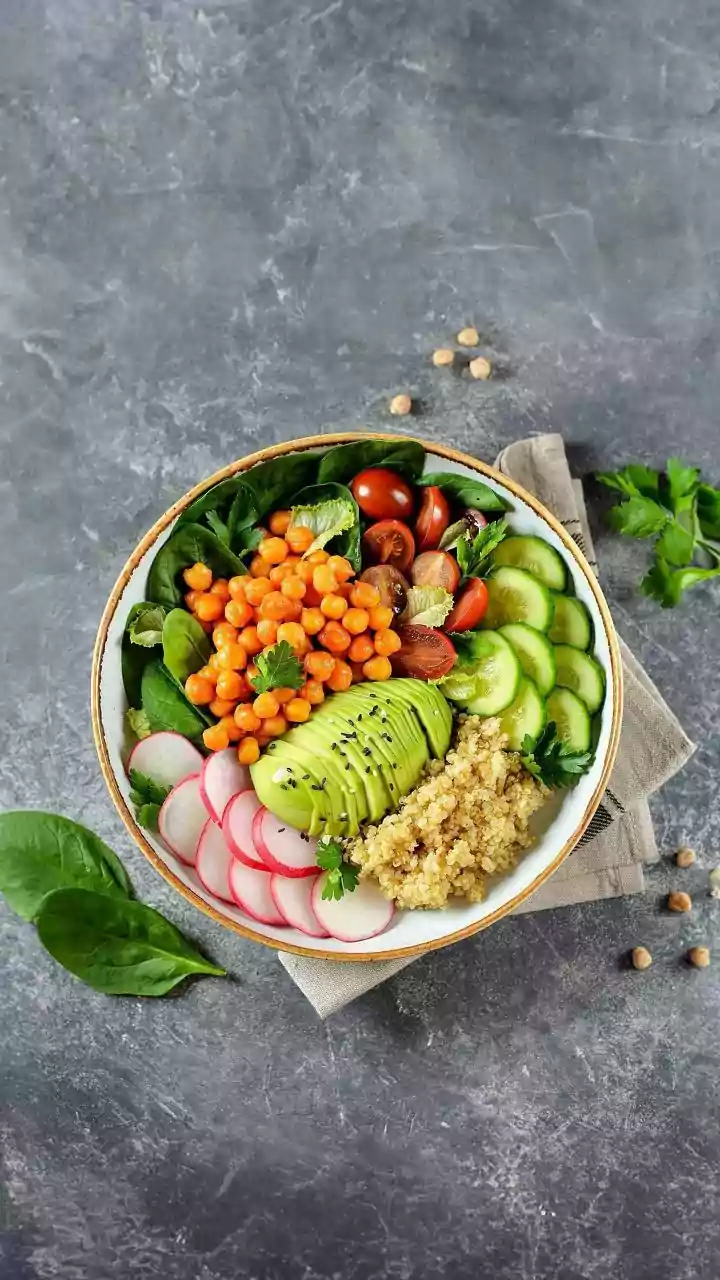
Optimizing your protein intake doesn't require a major dietary overhaul. It's about being mindful of this pairing principle. Start your day with whole-grain toast topped with peanut butter. For lunch, a simple chickpea curry with a side of brown rice or quinoa is an excellent choice. Snacks can also be a great opportunity; hummus (made from chickpeas) with whole-wheat pita is a classic example. Even something as simple as a salad can be enhanced by adding both a grain like barley and a legume like chickpeas or kidney beans. By incorporating these simple and delicious combinations into your daily routine, you can ensure your body has everything it needs to recover, rebuild, and thrive on a vegetarian diet.