





A Splash of Colour in the Concrete Jungle
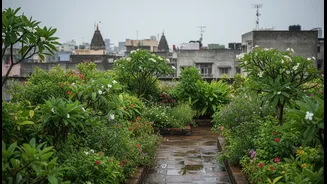
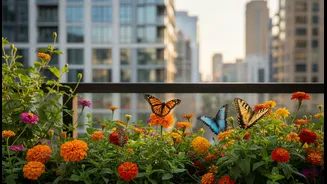
From Mumbai to Delhi, a growing number of urban residents are transforming small spaces into vibrant sanctuaries for butterflies. This trend is about more than just pretty flowers; it's a conscious effort to reconnect with the natural world, a desire
fuelled by a greater awareness of environmental issues and a search for mental peace in a hectic world. These pocket-sized ecosystems are popping up on high-rise balconies, in school yards, and as corporate social responsibility projects. They represent a powerful citizen-led movement to bring biodiversity back into our cities, one fluttering wing at a time. The appeal is simple: it’s an accessible, affordable hobby that offers immense satisfaction and a tangible way to make a positive environmental impact, no matter how small your living space may be.
More Than Just a Pretty Sight
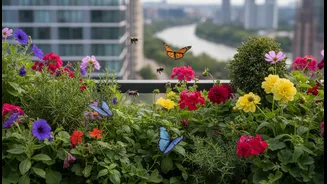
While the sight of colourful butterflies is a reward in itself, these gardens serve a critical ecological function. Butterflies are important pollinators, responsible for helping many flowering plants reproduce. With natural habitats shrinking due to urbanisation, butterfly populations are under threat. Urban butterfly gardens act as crucial 'nectar corridors' or stepping stones, creating a network of safe havens that allow these insects to navigate hostile city landscapes. Unlike a purely ornamental garden, a butterfly garden is a complete ecosystem designed to support the entire lifecycle of these insects. By attracting butterflies, these spaces also welcome other beneficial pollinators like bees, birds, and beetles, boosting local biodiversity in unexpected places.
The Butterfly Effect on Wellbeing
The benefits of this trend extend deep into human wellness. The simple act of tending to plants and watching a garden come to life is a powerful antidote to urban stress. Many enthusiasts describe the process as a form of active mindfulness, a way to disconnect from screens and engage with the gentle rhythms of nature. It offers a daily dose of wonder, from spotting a tiny egg on a leaf to watching a caterpillar transform and a new butterfly take its first flight. For families, it’s an invaluable educational tool, teaching children about life cycles, ecology, and the importance of conservation in a hands-on, engaging way. These gardens become living classrooms, fostering a sense of curiosity and environmental stewardship from a young age.
Your Guide to Creating a Butterfly Haven
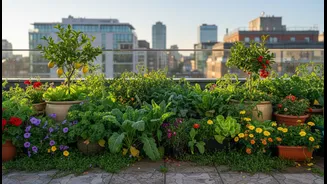
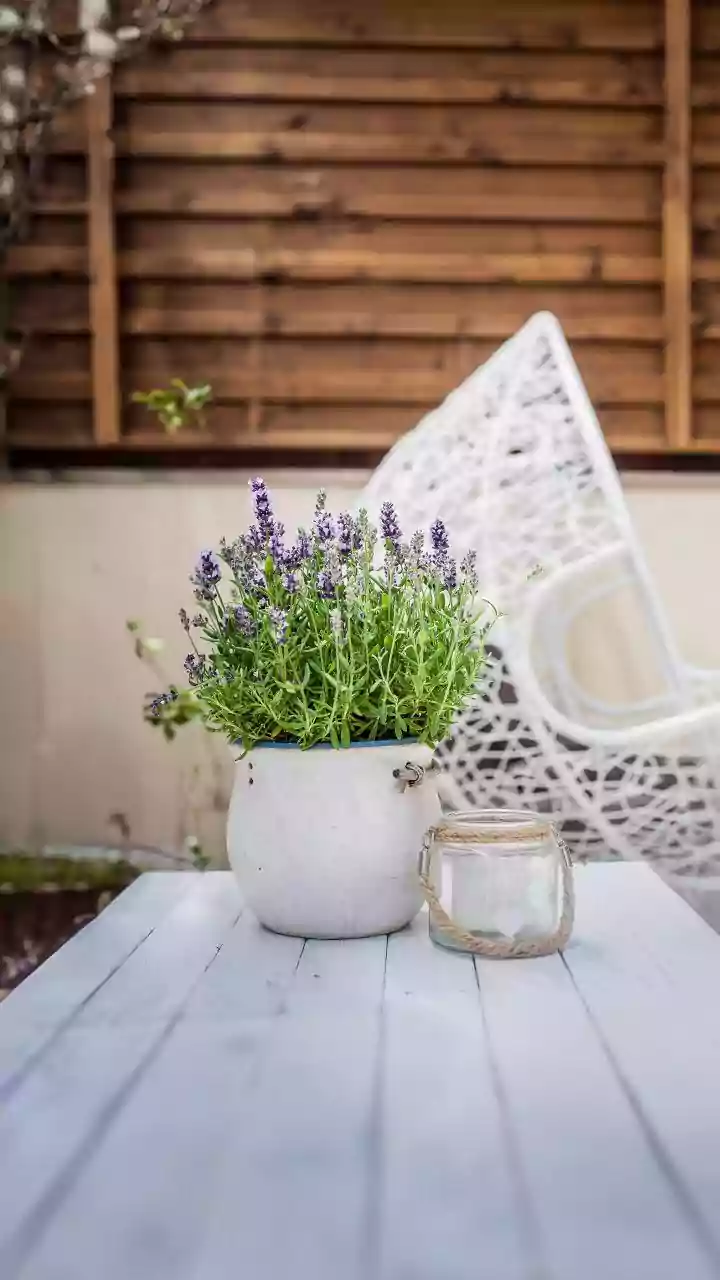
Tempted to start your own? The good news is, you don’t need a large space. A sunny balcony, a window box, or a small patch on a terrace is all it takes. The first step is to provide for the butterfly's complete lifecycle. This means you need two types of plants: larval host plants, where butterflies lay their eggs and caterpillars feed, and nectar plants, which provide food for adult butterflies. Butterflies love the sun, so choose a spot that gets at least five to six hours of direct sunlight. Finally, and most importantly, you must avoid all chemical pesticides and insecticides. These are fatal to butterflies and caterpillars and will quickly undo all your hard work.
Plant These to Attract Butterflies
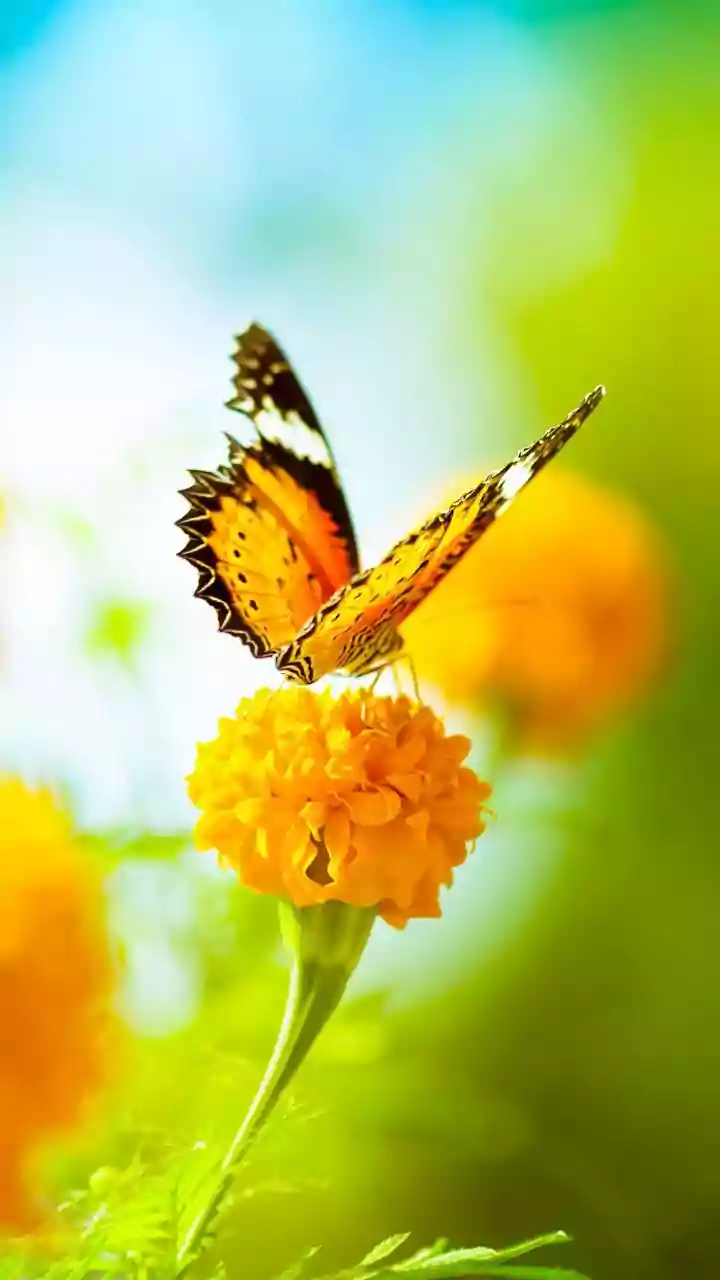
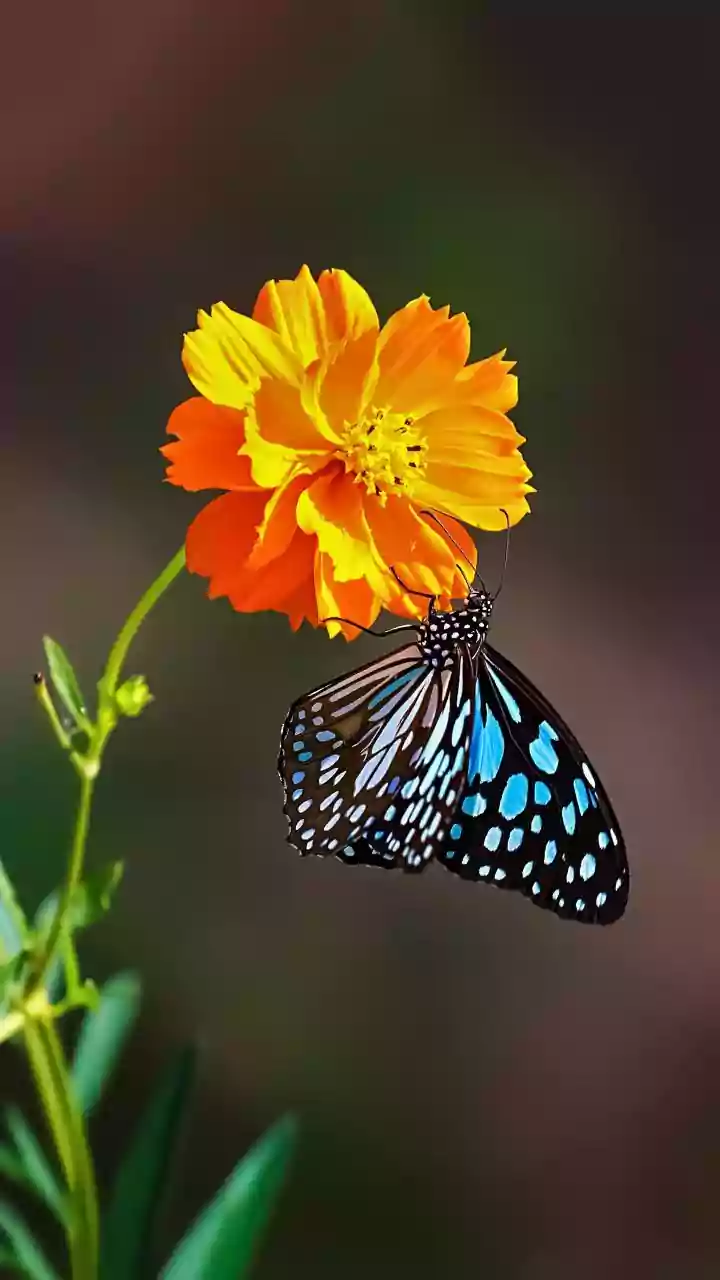
To create a successful garden, planting a mix of native host and nectar plants is key. For nectar, butterflies are drawn to clusters of bright flowers. Good choices for Indian balconies include Lantana, Ixora, Marigold, Pentas, and Hibiscus. For host plants, it depends on the butterfly species you want to attract. The Curry Leaf plant (Murraya koenigii) is a host for the Common Mormon butterfly. Similarly, the Indian Milkweed (Asclepias curassavica) is essential for the beautiful Plain Tiger butterfly. Citrus plants like lemon are hosts for the Lime butterfly. By planting both types, you not only feed visiting butterflies but encourage them to stay and reproduce, turning your garden into a true habitat.