





The First 72 Hours Are Critical
You've just left the salon, and your color is perfect. The first thing to do is… nothing. Professional colorists recommend waiting at least 48 to 72 hours before your first wash. This crucial waiting period allows the hair cuticle, which was opened during
the coloring process, to fully close and lock in the new color molecules. Washing too soon forces that delicate cuticle open again, allowing expensive pigment to rinse away before it has a chance to set. If your hair feels oily during this time, a color-safe dry shampoo can be your best friend.
Wash Wisely with the Right Products
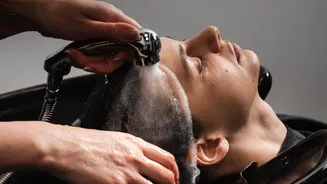
When it's time for that first wash, how you do it matters. Opt for lukewarm or cool water, as hot water can cause the hair cuticle to swell and release color. You should also reduce how often you shampoo to two or three times a week. Over-washing is a primary cause of fading because it strips the hair's natural oils, which are essential for protecting your color. The most important product in your shower is a sulfate-free shampoo. Sulfates are harsh detergents that create a satisfying lather but can also strip color and moisture from your hair. A gentler, sulfate-free formula cleanses without being aggressive, helping to preserve your color's vibrancy.
Deep Condition for Moisture and Shine
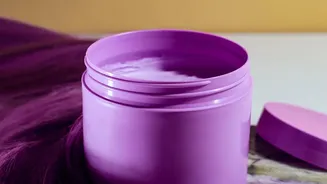
Color-treated hair is often more porous and prone to dryness, which can make it look dull. To combat this, conditioning is non-negotiable. Use a conditioner formulated for colored hair after every wash, and incorporate a deep-conditioning mask into your routine at least once a week. These treatments replenish moisture, help seal the hair cuticle, and restore softness and shine. Look for products with nourishing ingredients like natural oils (argan, jojoba, coconut), keratin, and antioxidants like green tea extract to strengthen hair and protect your color.
Turn Down the Heat
Heat styling is a major culprit behind color fading. High temperatures from blow dryers, flat irons, and curling wands can damage the hair and degrade color molecules. Whenever possible, let your hair air-dry. When you must use heat, always apply a thermal protectant spray first. This creates a barrier between your hair and the tool, minimizing damage. Additionally, try to use your tools on a lower heat setting; experts suggest staying below 175°C for most hair types.
Protect Your Hair from the Elements
Just like your skin, your hair needs protection from the sun. UV rays can bleach and break down hair color, causing it to fade and turn brassy. Wearing a hat is the most effective way to shield your hair during prolonged sun exposure. You can also use a UV-protectant hair spray for an added layer of defense. If you're swimming, take precautions against chlorine and saltwater, which strip moisture and color. Before getting in the water, wet your hair with clean tap water and apply a leave-in conditioner. This helps prevent your hair from absorbing as many harsh chemicals or salt. Rinse your hair with fresh water as soon as you get out of the pool or ocean.