






Why Monsoon Messes With Your Health
While the smell of wet earth and the cool breeze are refreshing, the rainy season can be tough on the body. According to Ayurveda, the increased humidity and cooler temperatures can weaken our digestive fire, or 'agni'. This makes us more susceptible
to issues like bloating, indigestion, and a general feeling of heaviness. Furthermore, the damp environment is an ideal breeding ground for bacteria and viruses, increasing the risk of water-borne diseases, colds, and flu. This is why you might feel your appetite is lower or that your digestion is sluggish. It's the body's natural response to the changing season, signaling a need for a lighter, more considered diet.
The Golden Power of Turmeric (Haldi)
A staple in every Indian kitchen, turmeric becomes even more essential during the monsoon. Its active compound, curcumin, has powerful anti-inflammatory, antiviral, and antibacterial properties. A daily dose can help modulate your immune system, preparing it to fight off the infections that are common this season. A warm glass of 'haldi doodh' (turmeric milk) before bed is a time-tested remedy to soothe your throat and reduce inflammation. For better absorption, always add a pinch of black pepper, which contains piperine, an element that significantly boosts curcumin's effectiveness.
The Zesty Kick of Ginger (Adrak)
Ginger is another kitchen hero that shines during the rains. It is known to stimulate sluggish digestion and soothe an upset stomach, common complaints during this time. Its active compound, gingerol, provides potent antioxidant and anti-inflammatory benefits. Starting your day with a warm cup of ginger tea or adding freshly grated ginger to your soups and curries can help keep your digestive system running smoothly. It’s also a great remedy for the seasonal coughs and colds that the monsoon often brings.
The Pungent Protector: Garlic (Lahsun)
Don't underestimate the power of garlic. It contains allicin, a compound with strong antibacterial and antiviral properties that can help your body fight off germs. Incorporating garlic into your daily cooking—in dals, sabzis, and chutneys—is an easy way to leverage its immune-boosting benefits. For maximum effect, some traditional advice suggests consuming a crushed raw clove in the morning, but simply adding it to your meals provides significant protection against common monsoon illnesses.
Light and Easy: Moong Dal
During a season when heavy foods can tax your digestive system, moong dal emerges as a superfood. It is incredibly light, easy to digest, and packed with protein and essential nutrients like zinc. This makes it the perfect food to nourish your body without overburdening your gut. A simple moong dal khichdi, cooked with a dollop of ghee and spices like cumin and turmeric, is considered the ideal monsoon meal in Ayurveda. It's comforting, nutritious, and perfectly suited for a weaker digestive fire.
Seasonal Gourds for Gut Health
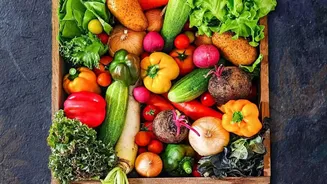
Monsoon brings an abundance of vegetables like bottle gourd (lauki), ridge gourd (turai), and bitter gourd (karela). These vegetables are high in fiber, have high water content, and are very easy to digest, making them perfect for the season. Bitter gourd, in particular, is celebrated for its immunity-boosting properties. Including these cooked vegetables in your diet helps maintain gut health and provides essential vitamins and minerals without being heavy on the stomach.
Vitamin C Powerhouse: Amla
The Indian gooseberry, or amla, is one of nature's most potent sources of Vitamin C, a crucial nutrient for a strong immune system. Vitamin C helps support the production of white blood cells, which are the body's primary line of defense against infections. Consuming fresh amla, amla juice, or even amla powder during the monsoon can significantly strengthen your immunity against seasonal bugs.