







Beyond the Basics of Hot and Cold
We instinctively know that temperature matters for food safety. Cooking kills harmful pathogens, and refrigeration prevents spoilage. But the impact of temperature goes much deeper, into the very structure of the food we eat and how our bodies—and the trillions
of microbes within them—process it. While some traditional medicine systems have long classified foods as 'heating' or 'cooling' based on their energetic properties, modern science is now uncovering the tangible mechanisms behind these ideas. The physical temperature of food can influence the ease and speed of digestion. Warm food, being closer to our core body temperature, requires less energy to break down. Conversely, your body must expend energy to warm up cold foods before digestion can even begin, which can slow the process. For individuals with sensitive digestive systems, this extra step can sometimes contribute to discomfort.
Cooked vs. Raw: A Gut-Level Debate
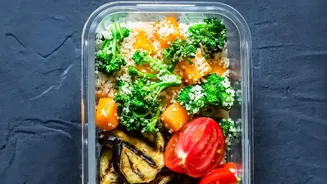
The decision between a crisp raw salad and a bowl of roasted vegetables has implications for your gut bacteria. Cooking does more than just soften food; it alters its molecular structure. Heat helps break down tough plant cell walls and complex molecules, which can make many nutrients more bioavailable and easier for our bodies to absorb. Studies show that the gut microbiomes of people eating cooked versus raw vegetables are noticeably different. Cooking can destroy certain naturally occurring antimicrobial compounds in plants, which might otherwise harm some of our beneficial gut microbes. For example, research on sweet potatoes showed that cooking them led to more significant and different changes in the gut microbiota compared to eating them raw. This suggests our microbiomes may have evolved alongside the human practice of cooking, adapting to the molecular changes that heat creates.
The Metabolic Payoff
The connection between food temperature, gut bacteria, and metabolic health is a powerful one. By feeding your beneficial bacteria with resistant starch from cooled foods, you're not just supporting a healthy gut; you're also influencing your metabolism. Because resistant starch isn't broken down into sugar in the small intestine, it doesn't cause the same spike in blood glucose that freshly cooked starches can. Studies have shown that consuming cooked-and-cooled bread, rice, or potatoes leads to a lower glycemic response. This more stable blood sugar is a cornerstone of good metabolic health. Over time, a diet rich in these prebiotic fibres can lead to better satiety, meaning you feel fuller for longer, and may help support healthy weight management and improved insulin sensitivity.