








A State on High Alert
The Assam government has issued a high alert across several districts as the monsoon intensifies and flash floods in neighbouring Arunachal Pradesh threaten to send a devastating wave of water downstream. [3, 4] According to the India Meteorological Department
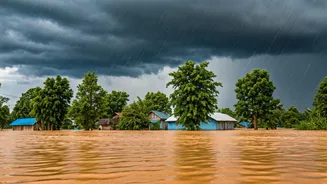
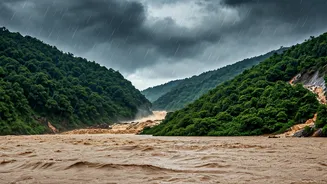
(IMD), heavy rainfall in Arunachal's Lower Subansiri district on June 24 led to a sudden surge in river discharge. [7, 9] This prompted authorities at the Panyor Lower Hydroelectric Project to open a spillway gate to release excess water, an operational measure that signals the sheer volume of water now rushing towards Assam. [7, 12] The first wave of floods has already impacted nearly 14,000 people across seven districts, including Dhemaji, Lakhimpur, Biswanath, and Cachar, affecting 102 villages. [13, 18]
Rivers in Rage
The Brahmaputra, the lifeline of Assam, is once again becoming a source of peril. The Central Water Commission (CWC) reported that the mighty river is on a rising trend from Dibrugarh to Guwahati. [8] On Tuesday, water levels at Dibrugarh and Neamatighat had already crossed the warning mark. [8] The situation is compounded by the swelling of its tributaries. The Disang River is flowing above the danger level at Nanglamoraghat, while the Subansiri and Kopili rivers are also rising. [8] This downstream surge is expected to first hit districts like Dhemaji, Lakhimpur, and Sonitpur before traveling west towards Dhubri over the next two days. [4, 5, 9] In anticipation of dangerous currents, all ferry services in and around Guwahati were suspended as of June 24, including routes connecting the north and south banks and services to the Umananda Temple islet. [15, 21]
The Human Cost
While official casualty figures for this specific surge are still emerging, the impact on daily life is immediate and widespread. Nearly 14,000 people have been affected in the first wave of flooding. [13] In Arunachal Pradesh, the upstream catalyst for this crisis, flash floods have already damaged or washed away numerous houses, with at least five people reported missing. [18] In Assam, relief camps and distribution centres are being established, with two camps in Dhemaji and Lakhimpur already providing shelter to 184 people. [13] The government has advised residents in low-lying and flood-prone areas to remain vigilant and be prepared to move to safer locations. [7, 9] An earlier flood report from June 20 had already noted over 500,000 people affected and a death toll of 21 in the state from prior flooding this season, highlighting the cumulative toll of the extended monsoon. [10]
The Race to Respond
Authorities are scrambling to manage the crisis. Following directives from Chief Minister Himanta Biswa Sarma, the state administration is on maximum alert. [3, 14] Teams from the National Disaster Response Force (NDRF) and State Disaster Response Force (SDRF) have been placed on standby for rapid deployment. [4, 7] Ahead of the monsoon, the Indian Army, Assam Rifles, and NDRF had conducted joint flood relief exercises to strengthen coordination and operational readiness, preparing for scenarios exactly like the one unfolding now. [11, 23] District administrations have been instructed to closely monitor river embankments and vulnerable, low-lying settlements to ensure a timely response as the situation develops. [4]
A Recurring Nightmare, Worsened by Climate
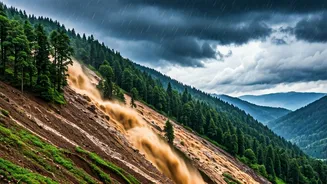
For Assam, flooding is a grim annual reality. However, the intensity and frequency of these events are increasing. The IMD has warned of continued heavy to very heavy rainfall across the Northeast until at least June 25, flagging risks of landslides and riverine flooding. [17] The current crisis was preceded by days of vigorous monsoon activity, with Mawsynram in Meghalaya recording an astonishing 530 mm of rain in 48 hours. [3] This pattern of short, intense bursts of torrential rain is a hallmark of a changing climate, which destabilizes traditional weather patterns. When combined with deforestation and rapid erosion along riverbanks, the result is a region perpetually on edge, where each monsoon brings not just life-giving rain but the ever-present threat of catastrophic loss.