


The Appeal of Shoeless Strides
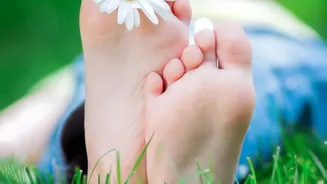
For millennia, humans walked and ran without the aid of cushioned, supportive footwear. The modern barefoot movement suggests we may have lost something in the process. Proponents of barefoot hiking often report a heightened sense of connection to the environment,
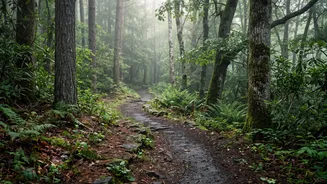
feeling every texture from soft moss to cool mud and sun-warmed rock. This practice, sometimes called 'earthing', is centred on the sensory feedback that traditional hiking boots block. Beyond the mental benefits, there are potential physical advantages. Walking barefoot can help strengthen the intrinsic muscles within the feet and lower legs, which are often underused in conventional shoes. It can also improve your proprioception — your body's awareness of its position in space — leading to better balance and a more natural, responsive gait.
Understand the Obvious Risks
Before you discard your boots, a dose of realism is essential. The modern trail is not the pristine wilderness of our ancestors; it can be littered with sharp objects. The most immediate risks are cuts, scrapes, and puncture wounds from glass, sharp stones, thorns, or stray metal. These injuries carry a secondary risk of infection, particularly from bacteria in the soil or water. Bruises from stepping on hard roots or rocks are also common, as are insect bites or stings. Pushing yourself too far, too soon can also lead to overuse injuries. Your feet, accustomed to the support of shoes, need time to adapt. Attempting a long, strenuous hike without preparation could result in stress fractures or strained tendons as your muscles and bones adjust to new demands.
Your First Barefoot Steps
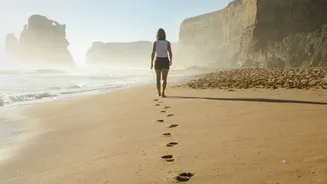
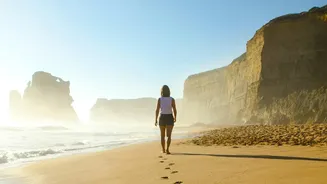
The key to starting is to be slow, deliberate, and humble. Do not begin by tackling a rocky mountain trail. Instead, choose a safe and forgiving surface. A clean, grassy park, a sandy beach, or a well-maintained and familiar dirt path are ideal starting points. Begin with short durations, perhaps just 15 to 20 minutes for your first few outings. Your goal is not to cover distance but to allow your feet to acclimatise. Pay close attention to how your body feels. You will likely notice that your walking style changes automatically. Instead of a hard heel-strike, you may find yourself landing more softly on your midfoot or forefoot, taking shorter, lighter steps. This is a natural adjustment that helps absorb impact without thick cushioning.
Listen Closely to Your Body
Barefoot hiking is a mindful practice. It forces you to be present and aware of your surroundings in a way that stomping along in heavy boots does not. Your eyes must constantly scan the ground ahead, identifying potential hazards before your feet find them. This visual scanning becomes second nature over time. Equally important is listening to the signals from your feet. If you feel a 'hot spot' or sharp pain, stop immediately and inspect the area. Pushing through pain is a recipe for serious injury. The skin on the soles of your feet will gradually toughen over weeks and months, but this process cannot be rushed. Think of it as training. Just as you wouldn't run a marathon without building up your mileage, you shouldn't expect to complete a 10-kilometre barefoot hike on your first try.
A Middle Path: Minimalist Footwear
For many, the ideal approach isn't a stark choice between heavy boots and completely bare skin. Minimalist or 'barefoot' shoes offer a practical compromise. These shoes are designed with a thin, flexible sole and a wide toe box, offering no arch support or heavy cushioning. They provide protection from punctures and abrasions while still allowing your foot to move naturally and receive sensory feedback from the ground. They are an excellent tool for transitioning into full barefoot walking, allowing you to build foot strength and adapt your gait more safely. Many experienced barefoot hikers still carry a pair of minimalist shoes with them, ready to put them on if the terrain becomes too sharp, challenging, or uncomfortable.