


Goodbye Sharp Edges, Hello Soft Curves
The most visible part of this trend is the move away from rigid, boxy furniture. For years, modern design meant sharp angles and straight lines. Now, living rooms are embracing softer silhouettes that feel more inviting. Think sofas with rounded arms,
kidney-shaped coffee tables, and accent chairs with gentle, flowing forms. These pieces, often called 'conversation sofas' for their inclusive shape, break up the monotony of a rectangular room and create a more relaxed visual rhythm. The use of curves isn't just aesthetic; it’s also practical, especially in compact urban apartments, as it can make moving around a space feel more fluid and natural.
A Colour Palette Pulled From the Earth
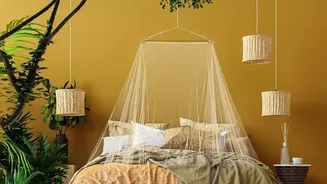
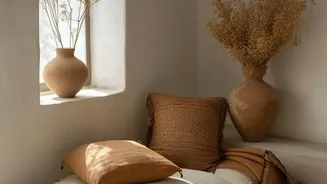
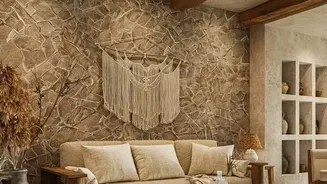
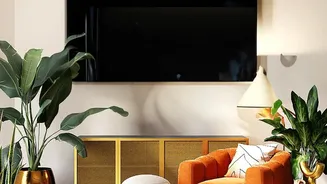
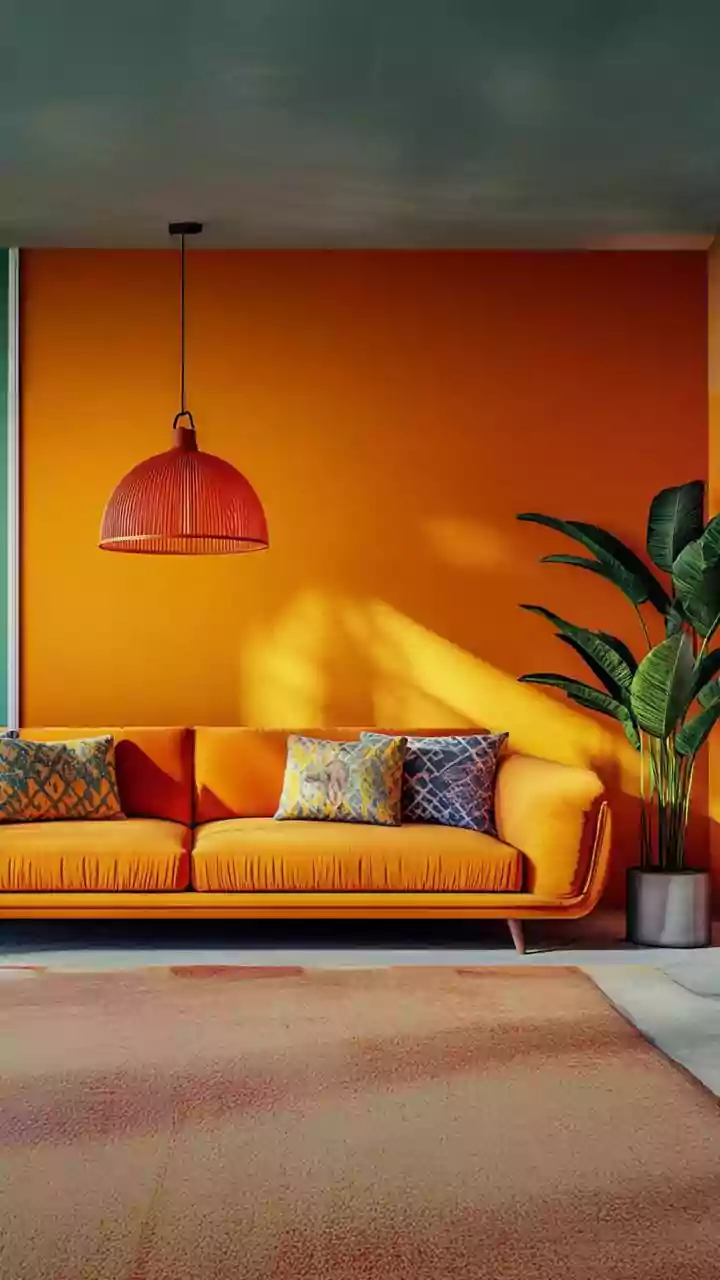
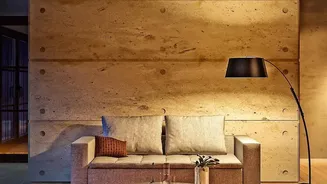
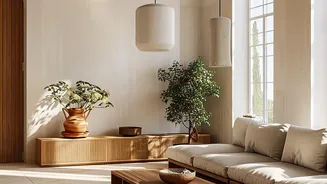
The cool grey and stark white palettes that dominated interiors for the last decade are being replaced by warmer, more grounded colours. The new Indian living room is painted in shades of terracotta, sand, olive green, and warm beige. These earthy tones create a calm and welcoming atmosphere that feels both sophisticated and soothing. This shift is part of a larger movement towards 'warm minimalism', which rejects the cold, clinical feel of earlier minimalist trends for something more human and comfortable. These colours work beautifully in the bright Indian light, adding a natural glow to spaces.
Materials That Connect to Nature
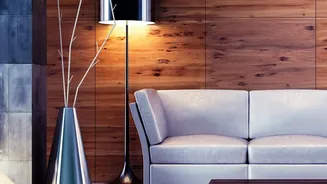
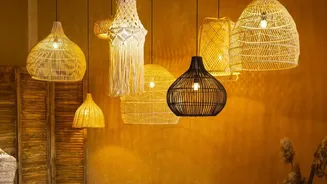
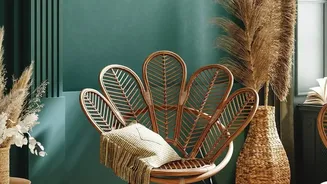
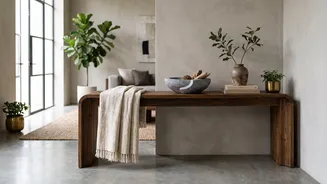
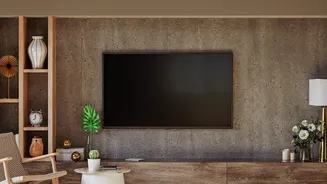
Texture is key to achieving this sense of warmth. The trend champions the use of natural and handcrafted materials that are beautiful to both see and touch. Furniture is increasingly being made from solid woods like teak and mango, often with the natural grain visible. These are paired with other organic materials such as rattan, jute, linen, and stone. On sofas and chairs, highly textured fabrics like bouclé and woven cottons are popular choices. The focus is on materials that feel honest and have an artisanal quality, celebrating the slight imperfections that prove a human hand was involved in their creation.
The Rise of a Calmer Philosophy
This design shift isn't just about looks; it's about a change in lifestyle and priorities. After years of fast-paced urban life, many are seeking to turn their homes into personal sanctuaries—places of rest and rejuvenation. This trend is heavily influenced by the Japandi design philosophy, a hybrid of Japanese wabi-sabi (finding beauty in imperfection) and Scandinavian hygge (a feeling of cozy contentment). The result is a style that is minimal but not cold, and prioritises well-being. It’s about creating spaces that are uncluttered, functional, and deeply comforting.
How to Invite This Trend into Your Home
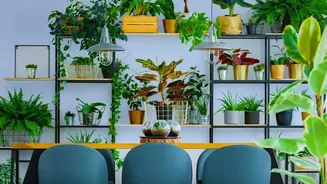
Adopting this style doesn't require a complete overhaul. You can start small. Introduce a single piece of curved furniture, like an oval coffee table or a round mirror, to soften the lines in your living room. Swap out cool-toned cushion covers and throws for ones in earthy shades like terracotta or sage green. A jute rug can instantly add texture and warmth to your flooring. Focus on bringing in natural elements, whether it's a piece of wooden decor, a ceramic vase, or a few indoor plants. The goal is to layer these elements to create a space that feels personal, comfortable, and connected to the natural world.