





What Exactly Is This 'Magic' Wash?
At its heart, a fermented fruit peel wash—often called a bio-enzyme or garbage enzyme—is a nutrient-rich liquid created by fermenting fresh kitchen scraps. This isn't a new, trendy product you buy in a fancy bottle. It's a traditional, sustainable practice,
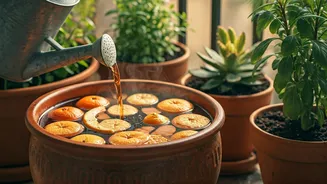
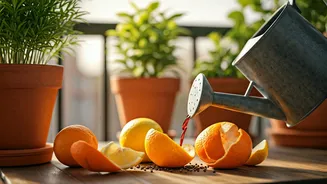
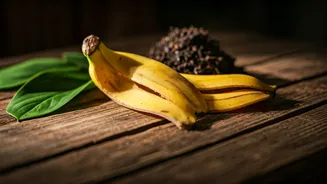
common in many parts of Asia, that puts your kitchen waste to work. By combining fruit peels (like banana, citrus, and mango), a sugar source (like jaggery or brown sugar), and water in an airtight container, you kickstart a natural fermentation process. Over several weeks, beneficial microorganisms break down the organic matter, transforming it into a potent, vitamin-packed liquid fertilizer and soil conditioner.
The Simple Science Behind It
You don't need a chemistry degree to understand why this works so well. The process is powered by enzymes. When you add jaggery, it feeds the naturally occurring bacteria and yeasts present on the fruit peels. As these microorganisms multiply, they produce enzymes that act like tiny scissors, chopping up complex organic compounds in the peels into simpler, smaller nutrients. The result is a liquid full of nitrogen, phosphorus, potassium, and micronutrients that are 'bio-available'—meaning they are in a form that plants can easily absorb. The fermentation process also creates organic acids, which lowers the pH of the solution. This slightly acidic nature can help improve nutrient uptake from the soil and create an environment that is less welcoming to common garden pests and fungal diseases.
Your Step-by-Step DIY Guide
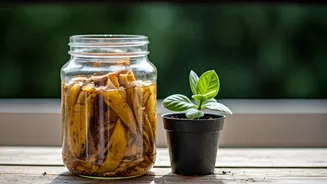
Making your own fermented fruit peel wash is incredibly simple and requires more patience than skill. Here’s what you’ll need: * **A large plastic bottle or jar:** A 2-litre soft drink bottle is perfect, as its flexible sides can handle gas buildup. * **Kitchen Scraps:** Citrus peels (orange, lemon), banana peels, and pineapple skins are excellent. Avoid cooked, oily, or mouldy scraps. * **Jaggery (Gur) or Brown Sugar:** This is the fuel for fermentation. * **Water:** Regular tap water is fine. **The Golden Ratio (1:3:10):** For every 1 part of jaggery, use 3 parts of fruit peels, and 10 parts of water. For example: * 100g of jaggery * 300g of chopped fruit peels * 1 litre of water **Instructions:** 1. Chop the fruit peels into small pieces to increase the surface area for fermentation. 2. Add the jaggery and water to your plastic bottle and mix until the sugar is mostly dissolved. 3. Add the chopped fruit peels. Make sure to leave about 20% of empty space at the top for gases. 4. Screw the cap on tightly and give it a good shake. Store it in a cool, dark place. 5. For the first month, open the cap slowly every day to release the built-up gas (you'll hear a fizz). After the first month, you can release the gas every few days. 6. Let it ferment for at least 3 months. The liquid is ready when it has a sweet, vinegary smell and the fruit scraps have sunk to the bottom. Don't worry if you see a white layer of yeast on top; it's a normal part of the process.
How to Use Your Liquid Gold
Once your fermented wash is ready, strain the liquid into a clean bottle. The leftover pulp can be composted or blended and dug into the soil as a rich organic fertilizer. The liquid itself is highly concentrated and must be diluted before use. * **For Foliar Spray:** Mix 1 part of the enzyme liquid with 500 parts of water (e.g., 2ml of enzyme in 1 litre of water). Spray it on the leaves of your plants in the early morning or late evening to avoid leaf burn. This can help deter pests like aphids and mealybugs. * **For Watering Plants:** Use a slightly stronger solution. Mix 1 part enzyme with 200 parts water (e.g., 5ml of enzyme in 1 litre of water). Use this solution to water your plants once every two weeks. It enriches the soil, strengthens roots, and promotes healthier growth in everything from flowering plants like roses and hibiscus to vegetables like tomatoes and chillies.
More Than Just Plant Food
Experienced gardeners love this method not just for the vibrant plants it produces, but for its wider benefits. It dramatically reduces the amount of organic waste going to landfills, which is a major contributor to methane gas emissions. It eliminates the need for expensive and potentially harmful chemical fertilizers, making your balcony or terrace garden truly organic and safe. It’s a closed-loop system in your own home—turning 'waste' from your kitchen into 'wealth' for your garden.