




Why Banana Peels for Jasmine?
The secret to using banana peels in your garden lies in their nutrient profile. As they decompose, banana peels release valuable minerals into the soil or water. The most significant of these is potassium, a macronutrient that is absolutely vital for
flowering and fruiting plants. For jasmine, potassium plays a crucial role in several functions: it helps regulate the plant's water uptake, strengthens cell walls, and, most importantly, encourages the development of abundant, fragrant flowers. Think of it as the nutrient that signals to the plant, 'It's time to bloom!' Peels also contain smaller amounts of phosphorus, which supports root development, and magnesium, which is essential for photosynthesis. By making banana peel water, you are creating a liquid fertiliser rich in the very elements your jasmine needs to thrive.
How to Make Banana Peel 'Tea'
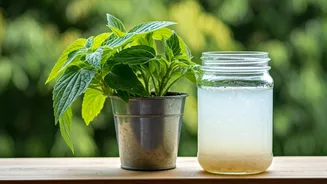
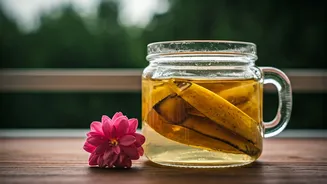
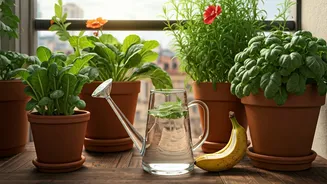
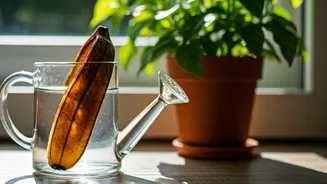
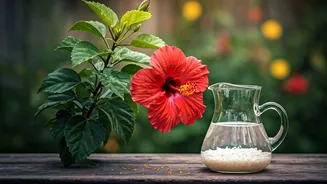
Creating this liquid gold for your plants is incredibly simple, but the method matters. The safest and most effective technique is the soaking method, which avoids the risks of pests and mould associated with burying peels directly in the pot. Here’s a step-by-step guide: 1. **Collect Your Peels:** Use fresh peels from 2-3 ripe bananas. Avoid using peels that are old, mouldy, or come from bananas with stickers still on them. 2. **Find a Container:** Take a clean glass jar or bottle with a lid. A one-litre jar works perfectly. 3. **Soak the Peels:** Chop the banana peels into smaller pieces—this increases the surface area and helps them release nutrients more quickly. Place the chopped peels into the jar. 4. **Add Water:** Fill the jar with clean, room-temperature water, ensuring the peels are fully submerged. 5. **Seal and Wait:** Screw the lid on the jar and let it sit in a cool, dark place for 24 to 48 hours. Don't let it sit for more than three days, as it can start to ferment and smell unpleasant, potentially attracting fruit flies.
The Golden Rule: Dilution is Key
After a day or two, you will notice the water has turned a light yellowish or brownish colour. This is your concentrated banana peel 'tea'. Do not pour this liquid directly onto your jasmine plant. It is far too potent and can shock the plant's roots or create a damp, sugary environment that encourages fungal growth and pests. Dilution is non-negotiable for the health and safety of your plant. A good, safe ratio to follow is 1:4. This means for every one part of your strained banana peel water, you should add four parts of fresh, plain water. For example, if you have one cup of the banana peel liquid, mix it with four cups of regular water before applying it to your plant. This ensures the nutrients are delivered in a gentle, easily absorbable form.
When and How to Water Your Jasmine
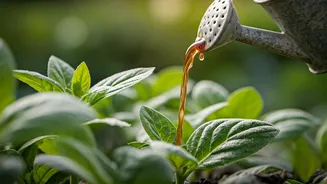
With your diluted banana peel water ready, it's time to feed your jasmine. The best time to apply any liquid fertiliser is during your plant's regular watering schedule. Pour the diluted mixture slowly and evenly over the soil at the base of the plant, just as you would with normal water. Ensure the soil is evenly moistened but not waterlogged. The frequency of application is just as important as the dilution. This is a supplement, not a replacement for water. During jasmine's active growing and flowering season (typically spring and summer), you can use this diluted banana peel water once every two to three weeks. In the dormant winter months, reduce feeding to once a month or stop entirely, as the plant's nutritional needs are much lower.
Common Mistakes to Avoid
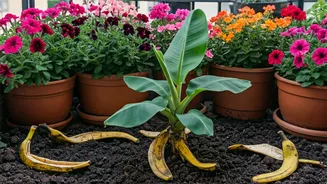
While this is a fantastic natural hack, a few common mistakes can do more harm than good. First, avoid using it as a cure-all. If your jasmine plant is suffering from a pest infestation, disease, or poor lighting, banana peel water won't fix the root cause. Second, never just toss whole peels on top of the soil. This is an open invitation for pests like fungus gnats and can lead to mould. Finally, remember that balance is everything. Banana peel water is high in potassium but lacks significant nitrogen, which is needed for leafy growth. Relying on it exclusively can lead to a nutrient imbalance over time. It's best used as part of a holistic care routine that includes good quality potting soil, adequate sunlight, and proper watering.